Environmental storytelling is one of the most powerful tools in science fiction and fantasy. Instead of relying solely on dialogue or exposition, creators use landscapes, architecture, ecosystems, and worldbuilding details to reveal history, culture, conflict, and emotion. Whether it’s a futuristic city bathed in neon glow or an ancient forest filled with forgotten magic, the environment becomes an active part of the narrative—shaping the way audiences experience the story.
Worlds That Speak Without Words
In sci-fi and fantasy, settings are more than backgrounds—they communicate meaning. A deserted wasteland tells a story of collapse or war. A vibrant alien jungle hints at biodiversity, danger, or thriving civilizations. Through visual cues like ruins, symbols, weather patterns, or technology, the environment reflects the world’s past and foreshadows what’s to come. These elements immerse readers and viewers into a reality where every detail carries narrative weight.
Culture and Civilization Through Design
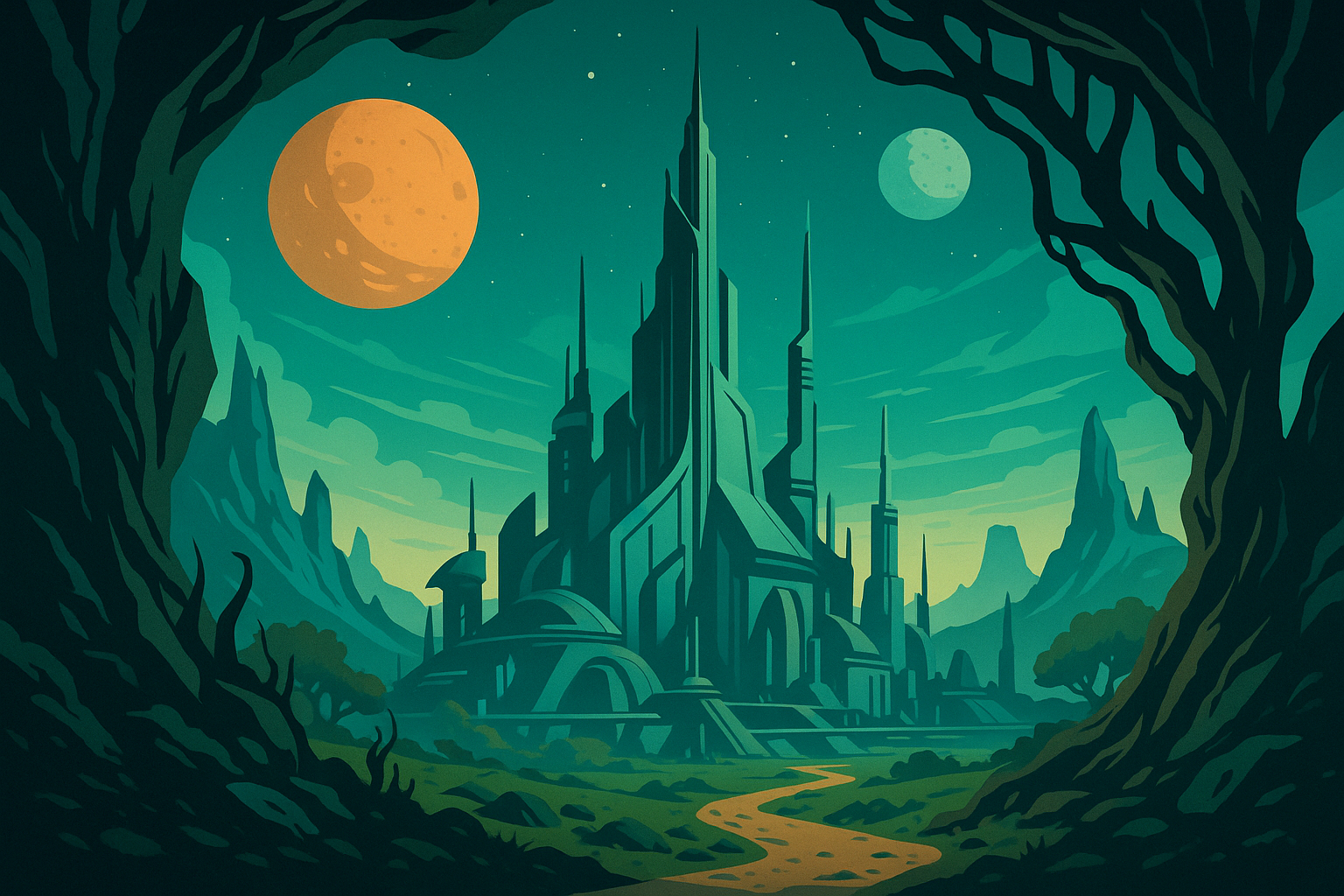
Architecture and design play a major role in environmental storytelling. The materials, shapes, and structures of cities reveal the values of the societies living in them. Sleek, efficient towers may signal a technologically advanced society, while sprawling stone temples suggest ancient traditions or mystical power. In fantasy worlds, props like enchanted runes or relics reveal cultural history; in sci-fi worlds, robotics or holograms hint at future innovation and societal priorities.
Emotion Through Atmosphere
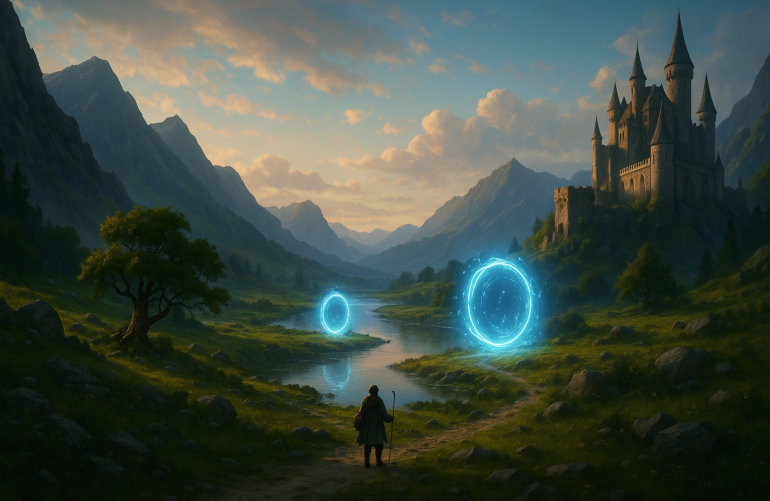
Environments can evoke emotion just as strongly as characters. The soft luminescence of an alien moon, the eerie calm of an abandoned space station, or the golden light filtering through enchanted woods can shift the tone instantly. These atmospheres pull audiences deeper into the story’s emotional landscape, helping them feel tension, awe, comfort, or fear before a single line is spoken.
The Role of Nature and Technology
Sci-fi often explores how humanity interacts with advanced technology, while fantasy centers on the relationship between individuals and nature or magic. Environments reflect these themes—lush forests may symbolize untamed magic, while sprawling cyber-cities represent innovation and ambition. By balancing nature and technology, creators show the evolution of societies and the challenges they face.
Conclusion
Environmental storytelling enriches sci-fi and fantasy by transforming settings into narrative forces. It guides the audience’s imagination, reveals hidden stories, and deepens emotional engagement. When worlds speak through their landscapes, architecture, and atmosphere, they create unforgettable universes where every corner hints at a larger story waiting to be explored.