Fantasy literature has long been a portal into the impossible — realms of dragons, magic, and epic quests. Yet beneath these imaginative settings lies something profoundly real: commentary on the world we live in. From politics and power struggles to race, gender, and the environment, fantasy often mirrors the complexities of human society, using myth and metaphor to help readers confront uncomfortable truths.
Power, Corruption, and the Fight for Justice
At its core, fantasy frequently explores the struggle for power — a reflection of real-world political systems.
-
In The Lord of the Rings, J.R.R. Tolkien examines how absolute power can corrupt, symbolized by the One Ring.
-
George R.R. Martin’s A Song of Ice and Fire delves into the chaos of political ambition, questioning morality and leadership in times of conflict.
Through these worlds, readers gain perspective on themes like authoritarianism, resistance, and the cost of freedom — issues that remain relevant across centuries.
The Role of Gender and Power
Modern fantasy increasingly challenges traditional gender roles. Earlier stories often featured male heroes and damsels in distress, but today’s narratives celebrate complex female protagonists and gender-fluid characters.
Series like The Witcher and A Court of Thorns and Roses reimagine strength, vulnerability, and leadership beyond stereotypes, reflecting broader conversations about gender equality and empowerment.
Environmental and Ethical Themes
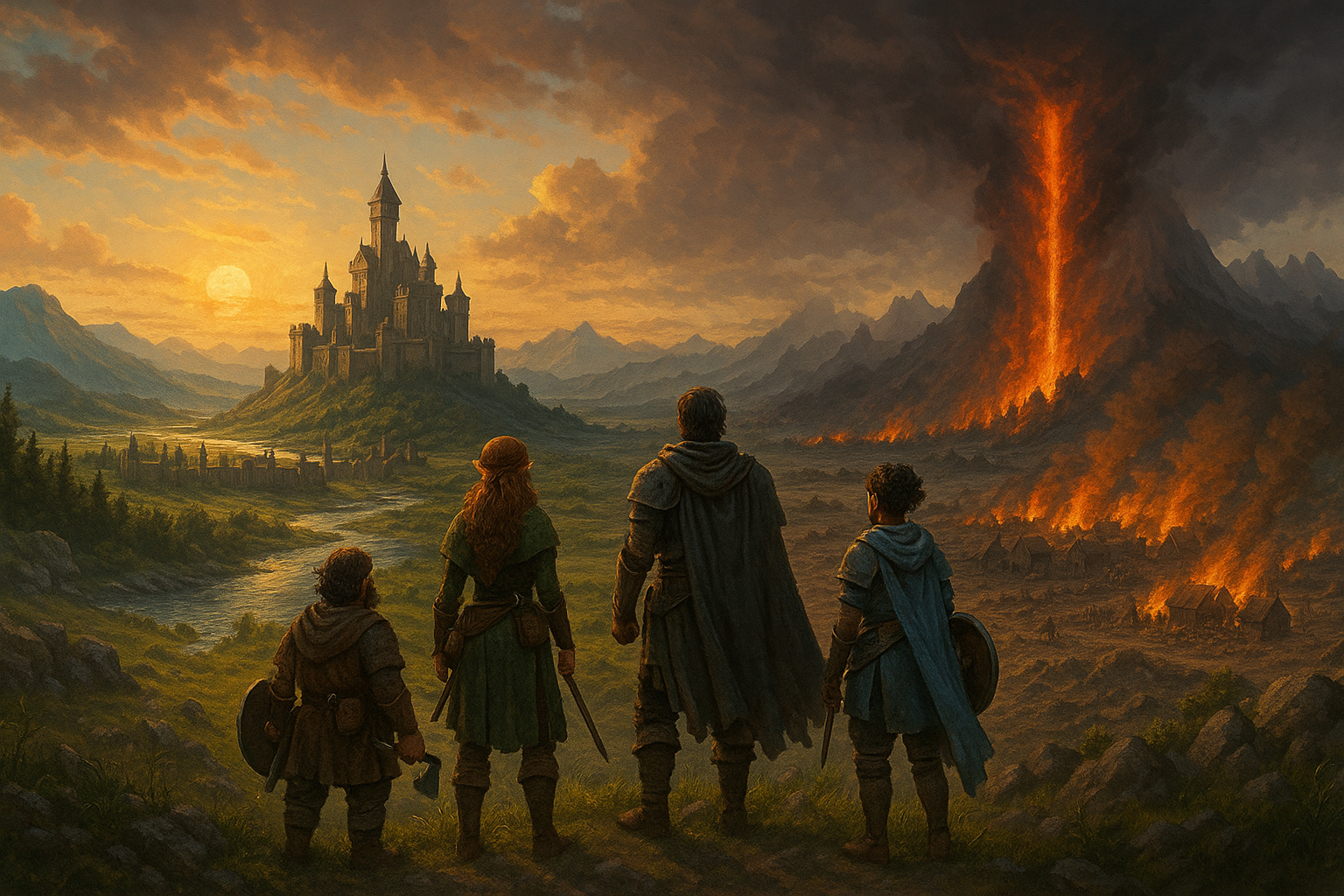
Many fantasy worlds are shaped by the tension between civilization and nature. The destruction of magical forests, the greed for natural resources, or the decay of once-vibrant lands mirror our planet’s ongoing environmental crises.
Tolkien’s industrialized Isengard or the poisoned landscapes of The Broken Earth trilogy remind readers of the consequences of environmental neglect and exploitation.
Escapism with Purpose
While fantasy offers an escape, it also provides perspective. Readers can safely explore moral dilemmas — such as the cost of war, the nature of evil, or the burden of destiny — within the safety of fictional settings. These stories allow us to question societal norms, challenge injustice, and imagine better futures.
Conclusion
Fantasy may be built on imagination, but its foundation is reality. By reflecting human struggles through myth and magic, these stories help us understand ourselves and the world around us. In the end, the best fantasy doesn’t just transport us elsewhere — it brings us back wiser, more empathetic, and more aware of the power of human choice.