From ancient legends to blockbuster films, mythical creatures have always stirred our imagination. Dragons, unicorns, mermaids, and vampires may seem like relics of the past, yet they continue to thrive in modern books, movies, and online culture. Why do these fantastical beings still hold power over us? The answer lies in their ability to embody timeless human hopes, fears, and mysteries.
1. Ancient Myths, Modern Meanings
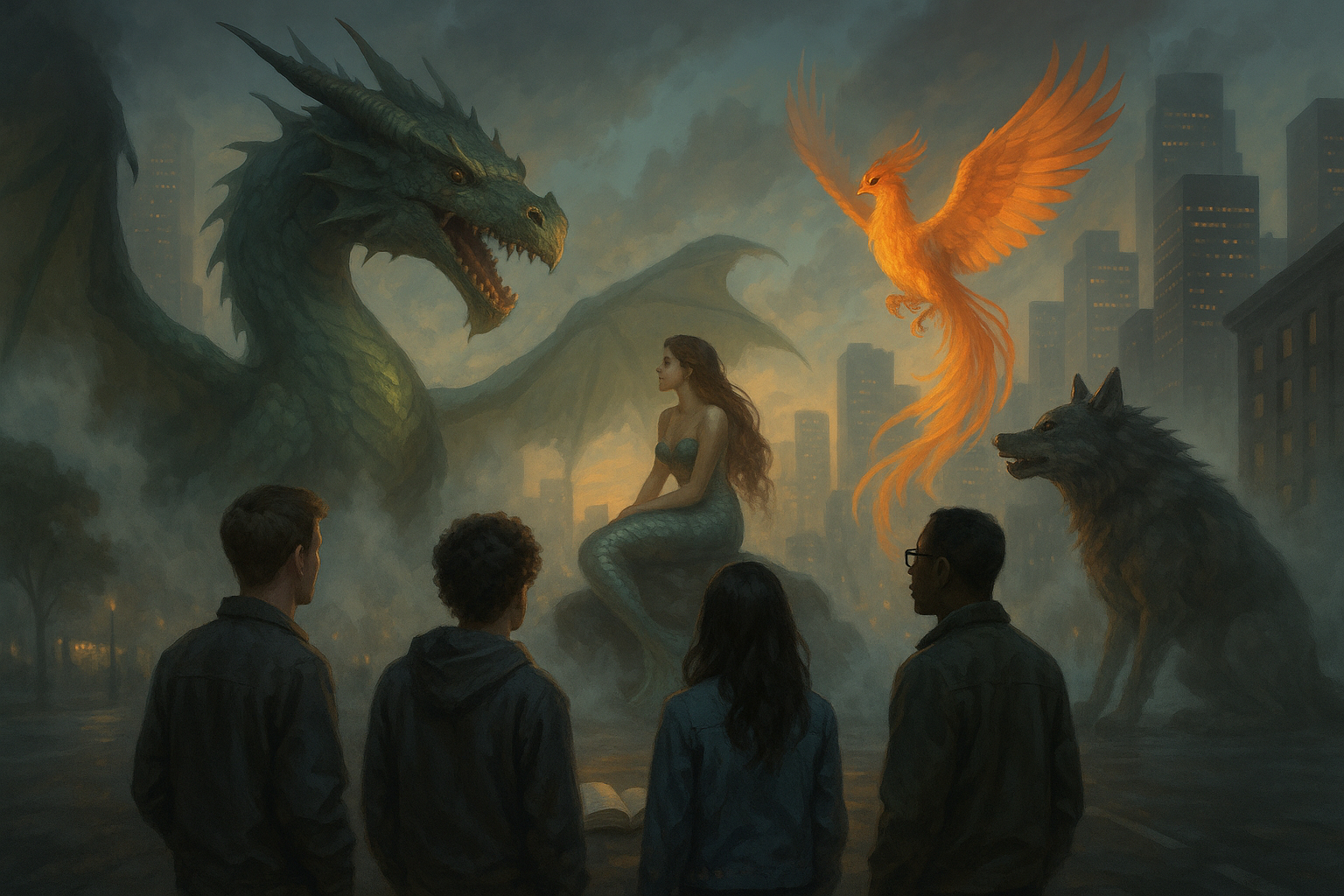
Every culture has its mythical beings—symbols that once explained the unknown. Dragons represented strength and chaos; mermaids warned sailors of danger; werewolves mirrored the battle between civilization and instinct.
Today, these same myths have evolved to reflect new anxieties. Modern dragons might symbolize greed or ambition, while vampires explore themes of desire and immortality. By reinventing these creatures, society reinterprets its values through familiar, magical metaphors.
2. The Psychology of Belief and Wonder
Humans are wired for storytelling. Myths and legends give shape to the inexplicable, providing comfort in uncertainty. Even in an age of science, we crave mystery—the possibility that something extraordinary still hides beyond our understanding.
Fantasy allows us to suspend disbelief, offering escape and meaning. Whether it’s Hogwarts’ mythical beasts or cinematic dragons, these creatures remind us that imagination is an essential part of being human.
3. Technology and the Revival of Myth
Ironically, technology has made myths more alive than ever. Visual effects, video games, and virtual reality breathe new life into ancient legends. Creatures once confined to folklore now appear in immersive worlds, making belief a shared digital experience.
Online communities also keep myth alive—fans trade theories, reinterpret folklore, and create modern versions of old stories that blend fantasy with realism.
4. What Mythical Creatures Reveal About Us
Ultimately, these beings reflect the world we live in. The phoenix symbolizes renewal in times of crisis. The mermaid challenges identity and transformation. Even monsters represent the parts of ourselves we fear or don’t understand.
By believing in mythical creatures, we’re not escaping reality—we’re exploring it from new angles. They mirror our deepest desires and collective struggles, making them timeless companions in the human story.
Conclusion
Mythical creatures endure because they evolve with us. Whether ancient or digital, they continue to express our need for wonder, meaning, and self-reflection. As long as humans dream, imagine, and tell stories, dragons will soar, mermaids will sing, and myths will never die.