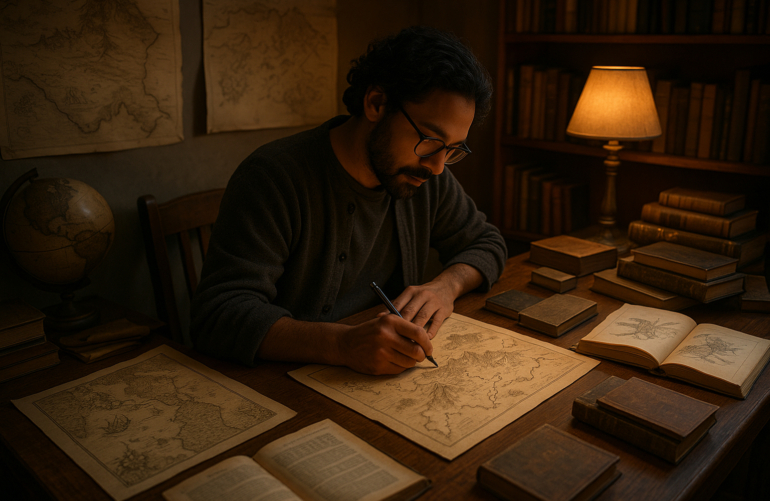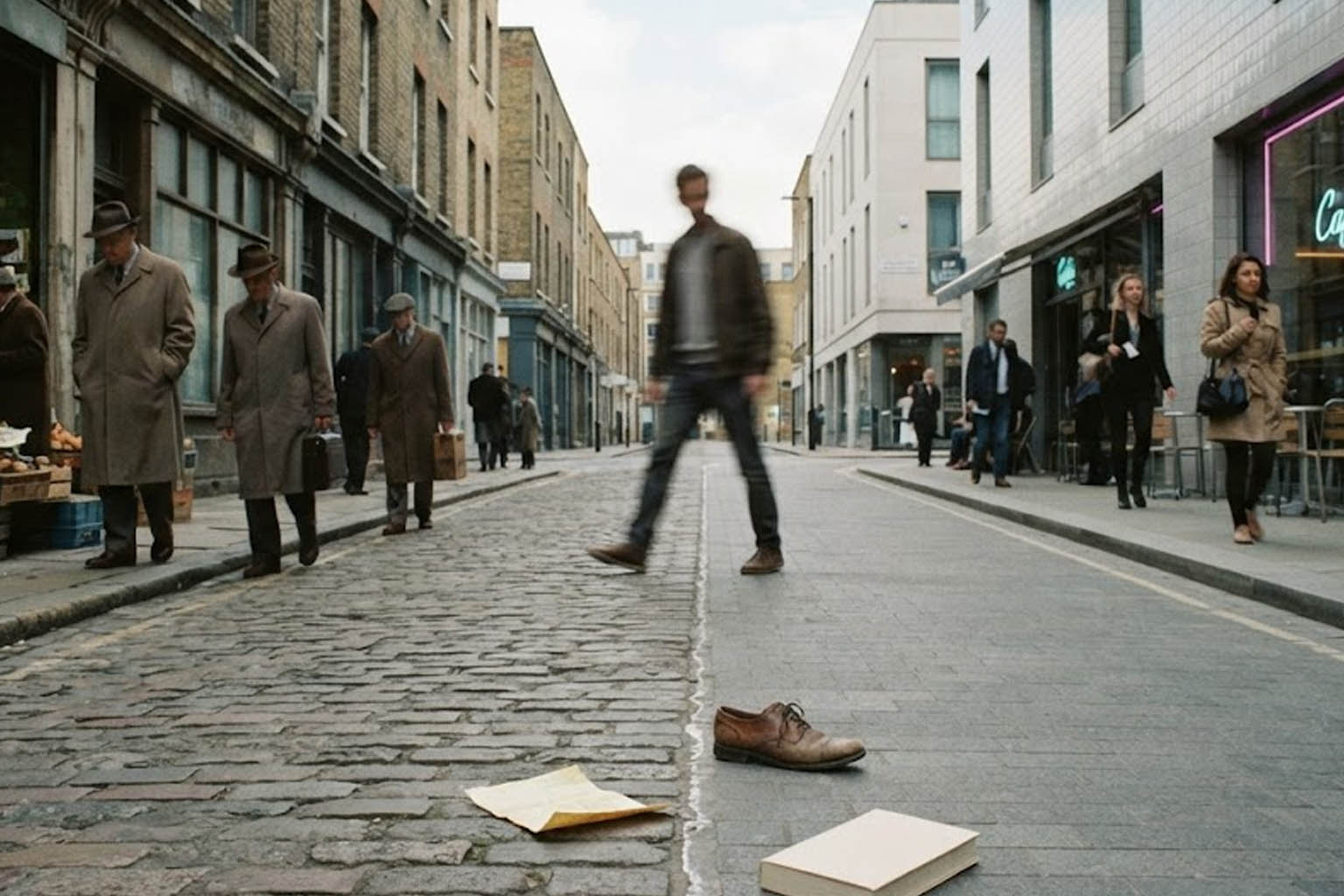
Some speculative fiction feels loud and vast: interstellar war, world-spanning magic, civilizations collapsing. These five books take the opposite tack. Each crafts a distinctive, focused setting — a ship’s cramped corridors, a single mysterious stretch of coastline, cities that share the same pavement — and lets character and atmosphere do the heavy lifting. If you want worlds that linger because they feel lived-in, intimate, and a little uncanny, start here.
The Long Way to a Small, Angry Planet — Becky Chambers
Set mostly aboard the tunneling ship Wayfarer, Chambers’ novel is an ensemble character study dressed as space opera. The world-building arrives in small, human touches: a shared kitchen, cultural rituals among alien crewmates, and the way long trips reshape friendships. It’s hopeful without being saccharine, and its quiet scenes of everyday life on a spaceship make the setting feel like a character.
Station Eleven — Emily St. John Mandel
Rather than focusing on large-scale survival mechanics, Mandel orbits a handful of people connected by an actor, a graphic novel, and a traveling Shakespeare troupe. The world after a pandemic is sketched through fleeting domestic details — a town’s abandoned airport, a rehearsed play under a dim light — which gives the post-apocalyptic landscape a strangely gentle, elegiac quality.
Annihilation — Jeff VanderMeer
VanderMeer’s Area X is claustrophobic and mysterious in the best way: it’s less about explaining the anomaly and more about how it feels to be inside it. The prose is sensory and specific — marshlands, strange flora, and the tense official expedition log — creating a singular, unsettling place that sticks with you long after the book ends. (Minor spoiler: the novel preserves many of its mysteries on purpose.)
The City & The City — China Miéville
Miéville builds a detective story on top of a stranger conceit: two cities coexist occupying the same physical space, maintained by habit and legal consequence. The world’s rules — the ritualized ignoring of the neighboring city’s people — are treated like urban architecture. It’s an ingenious setting that reframes crime fiction into a meditation on perception and boundaries.
The Ocean at the End of the Lane — Neil Gaiman
Gaiman compresses mythic strangeness into a suburban childhood: a farmhouse, a pond, a handful of unassuming neighbors who are not what they seem. The novel’s power comes from how ordinary details — a kitchen table, a bike ride — sit beside the uncanny. It reads like a fairy tale that remembered how small wonder can be, and how frightening.
Conclusion
Each of these novels proves that a memorable speculative world doesn’t need to be vast to be immersive. Look for books where setting is woven into daily life: that’s often where the most surprising discoveries hide.