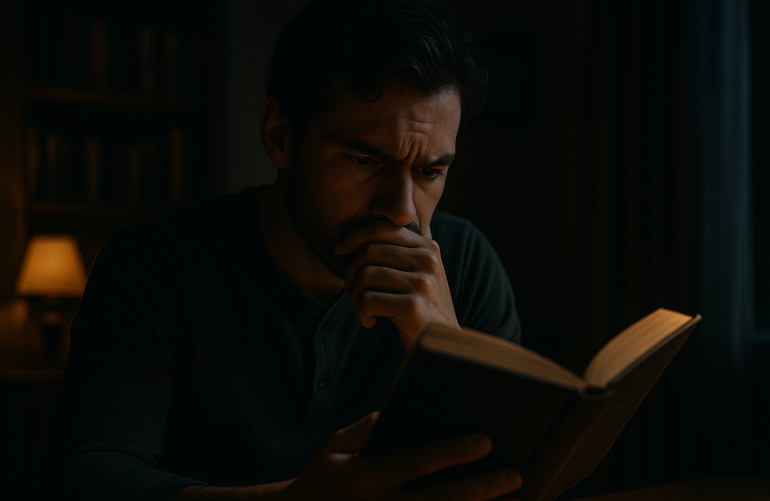
In fiction, setting is more than just a backdrop—it’s an emotional force that shapes how readers feel. The atmosphere of a story can amplify tension, spark curiosity, and make every twist more gripping. When crafted with care, the setting becomes a silent character that whispers danger, dread, or mystery into every scene.
The Power of Mood and Environment
Atmosphere works through sensory detail—sight, sound, touch, even smell. A creaking floorboard, a flickering streetlight, or a distant howl in the dark can trigger unease before a single word of dialogue is spoken. By appealing to readers’ senses, authors can immerse them in a world that feels alive and unpredictable.
Common Suspenseful Settings
Some environments naturally lend themselves to suspense:
-
Foggy streets: Obscured vision builds uncertainty.
-
Abandoned houses: The isolation and decay evoke fear.
-
Stormy nights: Nature mirrors emotional chaos.
-
Desolate cities: The emptiness emphasizes vulnerability.
These settings are powerful because they manipulate what readers expect and fear, setting the stage for psychological tension.
Contrast and Subtlety
The most chilling settings often hide menace beneath calm. A brightly lit café with a stranger watching too closely can feel more unsettling than a haunted house. The key is contrast—placing danger in familiar or safe environments to unsettle the reader’s sense of security.
Building Emotion Through Setting
The environment should evolve with the story. As stakes rise, the setting can shift to reflect emotional pressure—a sunny morning can darken into a storm as the protagonist’s fear intensifies. This dynamic connection between place and emotion deepens immersion and drives suspense organically.
Conclusion
Atmospheric settings are the heartbeat of suspense. Through careful detail and emotional contrast, writers can turn simple locations into unforgettable stages for tension and fear. When atmosphere is mastered, readers don’t just watch the story unfold—they feel it creeping closer with every word.