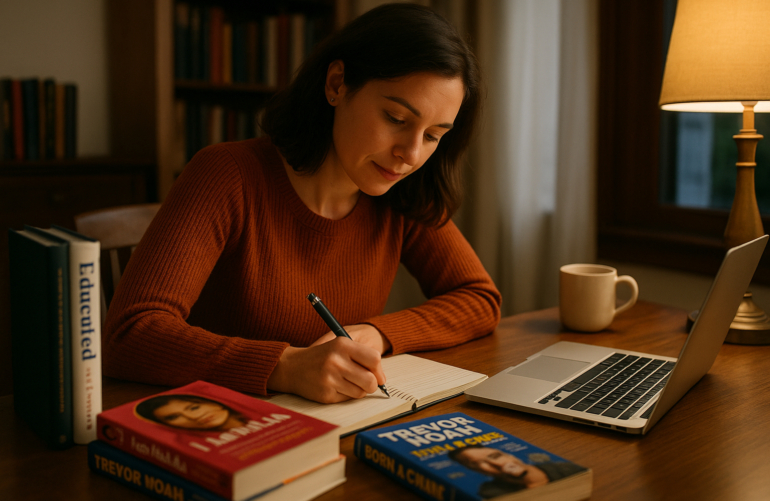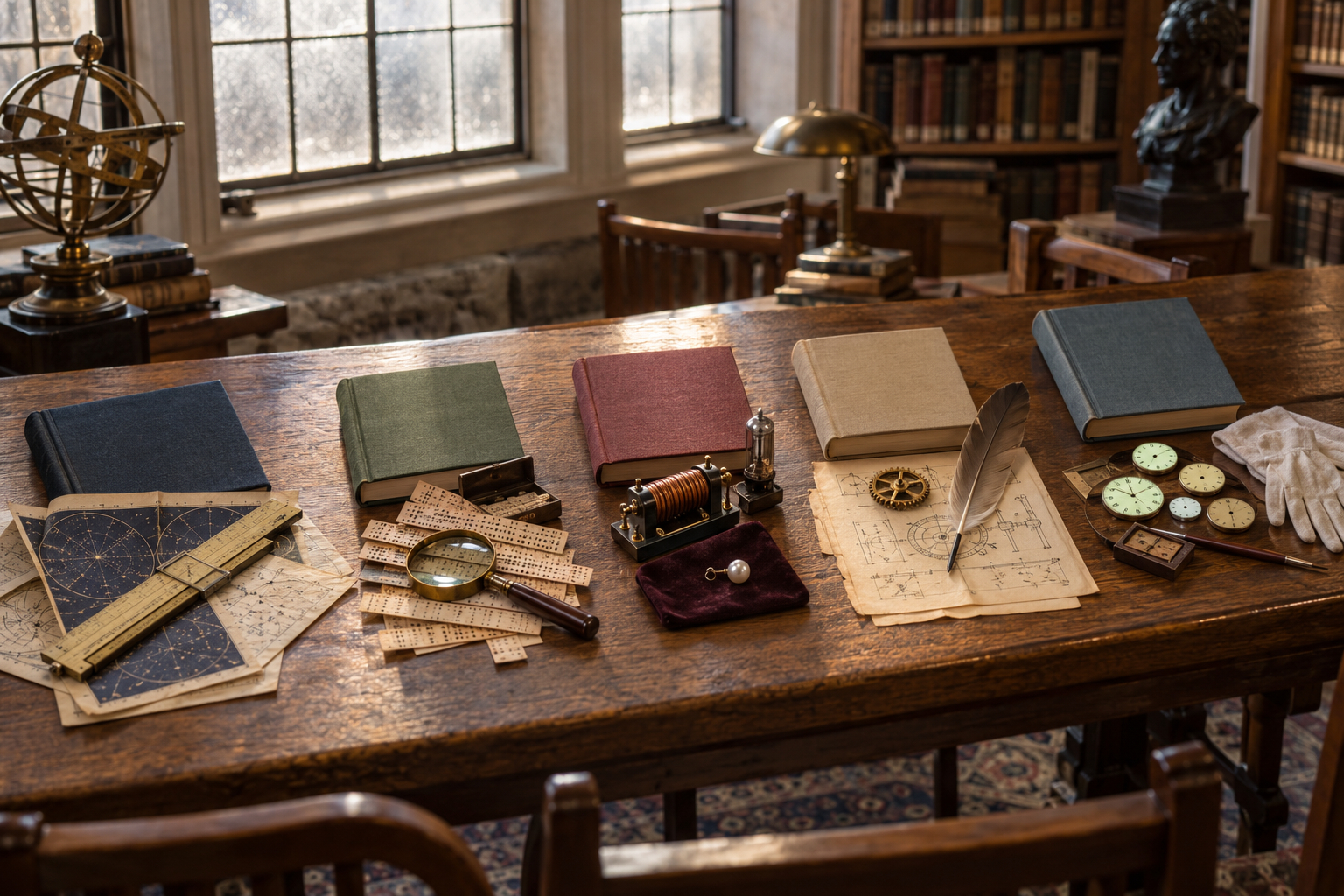
There’s a particular satisfaction in reading well-told nonfiction that brings a single life — or a group of lives — into crisp focus. These five books spotlight women whose curiosity, persistence, and stubborn intelligence moved science, technology, and public health forward. Some names will be familiar; others deserve a moment of recognition. Each book pairs rigorous research with lively storytelling, perfect for anyone who enjoys history with a clear human center.
Hidden Figures — Margot Lee Shetterly
Shetterly traces the careers of the Black women mathematicians at NASA and its predecessor agencies who provided the calculations that helped send astronauts into orbit. The narrative balances technical achievement with social context: workplace segregation, family life, and the pressures of the Cold War. It’s useful reading for anyone curious about the human side of big engineering feats.
The Woman Who Smashed Codes — Jason Fagone
This biography revives Elizebeth Smith Friedman, a pioneer cryptanalyst whose work helped bust smugglers and counter enemy espionage. Fagone presents both the thrill of codebreaking and the stark fact that her role was obscured by classification and later by history. The book reads like a true-life spy thriller but always stays grounded in documents and courtroom drama.
Hedy’s Folly — Richard Rhodes
Part biography, part technological detective story, Rhodes follows Hedy Lamarr from Hollywood glamour to her inventions in frequency-hopping communication. Lamarr’s story resists easy caricature: she was both a public figure and an inventive thinker whose ideas anticipated later wireless technologies. The book is rich in period detail and in the tension between fame and scientific contribution.
Ada’s Algorithm — James Essinger
Essinger introduces readers to Ada Lovelace, the 19th-century thinker whose notes about Charles Babbage’s Analytical Engine include what’s often called the first computer algorithm. The author places Ada’s insights in the context of her life — her famously complicated family history and the scientific circles she moved in — while making early computing accessible to general readers.
The Radium Girls — Kate Moore
Moore tells the wrenching story of factory women who painted watch dials with luminous paint and suffered deadly radium poisoning as a result. Their fight for recognition and compensation reshaped labor law and public health awareness. The book is both a social history and a courtroom saga, and it shows how scientific ignorance and corporate interests collided with individual courage.
Conclusion
These five books offer different entry points into how women shaped scientific and technological history — through calculation, codebreaking, invention, theoretical insight, and collective action. Pick one that matches your mood and expect a satisfying mix of biography, science, and lived experience.