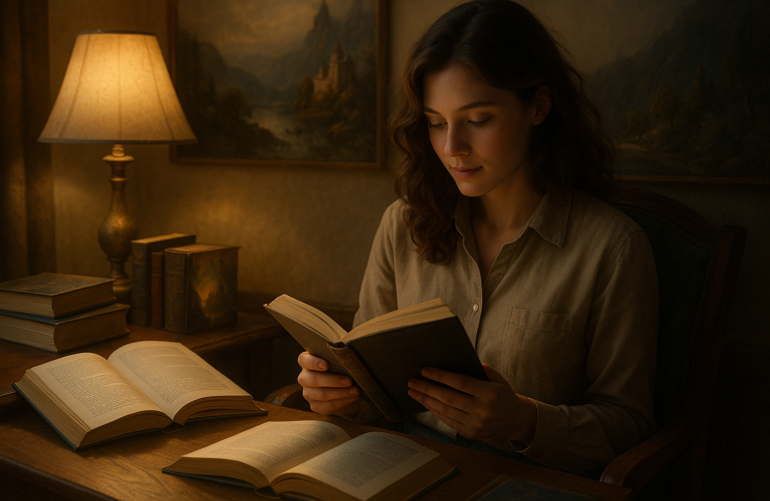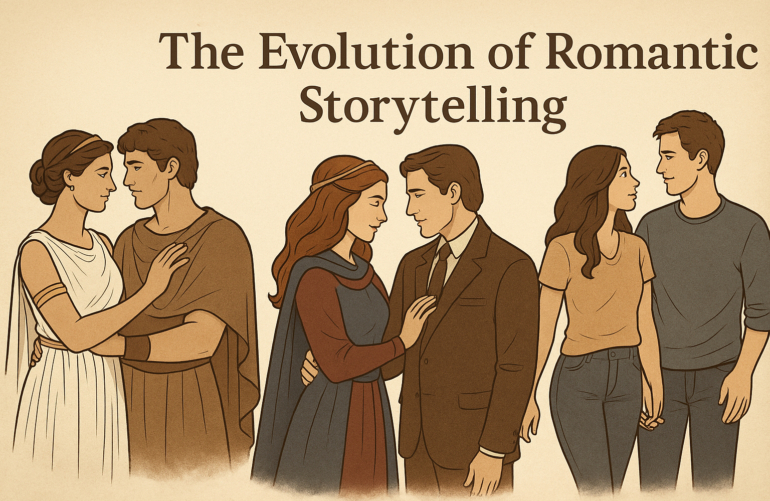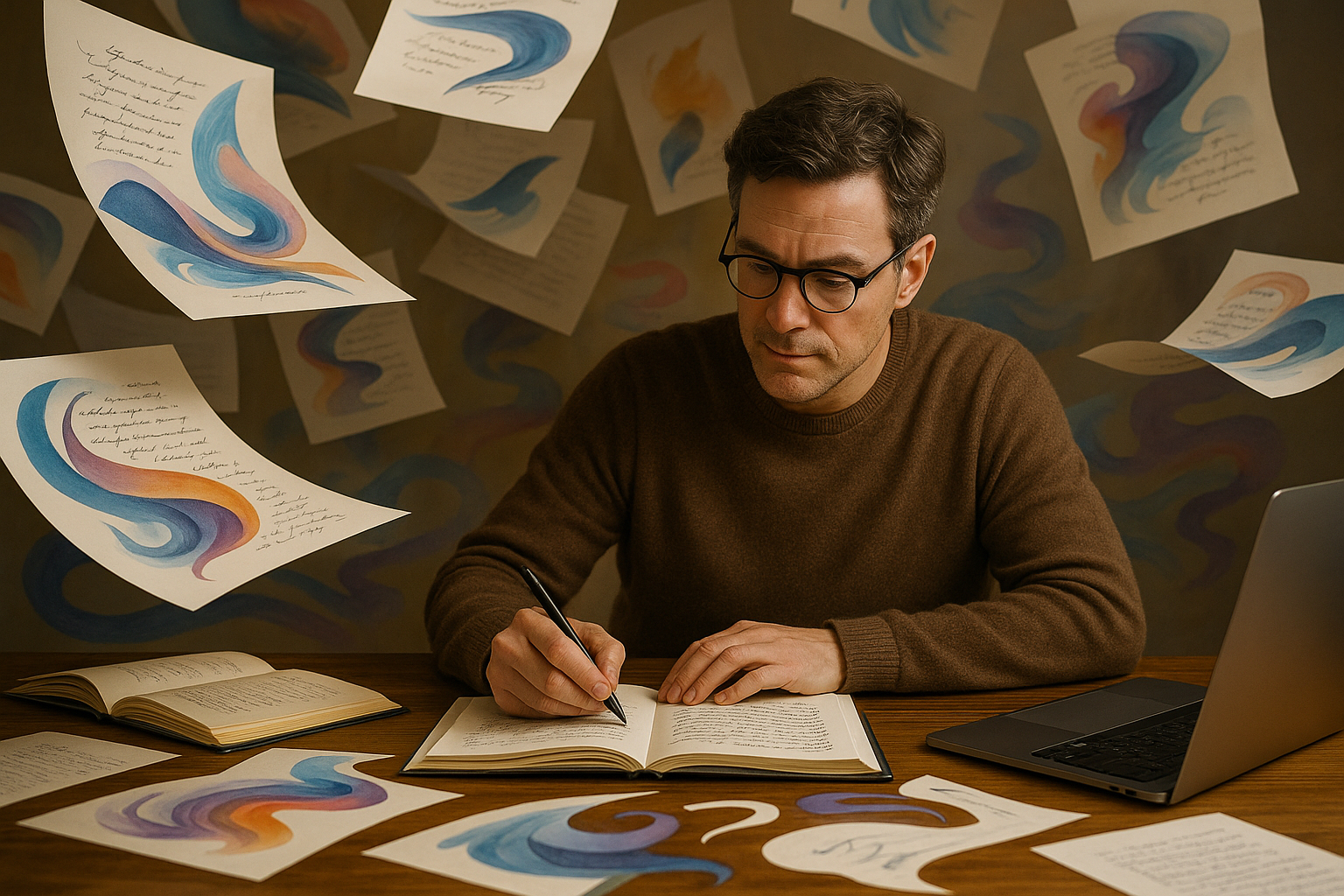
Experimental writing challenges readers to see language, structure, and storytelling in entirely new ways. It breaks free from convention — twisting grammar, bending form, and reshaping how ideas are communicated. From fragmented narratives to stream-of-consciousness prose, experimental literature invites readers to think, feel, and interpret beyond the surface. In doing so, it doesn’t just tell a story — it transforms the act of reading into a creative experience.
Breaking the Rules of Storytelling
Traditional fiction often follows predictable patterns — a beginning, middle, and end. Experimental writing disrupts this order. Authors like James Joyce, Virginia Woolf, and Italo Calvino pioneered new techniques that blurred the boundaries between thought and narrative. By breaking grammatical norms, shifting perspectives, or playing with typography, these writers force readers to actively engage with the text. The result? Reading becomes an act of discovery rather than passive observation.
Encouraging Active Interpretation
One of the most powerful aspects of experimental writing is its openness to interpretation. Unlike conventional storytelling, where meaning is clearly presented, experimental works often leave gaps for readers to fill. This freedom encourages imagination — readers become co-creators, drawing connections and finding personal meaning in abstract or fragmented prose. Each reader’s interpretation becomes part of the art itself, making every reading experience unique.
Blending Genres and Forms
Experimental writing thrives on hybridization — mixing poetry with prose, merging visual art with text, or incorporating digital and multimedia elements. Works like Mark Z. Danielewski’s House of Leaves or Anne Carson’s Autobiography of Red blur the line between literature, art, and philosophy. By breaking genre boundaries, these works expand how stories can be told and experienced, engaging the senses as much as the mind.
Expanding Emotional and Cognitive Depth
By pushing readers out of their comfort zones, experimental writing invites emotional and intellectual exploration. It encourages readers to question assumptions about reality, communication, and perception. The unpredictable nature of these texts’ mirrors life’s own uncertainty, prompting deeper reflection. In this way, experimental literature doesn’t just entertain — it challenges us to think differently about language, identity, and imagination itself.
Conclusion
Experimental writing redefines the relationship between author, reader, and text. By daring to defy rules, it opens limitless possibilities for creativity and interpretation. For readers, it’s a journey through uncharted territory — one where imagination becomes both guide and destination. In the end, experimental writing reminds us that language isn’t just a tool for communication — it’s a living, evolving art form that expands the very boundaries of thought.