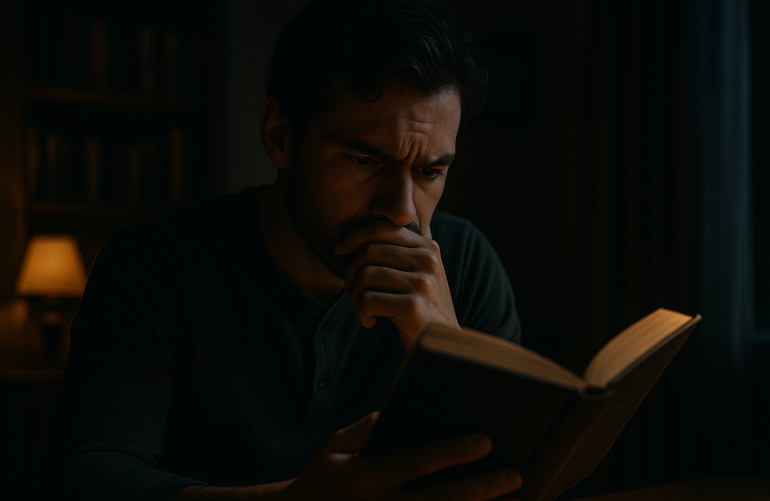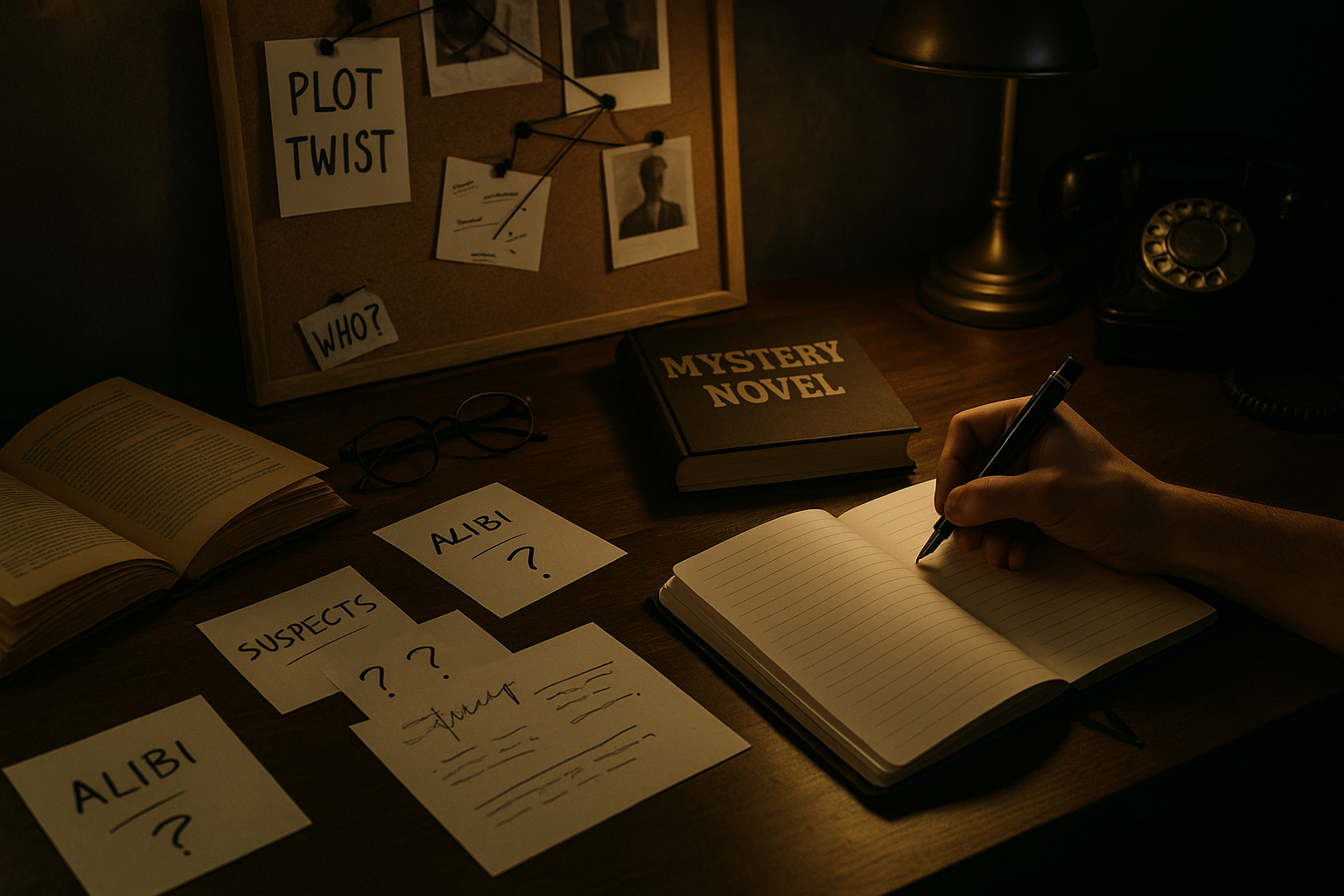
The heart of every great mystery novel lies in its ability to surprise. A well-crafted plot twist transforms an ordinary story into an unforgettable journey of suspense, curiosity, and revelation. It’s the moment when readers gasp, re-evaluate everything they thought they knew, and realize the clues were there all along. The best mystery writers don’t just hide the truth—they build entire worlds of deception and discovery around it.
The Psychology of Surprise
Plot twists work because they play on the psychology of expectation. Readers of mystery novels actively search for patterns, anticipating how the story will unfold. When the writer skillfully subverts these expectations, the result is both shock and satisfaction. This blend of confusion and clarity activates the brain’s reward system, making the twist feel both earned and exhilarating. It’s the perfect mix of logic and emotion—surprise that makes sense in hindsight.
Foreshadowing: The Invisible Thread
The most powerful twists are not random—they’re hidden in plain sight. Authors like Agatha Christie, Gillian Flynn, and Tana French master the art of subtle foreshadowing. Tiny details—a passing comment, a misplaced object, an inconsistency in dialogue—often hold the key to the reveal. When readers finally connect these dots, they experience a sense of awe rather than frustration. The balance between misdirection and truth is what elevates a good mystery to greatness.
The Role of Perspective
Modern mystery novels often use unreliable narrators or shifting points of view to create psychological depth. These techniques challenge readers to question their assumptions. In books like Gone Girl or The Girl on the Train, the twist doesn’t just change the story—it redefines who the reader can trust. This narrative manipulation creates tension and adds emotional complexity, making the twist more than a gimmick—it becomes the story’s soul.
Twists as a Tool for Reflection
Beyond entertainment, plot twists often serve as metaphors for human perception and truth. They remind us how easily we can be deceived; how incomplete our understanding can be. Mystery writers use twists to explore morality, memory, and motive—forcing both characters and readers to confront uncomfortable realities.
Conclusion
Plot twists are the lifeblood of the mystery genre, shaping stories that linger in the reader’s mind long after the final page. They challenge, surprise, and satisfy—transforming a simple whodunit into a masterclass of storytelling. In the best mysteries, the twist isn’t just a trick; it’s the revelation that makes every clue, every lie, and every page worth the journey.