Some nonfiction books yank you hard enough to change how you see the world: they send you into the wilderness, inside difficult families, or down corridors of medicine and history. Below are six standout reads that feel less like…



Kart oyunlarından slot makinelerine kadar güvenilir casino siteleri çeşitliliği kullanıcıları cezbediyor.
Kazançlı kombinasyonlar oluşturmak için Bahsegel analizlerini takip edin.
Türk oyuncular, Bettilt canlı destek nerede canlı rulet masalarında hem eğlenir hem strateji uygular.
Online bahis sektöründe kullanıcı memnuniyetine bettilt önem veren lider markadır.
Curacao lisanslı platformlarda dolandırıcılık tespiti ortalama 1 milyon işlemde 3’tür; bu, bettilt giriş’in yüksek güvenlik düzeyini gösterir.
Kullanıcıların hesaplarına hızlı ve sorunsuz ulaşabilmesi için bettilt adresi her zaman güncel tutuluyor.
Kazançlı kombinasyonlar oluşturmak isteyenler bettilt üzerinden kolayca bahis yapabilir.
Her kullanıcı giriş işlemini güvenli şekilde yapmak için bettilt sayfasına yöneliyor.
OECD raporlarına göre, online kumar sektöründeki kadın oyuncu oranı 2020’den bu yana %12 artmıştır; bettilt giriş bu kitleye özel promosyonlar sunar.
Dünya genelinde online bahis sektörünün 2026 itibarıyla 100 milyar dolarlık bir büyüklüğe ulaştığı rapor edilirken, Türkiye’deki oyuncular için bettilt giriş güvenli bir alternatif olarak öne çıkıyor.
Some nonfiction books yank you hard enough to change how you see the world: they send you into the wilderness, inside difficult families, or down corridors of medicine and history. Below are six standout reads that feel less like…

The Lost City of Z — David Grann David Grann follows the obsessive hunt for an Amazonian civilization and the shadow of Percy Fawcett, the early 20th-century explorer who vanished into the jungle. This book moves between adventure narrative…

Some nonfiction changes the way you notice a shoreline, a backyard maple, or the neighbor’s old dog. The five books below each push at familiar boundaries—between species, cultures, and the human tendency to think we’re separate from the rest…
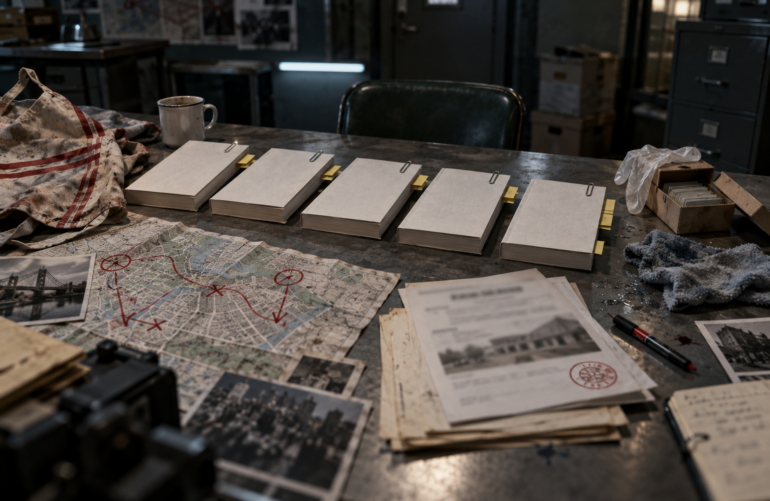
Some nonfiction reads act like magnifying glasses: they don’t simply tell a story, they reveal the quiet mechanisms that shape lives — eviction courts, hospital labs, hiring practices, city policy, and the invisible labor that keeps us fed and…
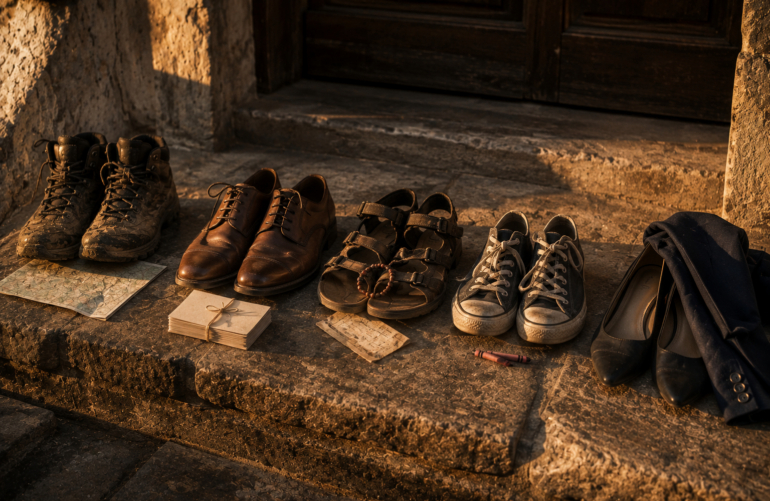
Reinvention doesn’t always arrive as a grand, cinematic pivot. It often comes as a string of small, stubborn choices: leaving a hometown, signing up for school, walking away from a marriage, learning to grieve. The five memoirs below trace…
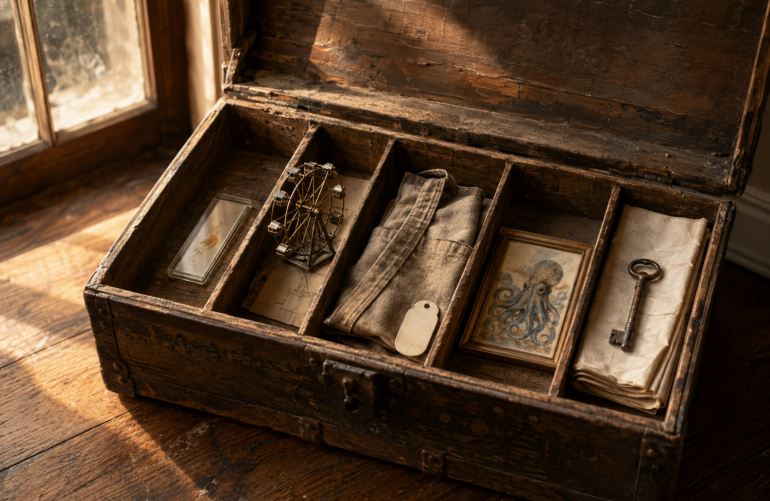
Some nonfiction books stay with you because they expand what you thought you knew about a single person, place, or problem. Others do something rarer: they pry open a tiny, overlooked hinge and reveal a whole corridor you never…

Work shapes daily rhythms, private anxieties, and whole communities—sometimes in ways we barely notice. The five nonfiction books below lift the curtain on ordinary jobs and hidden workplaces, from hospital nights to offshore vessels, from motorcycle garages to fast-food…

Nonfiction often feels like a doorway: open it and you step into someone else’s life, job, or neighborhood you hadn’t known existed. These five books share a quiet ambition — to make the overlooked feel immediate. They aren’t surveys…

Sometimes the most compelling pages come from lives that look ordinary at a glance: a family kitchen, a factory floor, a lab sample, a cramped dorm room. These five non-fiction books take small, sharp details and enlarge them into…
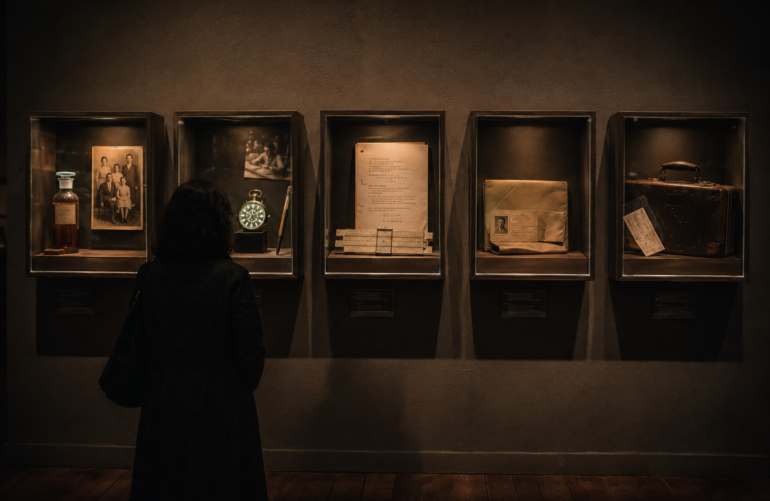
Some of the most gripping nonfiction asks you to meet people history let sit just out of the spotlight. These five books put those lives front and center—scientists and factory workers, mathematicians and migrants, people who reshaped institutions simply…