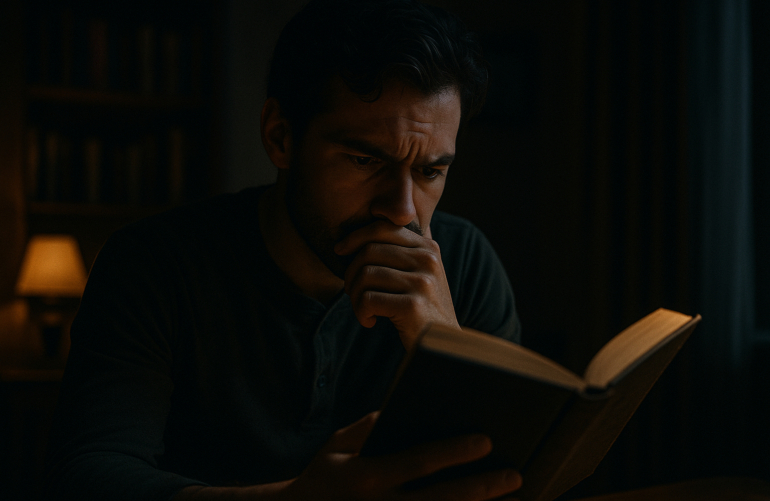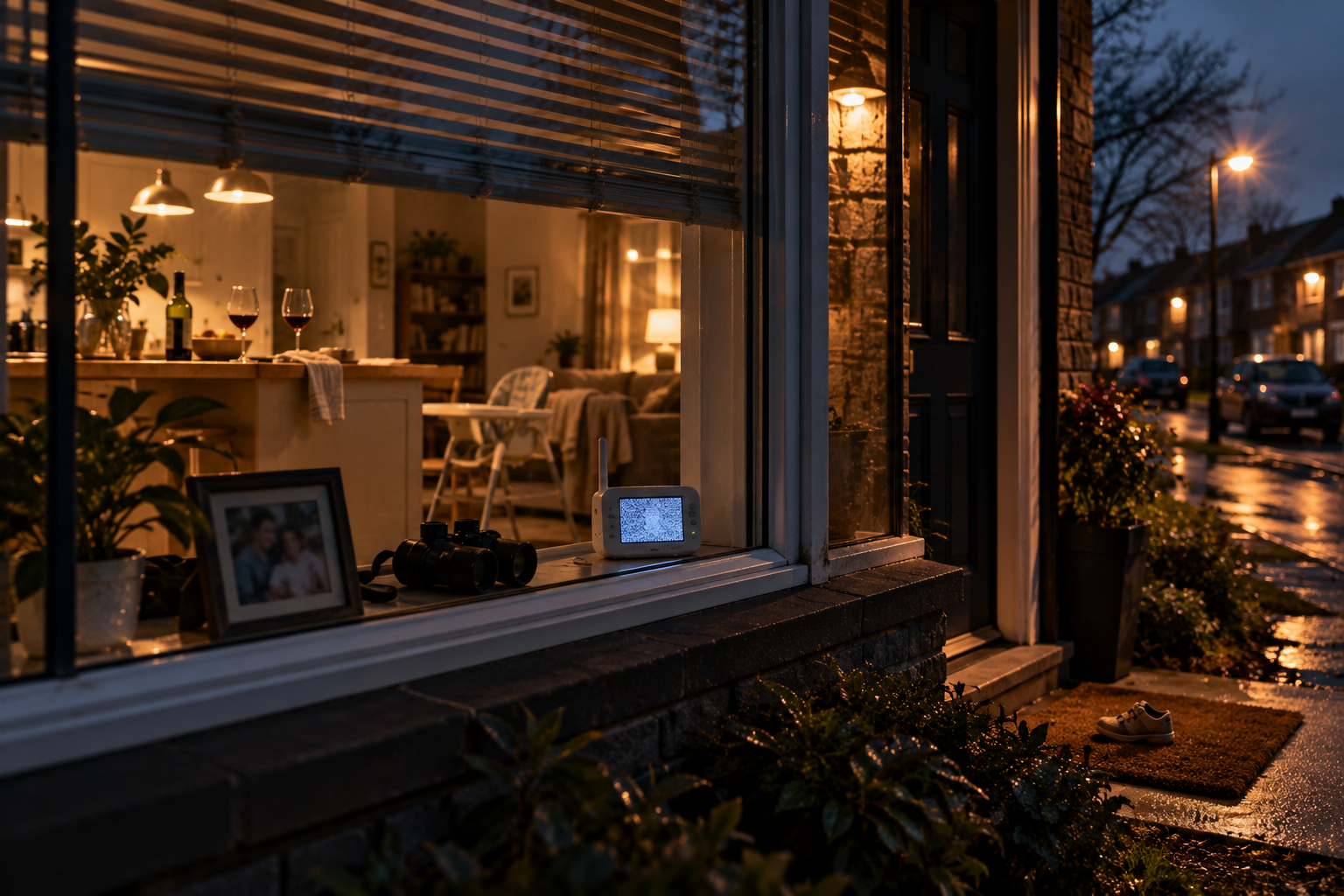
Homes promise safety, routine and the small rituals that keep days from tipping over. These six thrillers upend that comfort: ordinary rooms, neighborly facades and familiar habits become sources of tension. If you like plots that take place in kitchens, backyards and commuter trains—where the threat feels personal and close at hand—these books will keep you turning pages long after lights-out.
The Girl on the Train — Paula Hawkins
Rachel’s daily commute becomes an obsession: she watches a couple from the train and invents a life for them. When something goes wrong, her fractured memory and dependence on alcohol make her an unreliable witness. Hawkins builds claustrophobic dread from repeated sights and missed details—it’s a study in how routine can blind you to danger.
The Couple Next Door — Shari Lapena
A quiet suburban evening turns into every parent’s nightmare when a baby disappears during a neighborly dinner. Lapena piles domestic pressures—marriage cracks, neighborhood gossip, police questioning—into a tightly wound plot. The book moves fast, with betrayals and half-truths that make the familiar street feel suspicious.
Behind Closed Doors — B. A. Paris
This novel trades on appearances: an enviable couple whose perfect life conceals a much darker pattern. Paris keeps pages short and scenes immediate, so that ordinary household objects and gestures acquire an almost sinister weight. The suspense comes from the sense that something ordinary can be weaponized.
The Woman in the Window — A. J. Finn
An agoraphobic woman watches her neighbors through binoculars and believes she sees a violent act. Finn uses isolation—one person stuck inside a New York brownstone—to amplify paranoia. The novel leans on perception, glass, and the small rituals of a confined life, so readers never quite trust what they see.
The Family Upstairs — Lisa Jewell
When an inheritance brings strangers to an old house, secrets buried within its walls start to surface. Jewell specializes in layered reveals: multiple viewpoints, shifting timelines and a sense that the house itself remembers past wrongs. It’s a slow deconstruction of a domestic façade into its unsettling components.
In a Dark, Dark Wood — Ruth Ware
Set at a secluded, glass-walled retreat for a hen party, this novel turns camaraderie into suspicion. Ware’s tight, present-tense narration makes the guest list feel claustrophobic; every small omission and forgotten moment carries weight. The story is about what people leave unsaid when they think they’re among friends.
Conclusion
These books prove the most unnerving threats often arrive through familiar doors and neighborly smiles. If you want thrillers that fold fear into everyday life—kitchens, commuters, borrowed couches—any one of these will unsettle and satisfy.