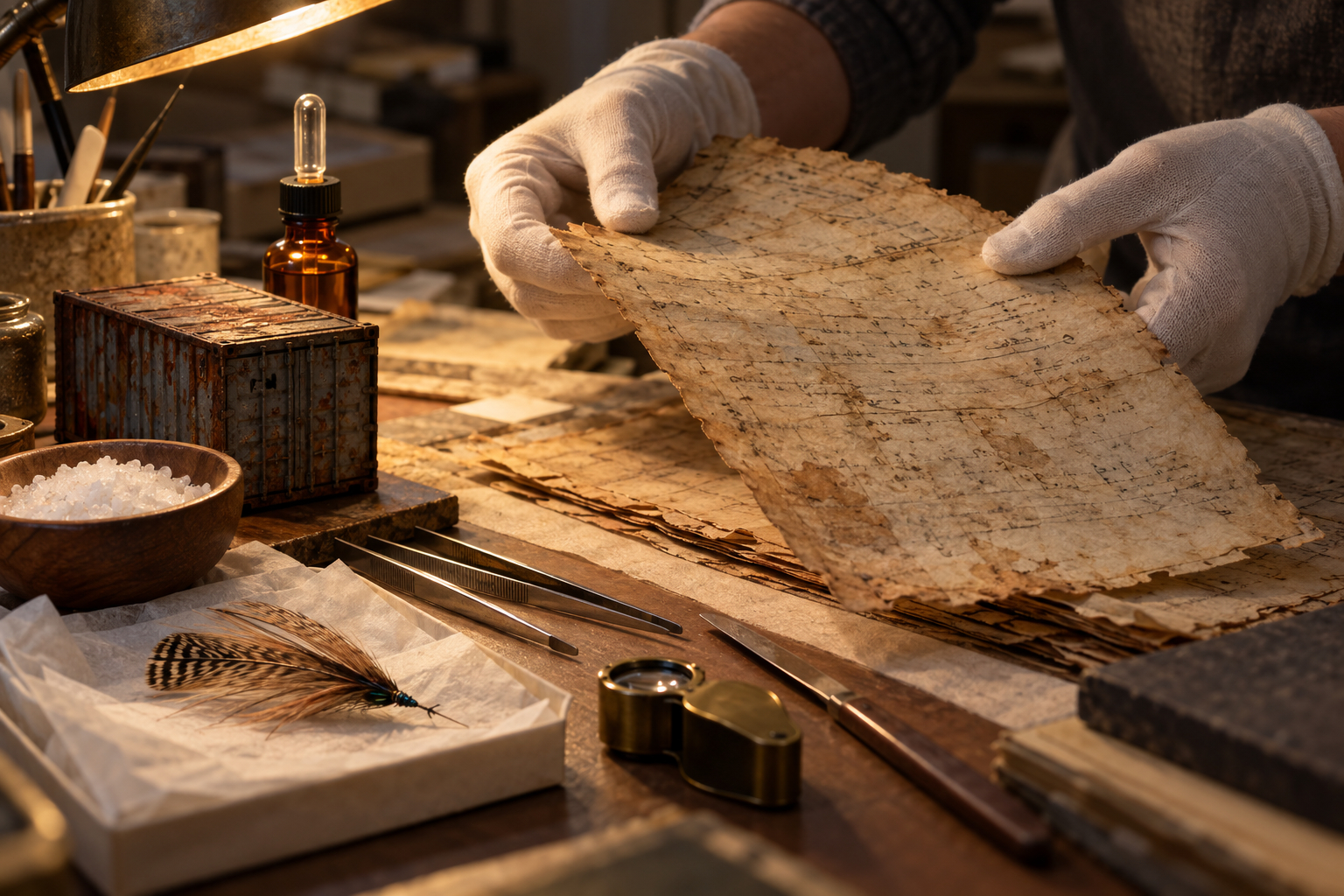
Some books take a broad sweep across centuries. Others start with a single object, animal, or event and let that slender thread unravel whole worlds. These five nonfiction titles use that narrower focus to reveal trade networks, scientific breakthroughs, cultural shifts, and the odd human obsession. If you like one clean idea that grows surprising branches, start here.
Salt by Mark Kurlansky
Kurlansky turns a humble mineral into a passport through human history. Salt’s story moves from ancient preservation and taxation to the rise and fall of cities and empires. The chapters feel like short stories linked by a common grain—each place and era offering a fresh reason why societies valued salt the way they did.
The Box by Marc Levinson
Shipping containers quietly remade global trade. Levinson traces how a simple standardization—stackable metal boxes—slashed costs, reshaped ports, and created the world of cheap, ubiquitous goods most of us take for granted. If you want to understand the practical mechanics behind globalization, this book makes the machinery visible without getting clogged in jargon.
The Feather Thief by Kirk Wallace Johnson
Part true crime, part natural history, this book follows a 2009 theft of rare bird skins from a London museum and the strange subculture that coveted them: Victorian-era feathers prized by fly-tying collectors. Johnson’s reporting moves between the heist, the hobbyists, and what was lost to science, producing an oddly intimate portrait of obsession and consequence. Minor spoiler alert: the investigation’s twists are central to the story.
The Poisoner’s Handbook by Deborah Blum
Set in Jazz Age New York, this lively account centers on the birth of forensic toxicology and the medical examiners who turned poisoning from a mystery into a solvable crime. Blum focuses on a handful of people and cases to show how chemistry, medicine, and law intersected with everyday life—what we ate, how homes were heated, what products people trusted.
The Swerve by Stephen Greenblatt
Greenblatt tells the story of how a single ancient poem, Lucretius’s De Rerum Natura, resurfaced in the Renaissance and helped shift European thought. The narrative orbits around one manuscript’s rediscovery and the intellectual ripple effects that followed, turning an obscure text into a catalyst for modern ideas about nature, death, and pleasure.
Conclusion
Each of these books starts with a tight subject—a grain of salt, a metal box, a stolen collection—and from there reveals entire systems of trade, belief, science, and desire. If you like nonfiction that opens outward from a concrete center, any one of these will leave you seeing the everyday in new ways.