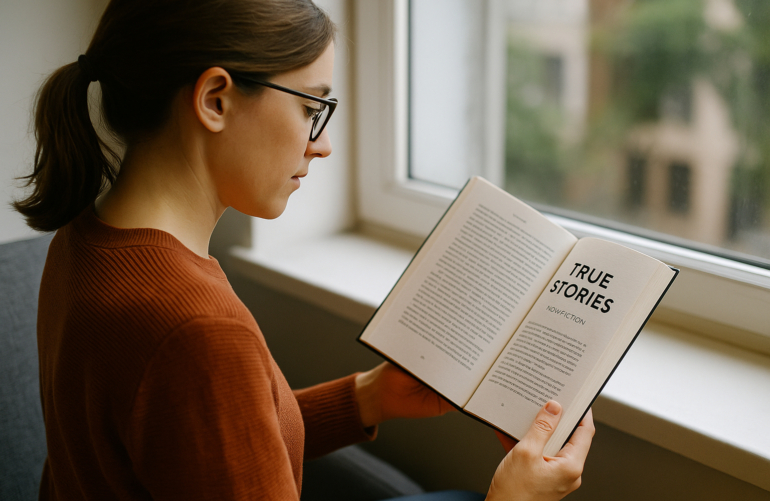
Memoirs have always offered a window into the human soul, revealing truths about life, struggle, and self-discovery. But in recent decades, modern memoirs have evolved far beyond simple recollections — they’ve become powerful works of art that shape culture, challenge perceptions, and redefine the way stories are told. Through authenticity and emotional depth, these books have turned personal experiences into universal lessons that resonate across generations.
The Evolution of the Memoir Form
Traditional memoirs once focused primarily on linear storytelling — recounting life events in chronological order. Modern memoirs, however, have broken free from this structure. They weave time, emotion, and reflection seamlessly, blending memory with insight. Authors like Joan Didion, Trevor Noah, and Michelle Obama use their personal experiences to explore broader social and cultural themes, creating narratives that feel both intimate and universally relevant.
Honesty and Vulnerability as Strengths
Today’s memoirists embrace vulnerability like never before. Works such as Educated by Tara Westover or Becoming by Michelle Obama show that true strength lies in honesty. By sharing raw, imperfect experiences — from trauma to triumph — these authors connect with readers on a deeply human level. This authenticity transforms personal pain into collective empathy, inspiring readers to confront their own stories with courage and compassion.
Blending Art and Reality
Modern memoirs often blur the line between literature and life. Writers use poetic language, nonlinear timelines, and creative narration to elevate their storytelling. For instance, The Glass Castle by Jeannette Walls reads like a novel but remains rooted in truth. This fusion of artistic expression and factual honesty has redefined what non-fiction can achieve, turning real lives into masterpieces of narrative art.
Cultural Impact and Representation
The diversity of voices in modern memoirs has expanded global understanding. Authors from different backgrounds, such as Trevor Noah (Born a Crime) or Malala Yousafzai (I Am Malala), have shared perspectives that challenge stereotypes and highlight resilience. Their stories amplify underrepresented voices and prove that every experience — no matter how ordinary or extraordinary — deserves to be heard.
Conclusion
Memoirs today are not just about remembering the past — they are about shaping the present and inspiring the future. Through courage, creativity, and truth, they redefine storytelling and remind us that every life has a story worth telling. In revealing themselves, modern memoirists have redefined what it means to connect through words.