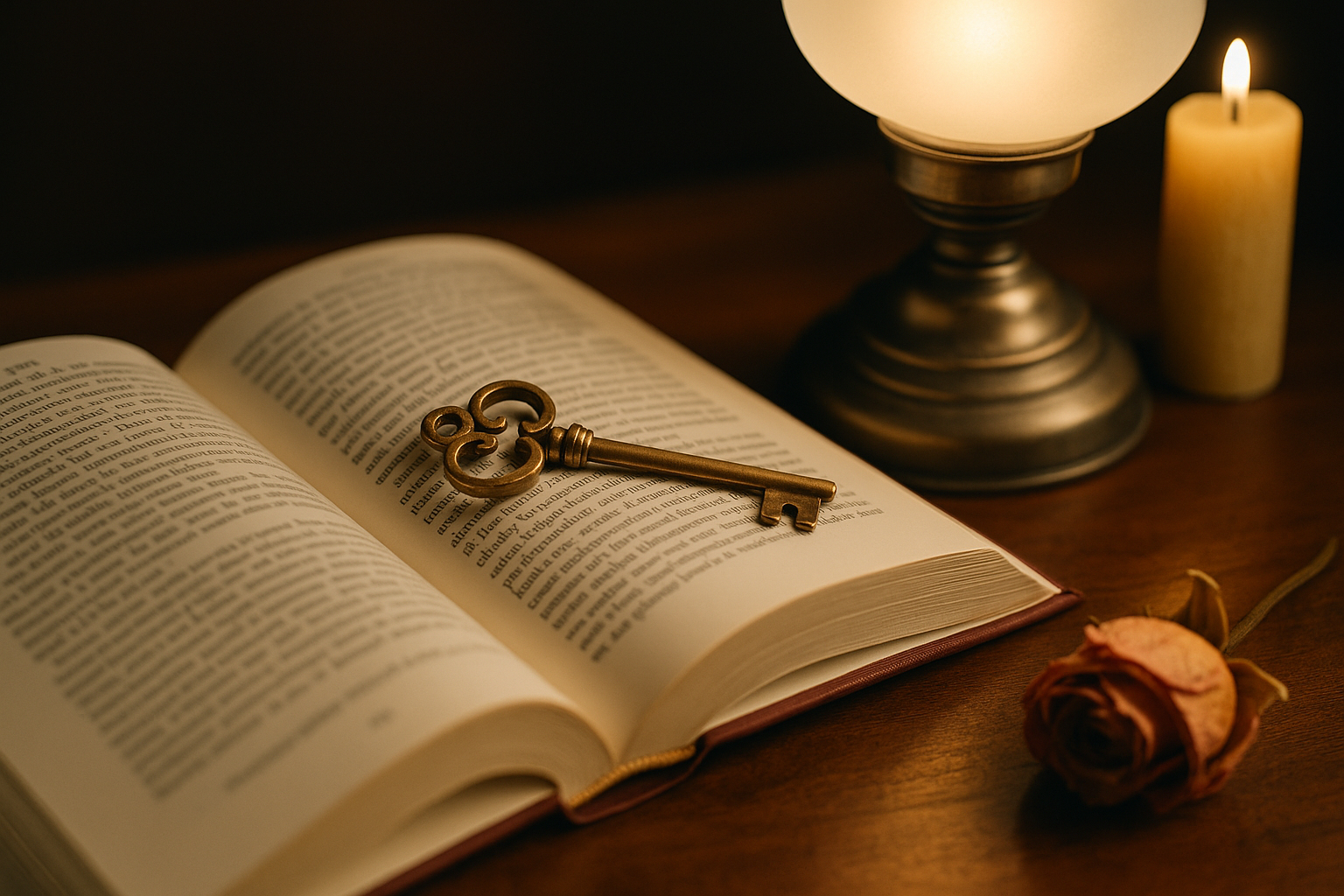
Symbolism is one of the most powerful tools in fiction. It transforms simple objects, characters, or events into deeper layers of meaning, giving readers more to uncover with every page. When used effectively, symbolism turns an ordinary story into an unforgettable experience—one that lingers long after the last line is read.
What Is Symbolism in Fiction?
At its core, symbolism is the use of an image or object to represent an idea or emotion. A broken clock might symbolize lost time, a storm could mirror inner turmoil, and light often stands for hope or truth. These subtle details allow writers to express complex themes without directly stating them, letting readers interpret meaning for themselves.
Why Symbolism Matters
Symbolism enriches storytelling by adding emotional and intellectual depth. It creates connections between a story’s visible world and its hidden message. When readers recognize a symbol’s meaning, they engage more deeply, feeling as if they’ve discovered something personal. This emotional resonance is what turns good fiction into great art.
Types of Symbolism in Literature
Symbolism can appear in many forms:
-
Objects: A recurring item like a key, mirror, or flower can represent freedom, truth, or love.
-
Colors: Shades like red for passion, blue for calm, or black for mystery set the mood.
-
Characters: Some characters embody ideals or flaws that reflect broader themes.
-
Settings: Environments like decaying mansions or open fields often symbolize internal or societal struggles.
Mastering Subtlety
The secret to great symbolism is restraint. If it’s too obvious, it feels forced; if too hidden, it’s missed entirely. The best symbols grow naturally from a story’s world and emotions, revealing meaning over time rather than demanding attention.
Conclusion
Symbolism is the soul of storytelling—a bridge between what’s said and what’s felt. It invites readers to explore beneath the surface, discovering truth in layers of metaphor and imagery. For writers and readers alike, it’s a reminder that the greatest stories don’t just tell—they show, suggest, and stir the imagination.