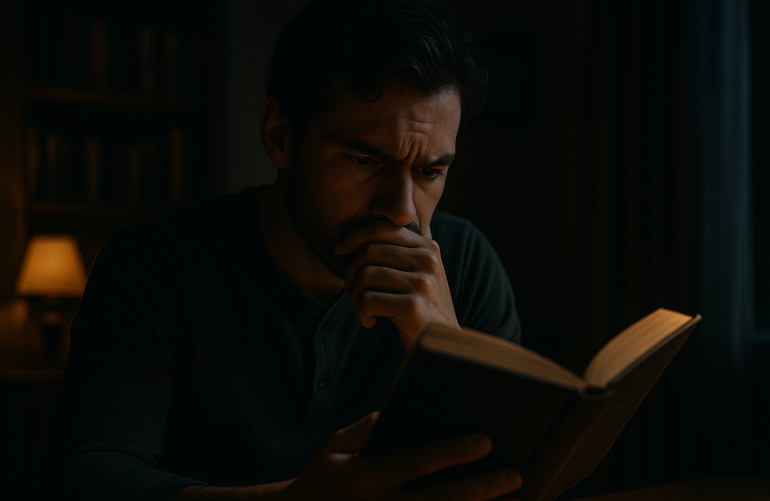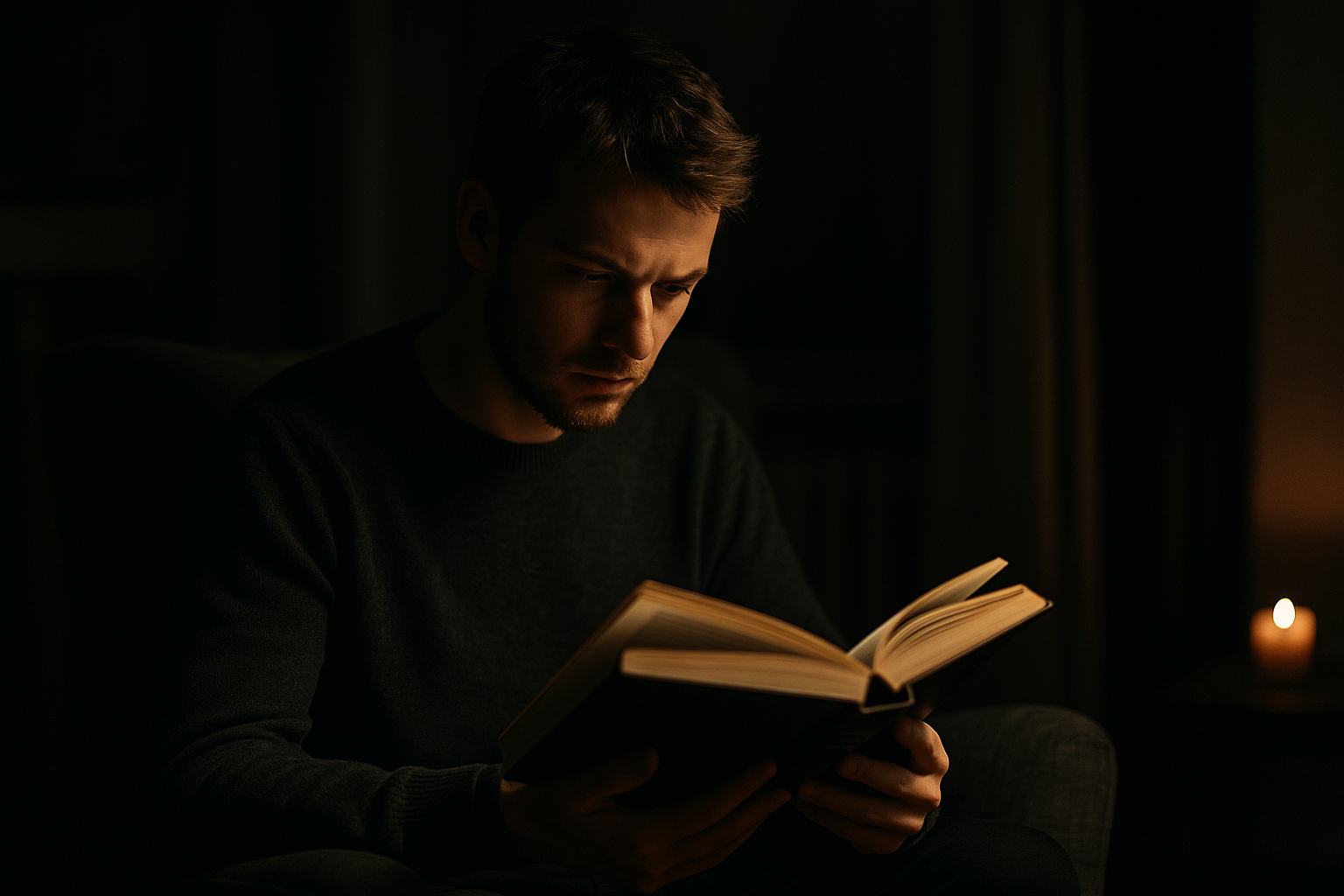
From haunting mysteries to psychological thrillers, stories with dark themes have always held a powerful grip on readers’ imaginations. Despite the unsettling emotions they can evoke, dark plots draw us in — offering a mirror to our fears, flaws, and inner complexities. We may not live out danger or tragedy in real life, yet through fiction, we safely explore them. These stories allow us to confront what scares or challenges us, ultimately helping us understand the light within the darkness.
The Psychology Behind the Fascination
Dark plots tap into the most primal parts of human curiosity. Psychologists suggest that people are drawn to fear and tension because they provide a safe way to experience danger without real-world consequences. When readers immerse themselves in a chilling narrative, their adrenaline rises — yet they remain in control. This balance of fear and safety makes reading both thrilling and cathartic. It’s the same reason we enjoy roller coasters or horror movies: they let us flirt with fear in a controlled environment.
The Reflection of Real Emotion
While dark stories often feature tragedy, betrayal, or loss, they resonate because they reflect authentic emotions. Life itself isn’t always lighthearted, and readers find comfort in stories that acknowledge pain, conflict, and imperfection. Characters who navigate darkness — whether external or internal — feel deeply human. Watching them struggle, fall, and rise again helps readers process their own emotions. In many ways, dark fiction doesn’t just entertain; it heals.
The Moral Complexity of Darkness
Dark plots often thrive in moral gray areas. They challenge readers to question right and wrong, explore motives, and empathize with flawed characters. A well-written dark story doesn’t simply shock — it provokes thought. It reminds us that people are rarely purely good or evil; they’re shaped by choices, circumstances, and consequences. Readers are drawn to these layered narratives because they mimic real life, where every decision carries weight and ambiguity.
Catharsis and Emotional Release
One of the most powerful effects of dark fiction is catharsis — the emotional release that comes from experiencing strong feelings through art. When readers encounter pain, loss, or fear within a story, they process emotions they might otherwise suppress. The tension builds, the story unfolds, and by the end, there’s a sense of release. It’s why even tragic stories can leave readers feeling oddly satisfied. Darkness, when explored through fiction, can be cleansing.
Darkness as a Contrast to Hope
Dark plots are not always about despair — they often make hope shine brighter. The struggle against adversity, the small victories amidst chaos, and the resilience of the human spirit stand out more vividly against a shadowed backdrop. In many of the most beloved stories, darkness serves as a test — one that reveals courage, compassion, and transformation. Readers don’t just want to see the fall; they crave the rise that follows.
Conclusion
Readers are drawn to dark plots not because they enjoy pain, but because they seek understanding. These stories allow us to explore the depth of human emotion, confront hidden fears, and witness strength in vulnerability. Darkness in fiction mirrors the complexity of real life — unpredictable, imperfect, and deeply human. In the end, we turn the page not to escape the dark, but to find the light that lives within it.