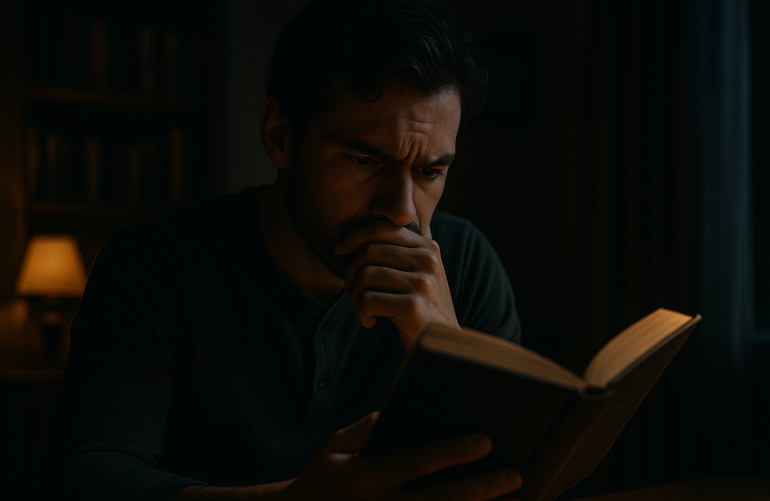
Crime fiction has always fascinated readers with its suspense, mystery, and high-stakes conflicts. But beyond thrilling storylines, the genre also offers a rich space to explore ethical dilemmas—moments where characters must choose between moral principles, personal values, and self-preservation. These dilemmas don’t just deepen the plot; they challenge readers to question what is right, what is just, and how far someone might go when pushed to the edge. This is what makes crime fiction more thought-provoking than it may initially seem.
When Justice and Morality Collide
At the heart of many crime stories lies an uncomfortable tension: the law isn’t always fair, and morality isn’t always legal. Crime fiction frequently explores these gray areas through characters who must break rules to prevent harm or pursue justice. Detectives may bend legal boundaries to catch a dangerous criminal, while victims might take justice into their own hands when the system fails them. These decisions force readers to examine what justice truly means and whether doing the “wrong” thing can ever be justified.
The Complexity of Human Motivation
Ethical dilemmas in crime fiction also reveal the complexity of human behavior. Villains are not always purely evil, and heroes are not always entirely righteous. Many characters operate in moral shades of gray—motivated by fear, loyalty, revenge, or desperation. This complexity allows crime fiction to reflect real-world conflicts, where people often act for reasons that are understandable even if their actions are not morally clear.
Writers use these dilemmas to explore how personal experiences, trauma, and social pressures influence decisions. This psychological depth helps readers empathize with characters, even those who make questionable choices.
Societal Questions Hidden in Fiction
Many ethical dilemmas in crime fiction mirror real societal issues. Stories may highlight biases in the justice system, corruption, inequality, or the consequences of unchecked power. Through fictional scenarios, readers are encouraged to examine broader questions:
-
Should the ends justify the means?
-
Can a broken system deliver justice?
-
Who gets to decide what is right or wrong?
By presenting these dilemmas in gripping narratives, crime fiction prompts readers to reflect on issues they might otherwise overlook.
The Impact of Moral Ambiguity
Moral ambiguity keeps crime fiction unpredictable. When characters face ethical crossroads, readers are left uncertain of what will happen next—and how they should feel about it. This emotional engagement is a key reason why crime fiction remains one of the most popular genres worldwide. Instead of offering neat resolutions, many stories leave lingering questions that stay with the reader long after the final page.
Conclusion
Ethical dilemmas are the heart of compelling crime fiction. They challenge characters, deepen narratives, and invite readers to wrestle with complex moral questions. By exploring the gray zones between right and wrong, crime fiction not only entertains but also reflects the messy reality of human decision-making. It reminds us that morality is rarely simple—and that the most powerful stories often lie in the choices people struggle to make.