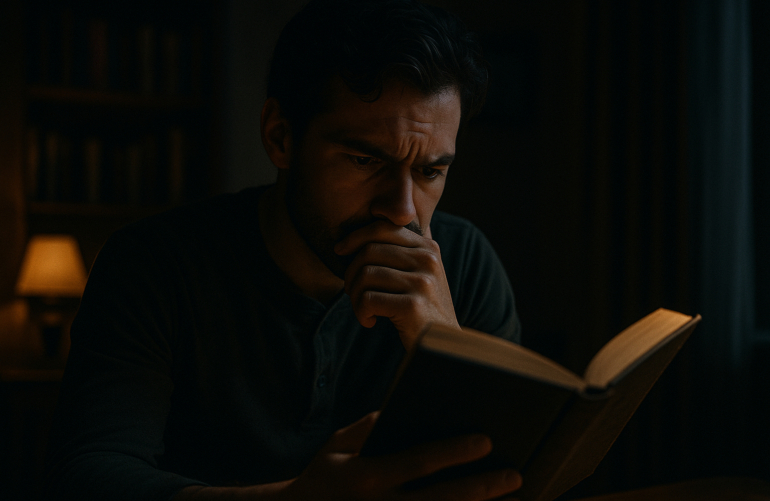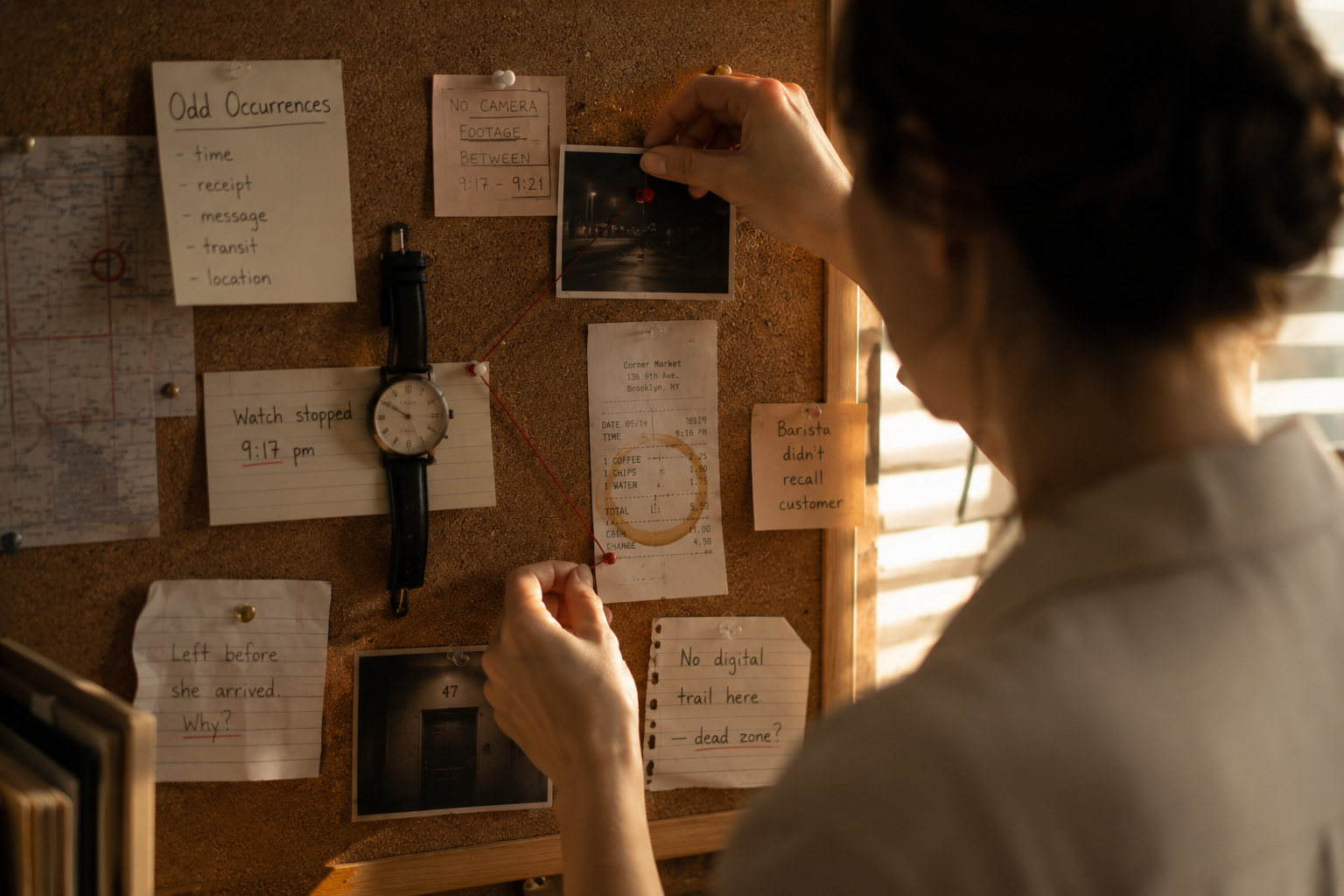
Small disturbances in a mystery are the friction that eventually sparks danger and revelation. A misplaced cup, a sentence clipped mid-conversation, or a clock that stops at an odd hour can signal motive as surely as any overt clue. These micro-details grab attention without shouting, and when arranged deliberately they shift reader trust and timing. This article explores practical ways to plant and escalate those disturbances to sustain psychological threat. We’ll outline concrete tactics writers can use to weave these disturbances into plot, character, and pacing.
Think of these techniques as long-term investments in tension. They should accumulate meaningfully rather than serve as isolated tricks.
Calibrating Details to Escalate Anxiety
Choose disturbances that resonate with theme or character history. A personal object altered subtly—smudged handwriting, a missing photograph—carries emotional weight while appearing incidental. Anchor changes to routine so readers notice the pattern before the protagonist does; this breeds dread without explicating threat. Vary sensory cues: a smell, an off-kilter light, or a recurrent sound can keep tension alive between plot beats. Resist explaining immediately; ambiguity is the fuel of dread.
Be precise with language so small shifts feel intentional rather than arbitrary. Plant a few red herrings but ensure each disturbance has eventual narrative purpose.
- Object alteration
- Routine disruption
- Sensory mismatch
Use those simple categories to brainstorm moments that can recur in different emotional registers. Short, repeated echoes make small details feel like a tightening noose.
Using Character Reactions to Raise Stakes
Character reaction is the mirror that amplifies disturbance. A minor hesitance, a forced joke, or a moment of avoidance reveals interior response that multiplies reader anxiety. Show consequence incrementally so stakes feel earned: missed sleep, fraying relationships, or mounting suspicion from other characters. Those reactions make disturbances matter beyond plot mechanics and root tension in human cost. Careful edits can ensure reaction scenes feel authentic rather than theatrical.
Use dialogue and silence to reveal different facets of unease. Readers trust what characters notice and what they ignore, so curate both.
Pacing Reveals to Reward Memory
Pacing the revelation of disturbances is as important as their invention. Space small anomalies across chapters and return to them in altered contexts so readers recall and reinterpret earlier moments. A late echo of an earlier triviality should feel both surprising and inevitable, rewarding attentive readers without alienating newcomers. Use transitions that remind rather than repeat, and let silence between mentions sharpen the impact when the pattern resolves.
Plan beats where memory flips a detail from mundane to menacing. Those moments transform scattered disturbances into a coherent, escalating threat.
Conclusion
Small disturbances are narrative currency: invested carefully, they yield emotional payoff. Design patterns that escalate without overwhelming the plot, and let character reaction convert detail into dread. When readers feel the cumulative pressure, suspense becomes inevitable.