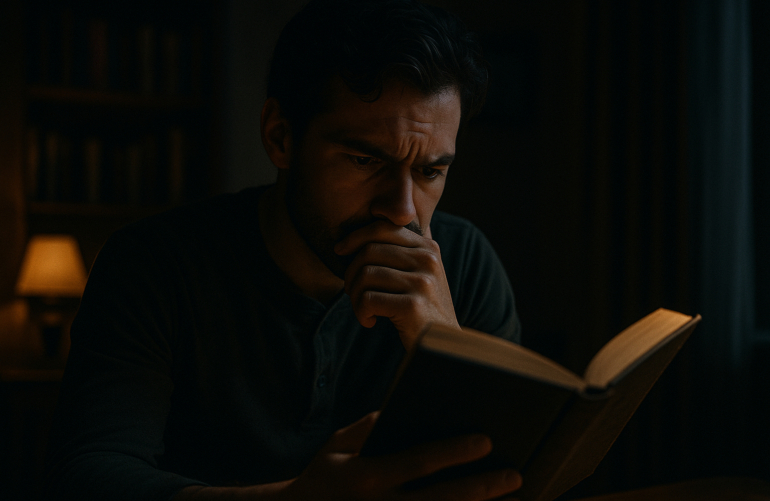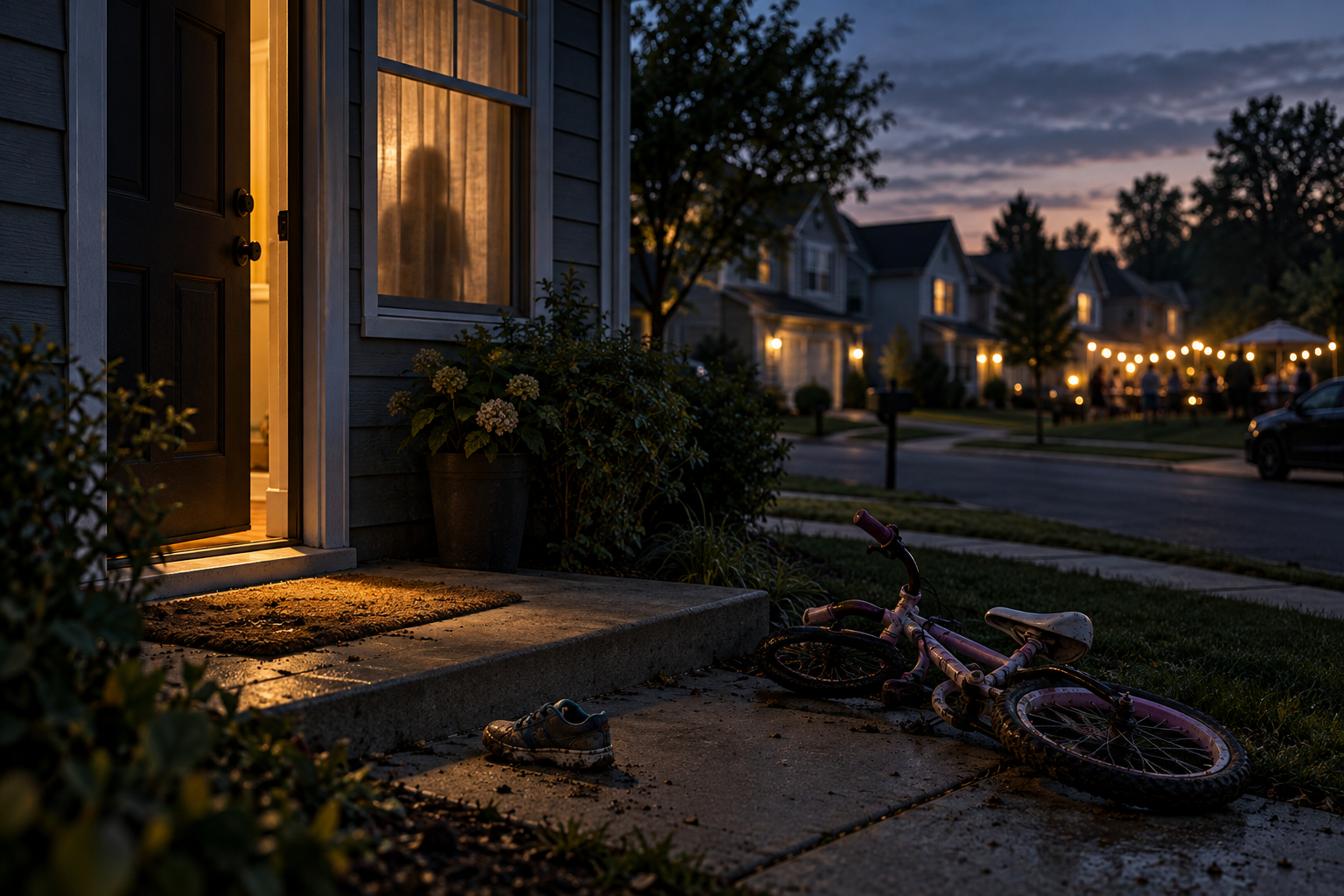
There’s something about ordinary rows of houses, tidy lawns, and shared stairwells that makes betrayal feel sharper. These five domestic thrillers turn familiar neighborhoods into pressure cookers where a misplaced glance, a borrowed cup of sugar, or a single overheard conversation can upend lives. If you like secrets tucked behind curtains and the idea that danger might be only a doorstep away, start here.
The Girl on the Train — Paula Hawkins
Rachel’s daily commute becomes an obsessive ritual: watching a couple who seem to have the life she’s lost. Hawkins builds white-knuckle tension from suburban routines and memory’s unreliability. The novel’s atmosphere—fogged windows, repeat routes, and small-town gossip—makes ordinary domestic scenes feel loaded. It’s a book about what neighbors see, what they choose to ignore, and what one person’s grief can miss.
The Woman in the Window — A. J. Finn
Anna Fox watches her neighbors from a Manhattan brownstone with the kind of intimacy that reads like surveillance. The claustrophobia of her apartment and the knowledge that someone close might be lying create an unsettling hush. Finn leans into psychological unease: the home as both refuge and trap, and the terrifying possibility that the most ordinary household could hide something sinister.
The Couple Next Door — Shari Lapena
When a child goes missing after a dinner party next door, every household assumption becomes suspect. Lapena’s lean prose turns neighborly interactions—polite small talk, shared anxieties, whispered judgments—into a map of motives. It’s a propulsive read that asks how well we really know the faces on our block and what neighbors might do in a moment of crisis.
Big Little Lies — Liane Moriarty
Moriarty’s novel is funny, sharp, and eerily true to the social calculus of school runs, book clubs, and backyard gatherings. Beneath the sitcom rhythms lie simmering resentments and protective alliances. The community’s overlapping perspectives build a mosaic of secrets where every polite exchange can carry a hidden charge—perfect for readers who like social intricacy alongside suspense.
Behind Closed Doors — B. A. Paris
This one examines the glossy exterior of a marriage that everyone envies—and what can be hidden behind smiles and manicured homes. Paris keeps the tension tight and immediate, showing how power and control can be masked by charm and neighborly approval. It’s a chilling reminder that proximity doesn’t equal knowledge.
Conclusion
These novels turn the comforting architecture of neighborhoods into engines of suspense, proving that the most unsettling threats often come from the people who live closest to us. If you want a next read, pick the angle—voyeurism, unreliable memory, domestic façade, social rivalry—and step over the threshold.