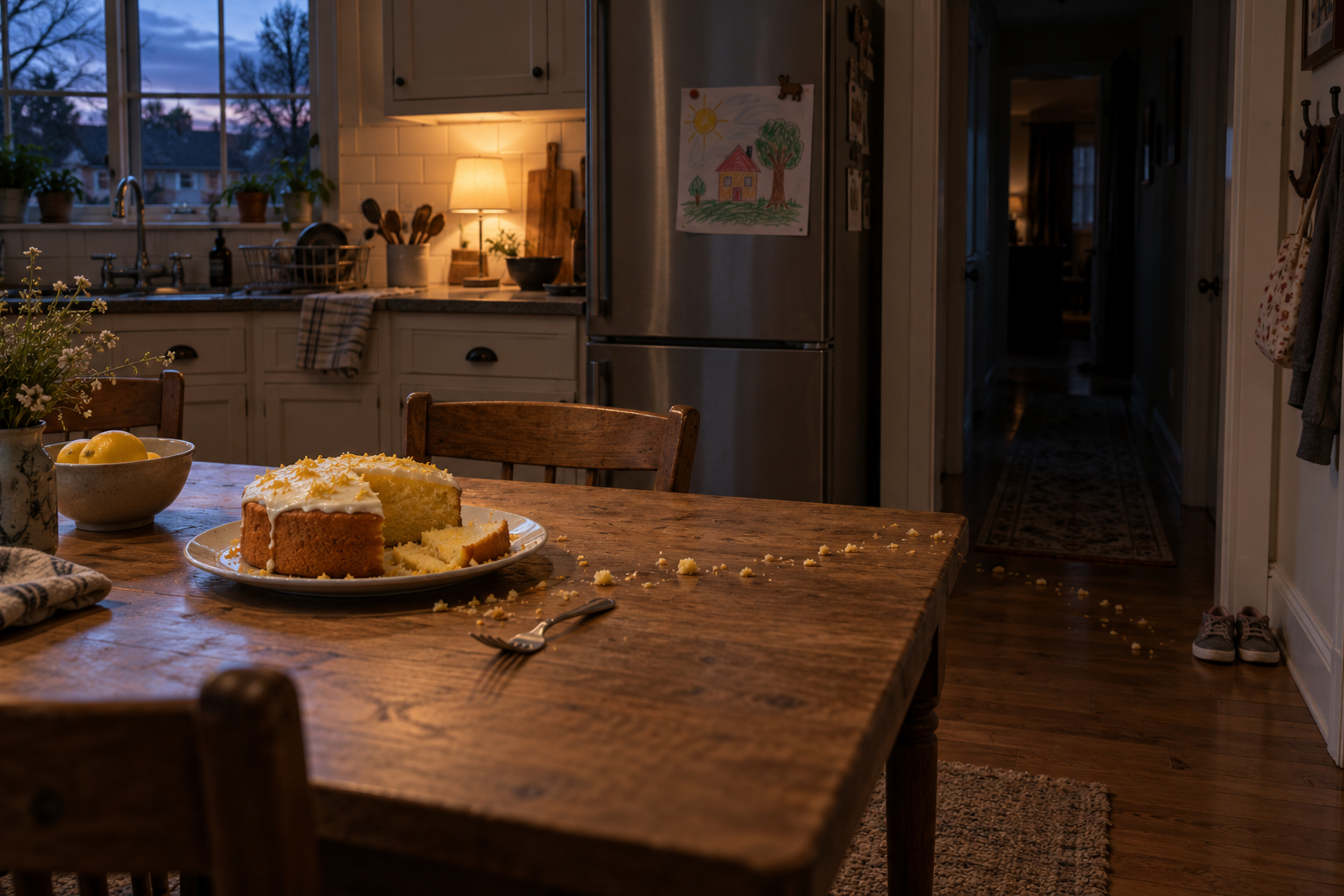
Sometimes the most unsettling stories don’t arrive with sirens and explosions; they creep out of kitchens, schoolyards, and tidy small towns. These five novels take everyday people and give the world around them a slow, strange tilt — a neighbor who notices too much, a child’s memory that won’t settle, or a domestic detail that quietly becomes uncanny. Each is compact enough to read in a few sittings but lingers long after you close the cover.
The Ocean at the End of the Lane — Neil Gaiman
Gaiman channels childhood memory and myth into a lean, luminous fable. The narrator returns to the lane of his youth and the story folds back to a series of odd, almost mythic events that feel both intimate and vast. The prose is plain but evocative; the uncanny here arrives through tiny acts and a child’s altered understanding of adults.
Never Let Me Go — Kazuo Ishiguro
(Minor spoiler:) Ishiguro’s novel begins as a nostalgic school story and quietly reveals a far stranger premise about the lives of its young characters. What makes the book so affecting is how calmly the characters accept their circumstances, and how the ordinary rhythms of school, friendship, and memory sharpen the moral questions underneath. It’s melancholy and oddly gentle, despite its hard ethical core.
The Particular Sadness of Lemon Cake — Aimee Bender
Bender’s novel offers a single fantastical conceit: a girl who can taste people’s emotions in the food they prepare. From that small, brilliant idea blossoms a portrait of family secrets, loneliness, and the impossibility of fully knowing the people around you. The tone is intimate and slightly surreal, perfect if you like strange premises that illuminate ordinary heartache.
We Have Always Lived in the Castle — Shirley Jackson
Jackson’s spare, claustrophobic tale centers on two sisters and their reclusive life after a family tragedy. The novel’s power is its atmosphere — the slow accumulation of suspicion, small cruelties, and the narrator’s unsettling reliability. It reads like a domestic chamber piece turned inward until the house itself seems to hold its breath.
The Vegetarian — Han Kang
Han Kang’s novel begins with a simple decision — one woman’s refusal of meat — and watches how that choice radiates through marriage, family, and identity. Lyrical and sometimes jarring, the book moves from the familiar into moments of intense, dreamlike violence and transformation. It’s short but unforgettably disquieting.
Conclusion
If you crave fiction where the everyday is slightly off-kilter rather than loudly sensational, these five books offer small, precise changes that ripple outward — quietly strange reads that stay with you.