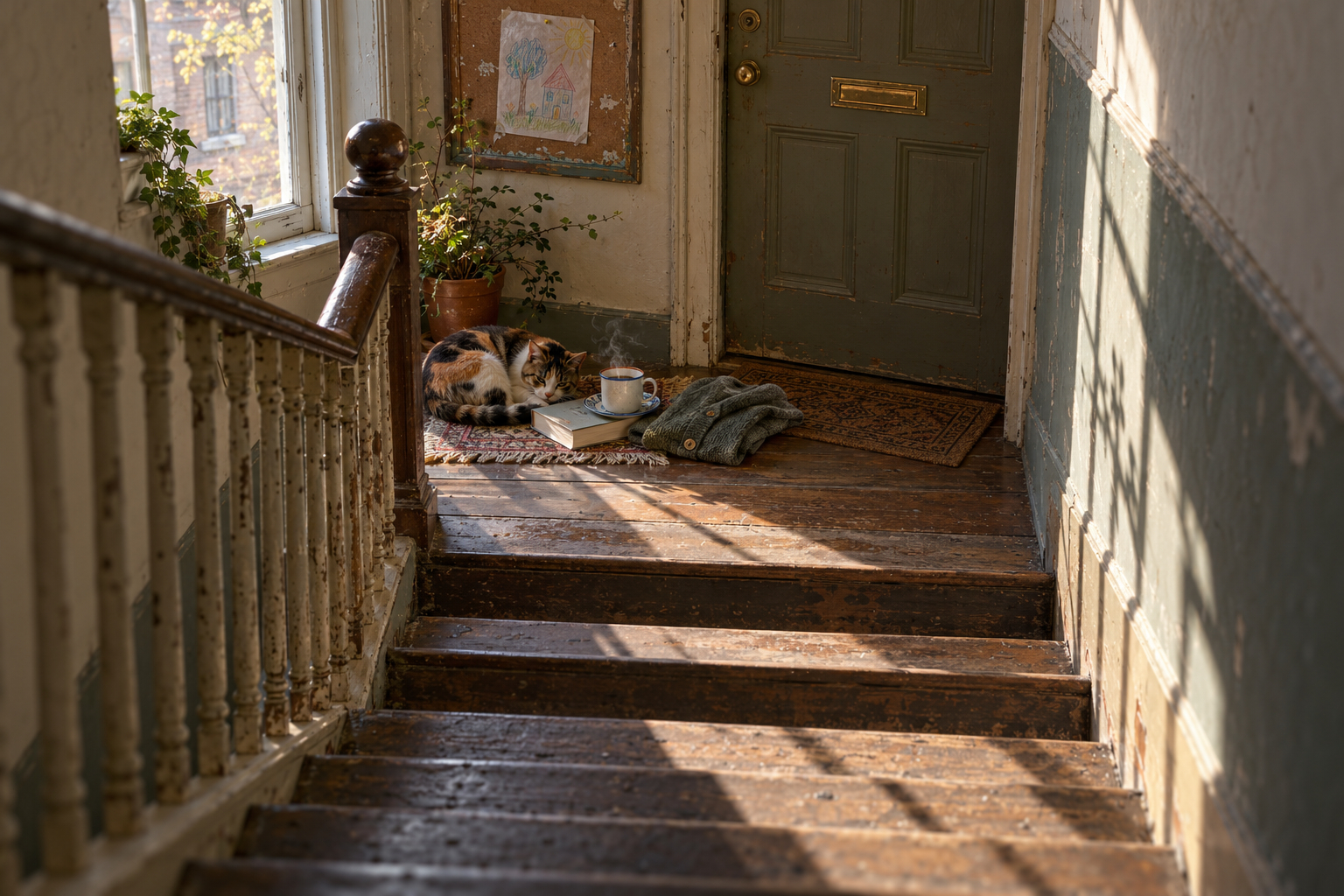
Some novels find their power not in fireworks or cliffhangers but in the quiet tilt of everyday life—a missed train, an awkward dinner, a single decision that ripples outward. If you enjoy stories that slow down time and treat the ordinary as worth watching, here are six novels that turn small moments into something memorable.
Stoner — John Williams
Plainspoken and unadorned, Stoner follows a single life with an insistently humane gaze. John Williams writes about work, marriage, and the interior rhythms of a man who never sought the spotlight. The prose feels deliberate: not flashy, but precise, so that details—a classroom argument, a failed ambition—accumulate into a quietly devastating portrait.
The Remains of the Day — Kazuo Ishiguro
This novel lives in restraint. Ishiguro’s narrator is a butler who measures dignity in stewardship and silence. Much of the story takes place in memory, and part of the book’s ache comes from what is left unsaid. If you like psychological subtlety and an atmosphere of regret wrapped in formal manners, this will linger after the last page.
Olive Kitteridge — Elizabeth Strout
Technically a linked collection of stories, Olive Kitteridge reads like a mosaic of small-town life centered on an unforgettable, prickly character. Strout’s voice moves between empathy and sharp observation; the short chapters let you step into different houses and years while returning to Olive’s stubborn, surprising presence.
Mrs. Dalloway — Virginia Woolf
Woolf takes a single June day and unfolds it into a chorus of interior moments—memories, flurries of feeling, passing streets. The novel’s stream-of-consciousness style captures the way a busy city day can brim with private reveries. Read it when you want language that turns ordinary sensations into music.
The Elegance of the Hedgehog — Muriel Barbery
Set in a Paris apartment building, this novel pairs two unlikely philosophers: a concierge and a precocious girl. Barbery blends gentle humor with philosophical asides, making room for beauty in overlooked corners. If you like books that reward attention to small pleasures—books, meals, art—this one feels like a warm, surprising companion.
A Man Called Ove — Fredrik Backman
Backman balances grumpiness and tenderness as he sketches a lonely man whose routines are disrupted by new neighbors. The novel moves from comic scenes to sincere emotion without melodrama. It’s a reminder that ordinary stubbornness can hide deep decency, and that community often arrives in the most everyday ways.
Conclusion
Each of these books treats life’s small cadences as worthy of attention. If you want novels that reward patience, offer them a quiet afternoon; they’ll repay you with insight, wit, and that strange, satisfying feeling of having lived a life alongside the characters.