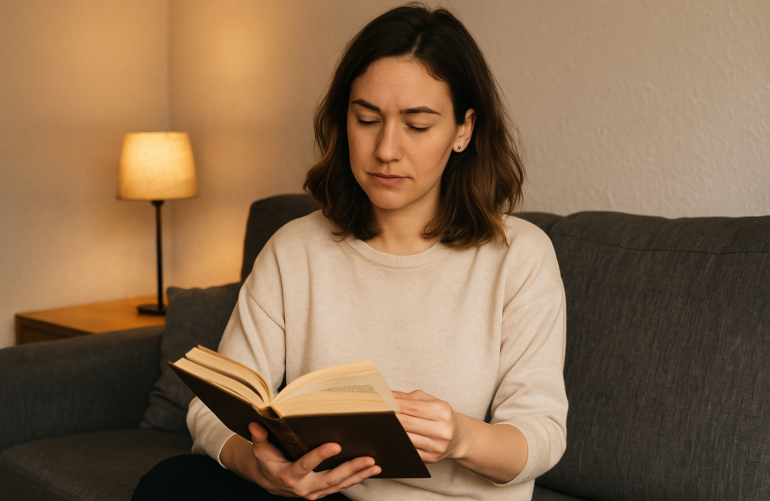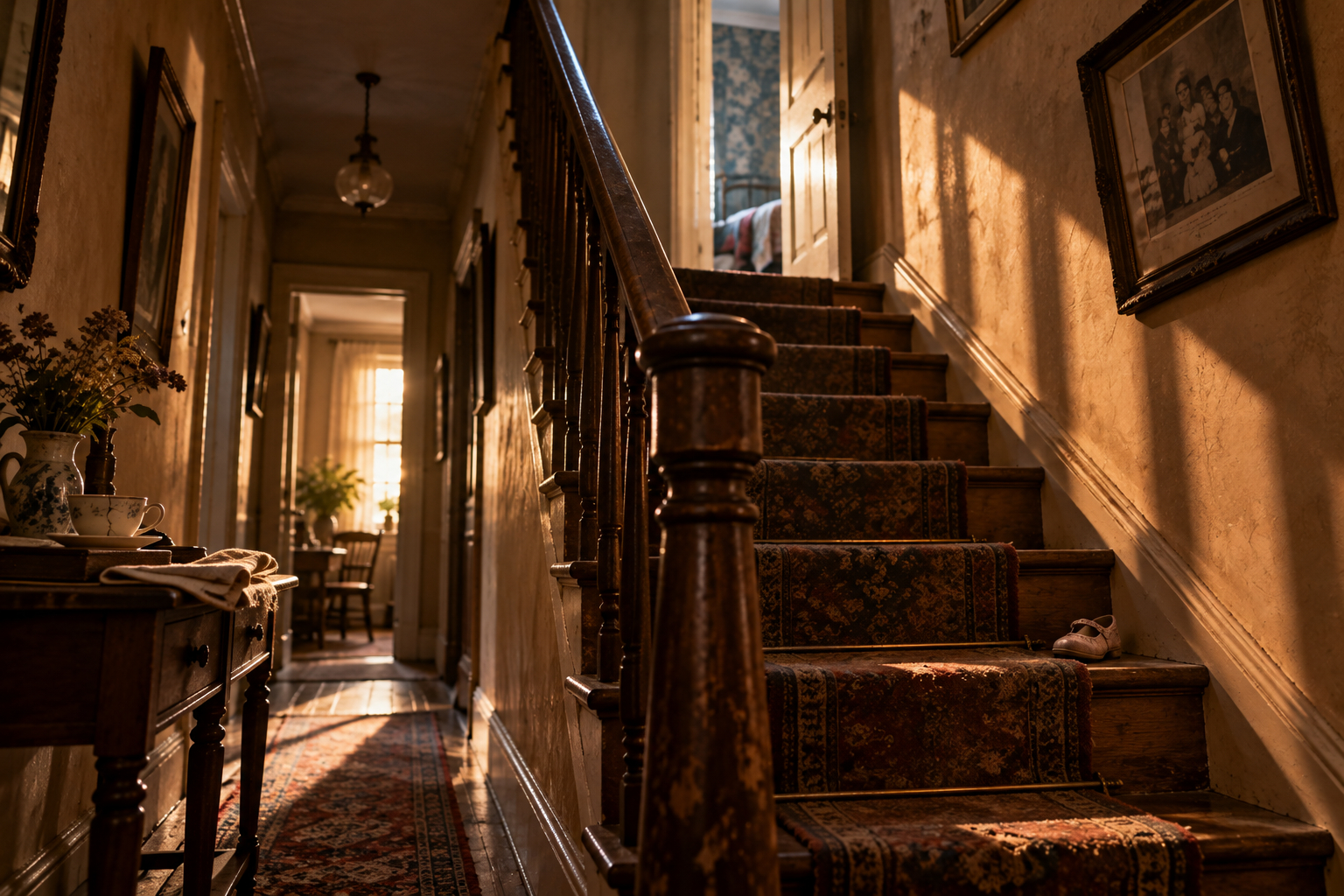
There’s a particular pleasure in opening a novel that treats a house like a witness — rooms that remember arguments, kitchens that hold grudges, porches where secrets are traded. These five novels use domestic space to press on a family’s seams, to slow-burn tension, or to let a quiet interior life tilt into something stranger. If you like books where the building matters as much as the people inside, start here.
We Have Always Lived in the Castle — Shirley Jackson
Shirley Jackson’s cult classic is compact and unnerving. Told in the voice of the eccentric Mary Katherine Blackwood, the novel folds claustrophobia and dark humor into a household cut off from a suspicious town. Jackson’s focus is intimate: small rituals, precise dialogue, and the way a single home can become both refuge and prison.
The Dutch House — Ann Patchett
Ann Patchett traces the long echo of a house on two siblings whose lives orbit that central property. It’s not a mystery so much as a study in attachment — how ownership, memory, and resentment live inside walls. Patchett writes with an elegiac sweep, making the house feel like a character that shapes choices across decades.
The Little Stranger — Sarah Waters
Set in a decaying manor after World War II, Sarah Waters’s novel blends social observation with a slow, eerie pressure. The house’s decline mirrors shifts in class and family dynamics, and Waters keeps readers off balance with an atmosphere that is part social novel, part uncanny study. The dread here accumulates through small, domestic details.
The Family Upstairs — Lisa Jewell
Lisa Jewell’s contemporary thriller ties a modern family’s collapse to a single townhouse where past misdeeds and unanswered questions refuse to stay buried. It’s propulsive but grounded in domestic scenes — a child’s room, a hidden letter, an ordinary hallway — that pivot the plot. If you want suspense that still feels intimately lived-in, this one delivers.
Housekeeping — Marilynne Robinson
Marilynne Robinson’s quietly luminous novel is about transience, memory, and the fragile architectures of home. It follows two sisters growing up in a remote Idaho town and asks what makes a house a home when everything else is slipping. Robinson’s prose is patient and observant; the book lingers in moments rather than events.
Conclusion
These books approach the domestic from different angles — gothic, elegiac, uncanny, suspenseful, meditative — but they share an interest in how houses hold histories and shape lives. Pick one depending on your mood: eerie and taut, broad and reflective, or sharply contemporary. Any of them makes a terrific evening companion for readers who like their stories intimate and atmospheric.