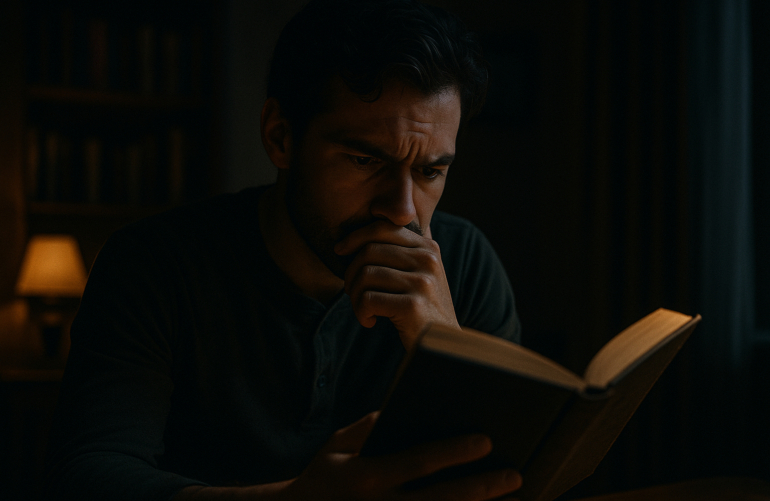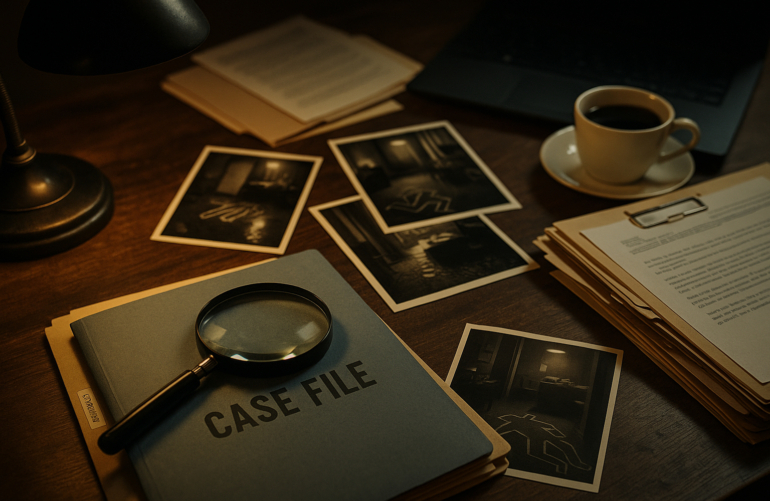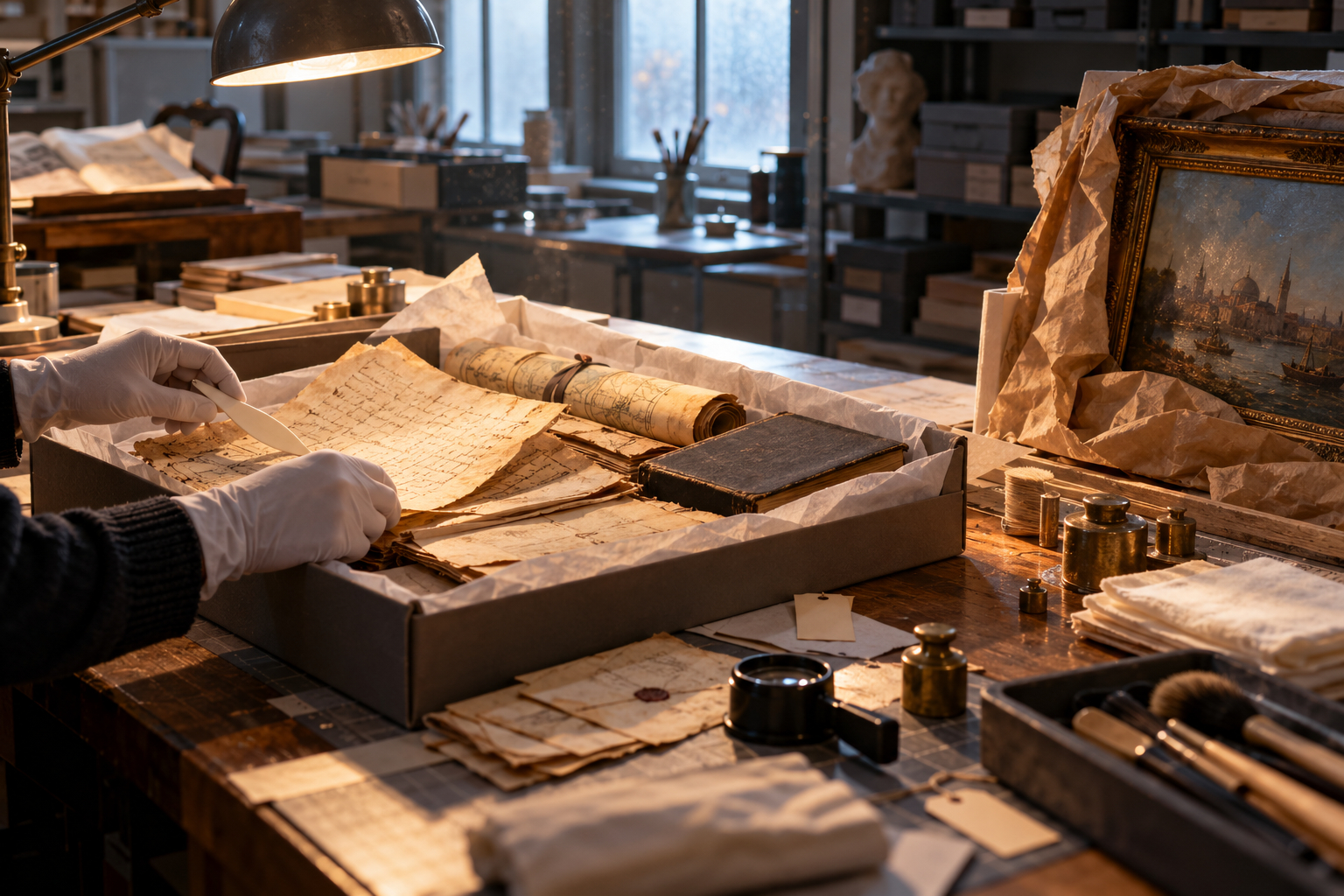
Some mysteries explode because of a person; others start because of one thing—an old book, a forgotten letter, a painting hidden in a loft. Those objects become anchors, pulling characters into lies, obsession, and danger. Below are six page-turners where a single physical item opens a door to a larger secret. Each reads differently—literary, gothic, psychological—but all reward attention to detail.
The Shadow of the Wind — Carlos Ruiz Zafón
At the heart of this Barcelona-set novel is a book rescued from the Cemetery of Forgotten Books. That discovery sends the narrator down a layered mystery about the book’s author, rival readers, and the ruins of postwar life. It’s atmospheric, melancholic, and full of bookish fever.
The Name of the Rose — Umberto Eco
Eco’s medieval mystery pivots on a forbidden manuscript and a library that’s almost a character itself. A cloistered setting, sharp intellectual puzzles, and the pressure around a single text make this a dense, satisfying hunt for readers who enjoy historical weight with their clues.
The Thirteenth Tale — Diane Setterfield
This one sends a biographer to an isolated house to learn the truth behind a famous writer’s life. Old manuscripts and family archives fuel the revelations here; the emotional core comes from how those paper records shape identity and memory.
Magpie Murders — Anthony Horowitz
Horowitz constructs a mystery inside a mystery: a novelist’s unsolved plot is embedded in a manuscript found by an editor. The device is playful and clever, and the physical book-within-a-book drives both the puzzle and the real-world consequences for those who read it.
The Silent Patient — Alex Michaelides
This psychological thriller centers around a striking painting created by a woman who then refuses to speak. The artwork becomes a focal point for obsession, and readers will find the tension ratchets up as layers of motive and memory are examined. (Minor spoiler alert: the painting’s meaning matters to the reveal.)
The Historian — Elizabeth Kostova
Letters, archival boxes, and old maps propel this literary hunt across Europe. Kostova builds dread through correspondence and relics that point toward a dark figure from the past—perfect for readers who like research, travel, and a slow accrual of menace.
Conclusion
If you enjoy mysteries that begin with a single tangible clue—a book, a letter, a painting—any of these six will give you a satisfying hunt, each in its own mood and setting. Pick by setting, tone, or the object that intrigues you most, and let that small thing pull you into the larger secret.