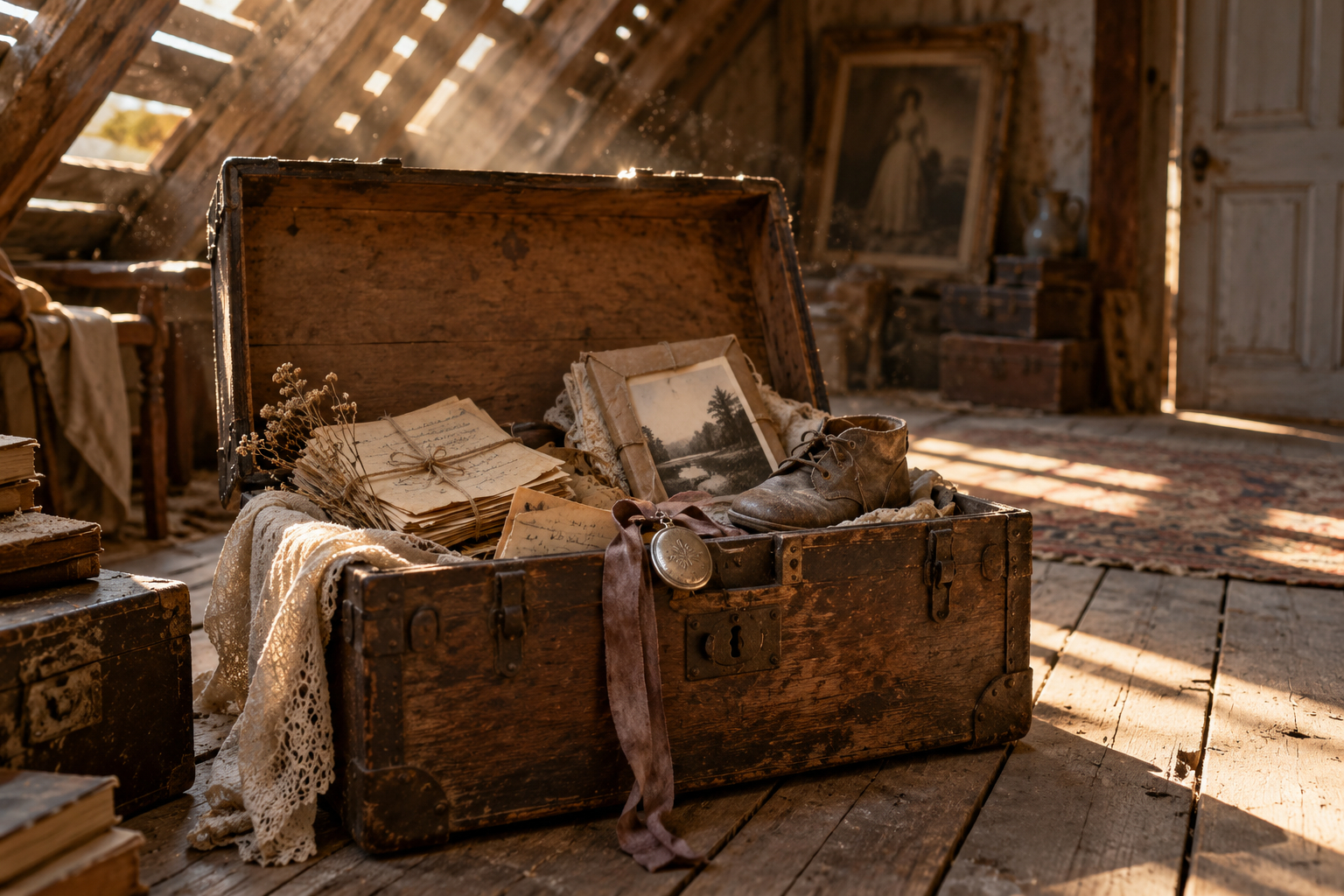
There’s something about inheriting a house, a trunk of letters, or even a single object that turns ordinary life into a long, slow pivot. The new possession is rarely just property; it arrives with people you never knew, histories you didn’t expect, and questions that won’t leave you alone. Here are five novels where a sudden legacy upends everyday rhythms and drags buried truths into the light.
The Dutch House — Ann Patchett
Ann Patchett traces decades of loyalty and grievance after siblings lose the house that shaped their childhood. The Dutch House itself becomes a character: a luminous, stubborn presence that haunts decisions and relationships. If you like family novels that hold both tenderness and hard edges, this one stays with you long after the last page.
The Little Stranger — Sarah Waters
Set in a faded country mansion just after World War II, Sarah Waters’ novel pairs social decline with creeping unease. The house has been inherited by a family whose fortunes are slipping, and the atmosphere — slow, meticulous, and increasingly strange — keeps you guessing whether the disturbance is psychological, social, or something else entirely.
The Thirteenth Tale — Diane Setterfield
Diane Setterfield’s story pivots on secrets bequeathed in narrative rather than in gold. A reclusive author summons a biographer to untangle a family’s past, and the revelations arrive like heirlooms: tarnished, surprising, unforgettable. It’s a book for readers who love atmosphere, gothic echoes, and the idea that stories themselves can be inherited.
We Have Always Lived in the Castle — Shirley Jackson
Shirley Jackson’s spare, uncanny novel follows two sisters who remain in the family home after a public tragedy. The house is both refuge and prison, and its ownership shapes the eerie quiet of daily life. Jackson’s prose is economical but chilling — a paean to how inheritance can isolate as much as it preserves.
The House at Riverton — Kate Morton
Kate Morton builds a novel around memory, loyalty, and the long aftermath of events that took place in an English country house. Told through the eyes of an elderly woman who once worked there, the story unspools like a box of photographs: small details unlocking wider consequences. It’s satisfying if you enjoy mysteries wrapped in family history.
Conclusion
If you’re drawn to houses that hold grudges, trunks that hum with secrets, or legacies that rewrite a life, any of these novels will do the work: they show how a single inheritance can rearrange the map of a life and keep readers turning pages to see where the new borders will be drawn.