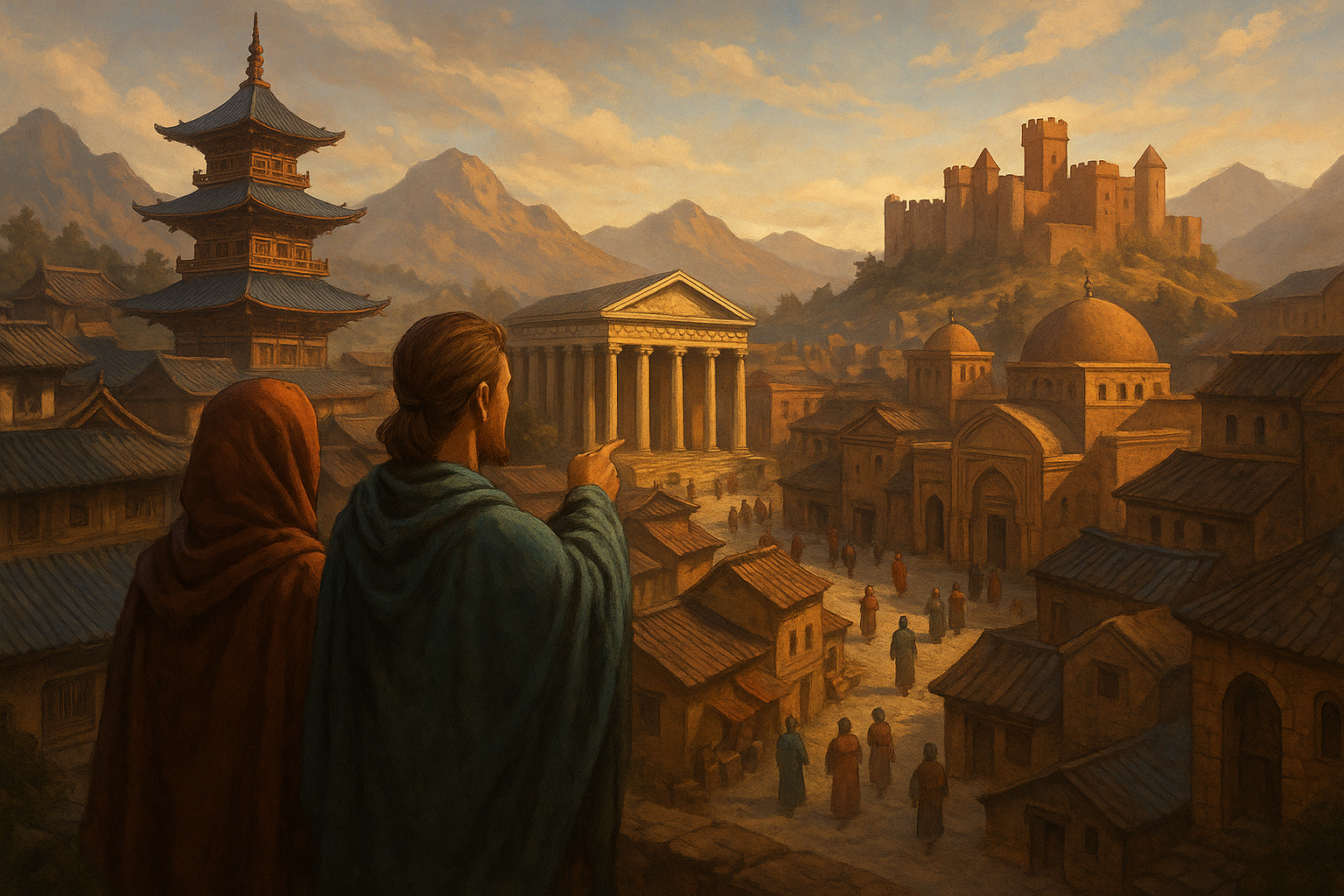
Every fictional world—whether set in a distant galaxy, a mythical kingdom, or a modern city—is shaped by the cultural lens of its creator. Writers draw from traditions, beliefs, social norms, history, and geography to craft immersive narratives that feel rich and authentic. Cultural context doesn’t just decorate a story; it forms its foundation, influencing everything from character behavior to worldbuilding details.
Culture as the Blueprint of Worldbuilding
When authors build fictional societies, they often anchor them in real cultural elements—languages, rituals, clothing, values, and power structures. These details give a world its depth and make it believable. Even in fantastical settings, cultural cues help readers make sense of how the world works. A kingdom shaped by warrior traditions will have different conflicts and social expectations than one rooted in scholarly philosophy.
Character Motivations Rooted in Cultural Values
A character’s choices rarely exist in a vacuum—they’re shaped by the norms around them. Cultural context explains why a hero refuses to break a sacred law, why a villain feels entitled to power, or why a community fears outsiders. Writers who understand these dynamics create more layered and compelling characters who feel grounded and real.
Conflict and Plot: Born from Cultural Tension
Many of literature’s greatest stories emerge from cultural clashes—tradition vs. progress, individualism vs. collectivism, or the struggle between old beliefs and new ideologies. These conflicts enrich plotlines and reflect real-world dynamics. By exploring tensions within or between fictional cultures, authors mirror familiar human struggles while expanding them into imaginative landscapes.
The Reader’s Experience: A Window Into New Worlds
Cultural context allows readers to step outside their everyday lives and see the world through someone else’s perspective. Whether the culture is entirely invented or inspired by real societies, it expands the reader’s understanding of human experience. This is why diverse cultural influences in fiction make storytelling more vibrant, relatable, and impactful.
Conclusion
Culture is the invisible engine behind every fictional world. It shapes characters, influences conflict, and brings depth to the narratives readers love. When writers thoughtfully weave cultural context into their stories, they create worlds that feel alive—worlds that both reflect reality and expand imagination.