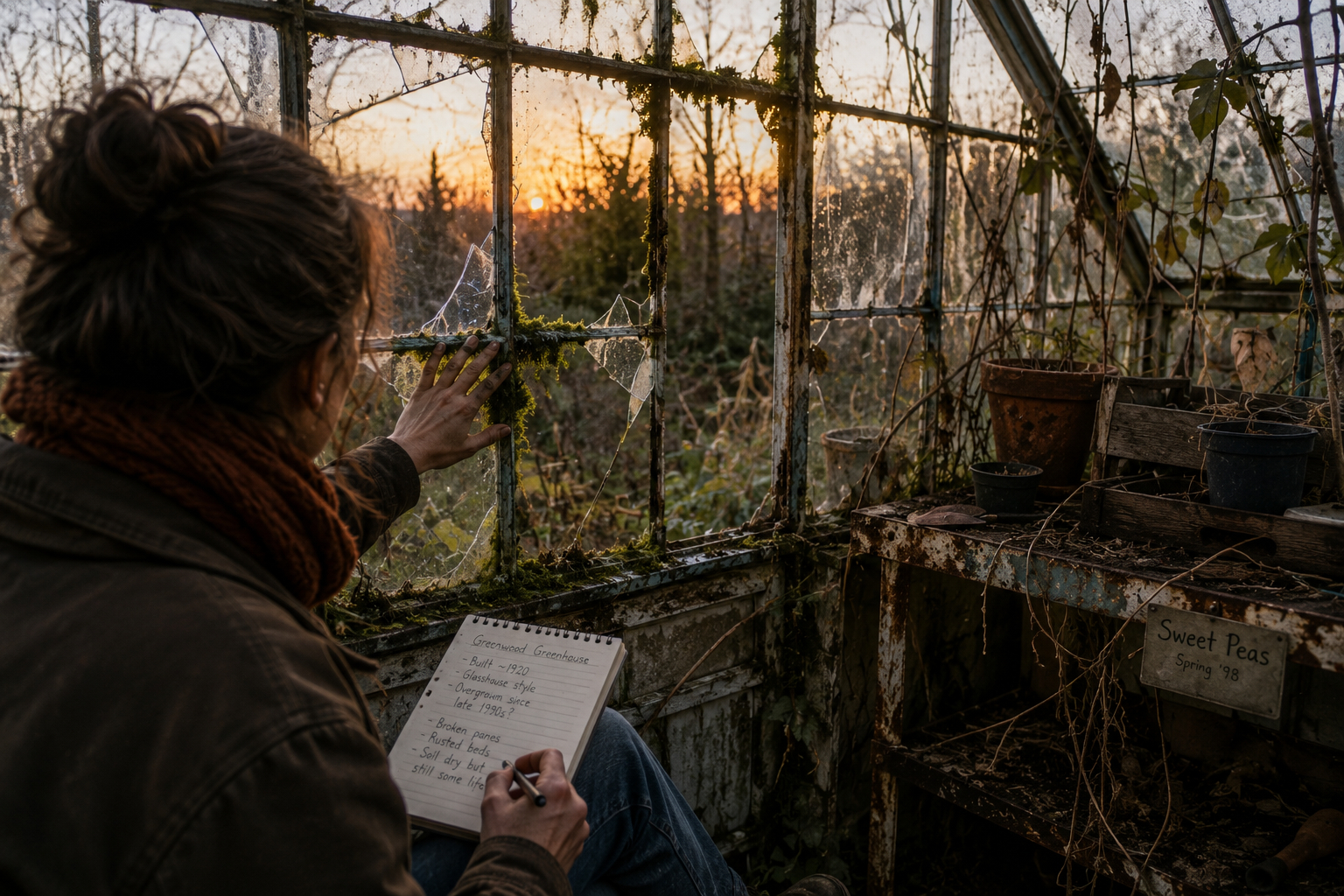
Setting does more than decorate scenes; it can steer the reader’s attention, shape character choices, and carry emotional weight. When a writer treats place as an active element, small details become resonant and the story’s stakes feel lived-in. This piece outlines practical ways to make setting propel plot and deepen theme without overloading description. The goal is to help writers choose and refine the environmental choices that make short fiction feel inevitable and true.
Setting as Character
Think of setting as a cast member whose behavior affects the plot. A bus depot, a broken greenhouse, or a farmhouse at dusk can influence what characters do, reveal, or avoid. Rather than naming every feature, show how the location acts upon people: it forces a character to wait, it muffles a scream, it makes a confession feel more intimate. This approach turns background into an engine for narrative choices and conflict.
To use setting as character, ask how place pushes or constrains the protagonist. Let the location create obstacles and opportunities that feel organic to the story.
Selective Sensory Detail
Not every sensory impression is necessary; the trick is to pick details that echo theme or emotion. A single recurring smell, a texture underfoot, or a specific light quality can signal time, memory, or mood. These cues work best when they repeat or shift to mark emotional arcs without heavy exposition. The reader will fill in the rest if the chosen details are vivid and purposeful.
- Choose details that tie to character history or conflict.
- Prefer concrete images over abstract adjectives.
- Let sensory shifts mirror internal change.
Use restraint: a few strong, layered details create atmosphere without slowing the narrative. Repetition and variation of those details will bind setting to feeling.
Setting and Story Movement
Settings can structure time and reveal choices by limiting or expanding possibilities. Moving a scene from cramped interior to open field, or introducing weather as a complicating factor, provides natural beats for turning points. Consider how physical constraints encourage specific actions—doors that stick, a fading phone battery, a train schedule—and use them to justify decisions. This ensures plot developments arise from the world you’ve built rather than from coincidence.
Think of scenes as negotiations between character intent and environmental reality. When setting forces a compromise or a reveal, stakes feel earned and inevitable.
Conclusion
Intentional settings make short stories feel grounded and purposeful. By treating place as active, choosing pointed sensory details, and letting environment shape choices, writers can deepen theme and propel plot. Practice narrowing your focus so setting earns its weight in every scene.