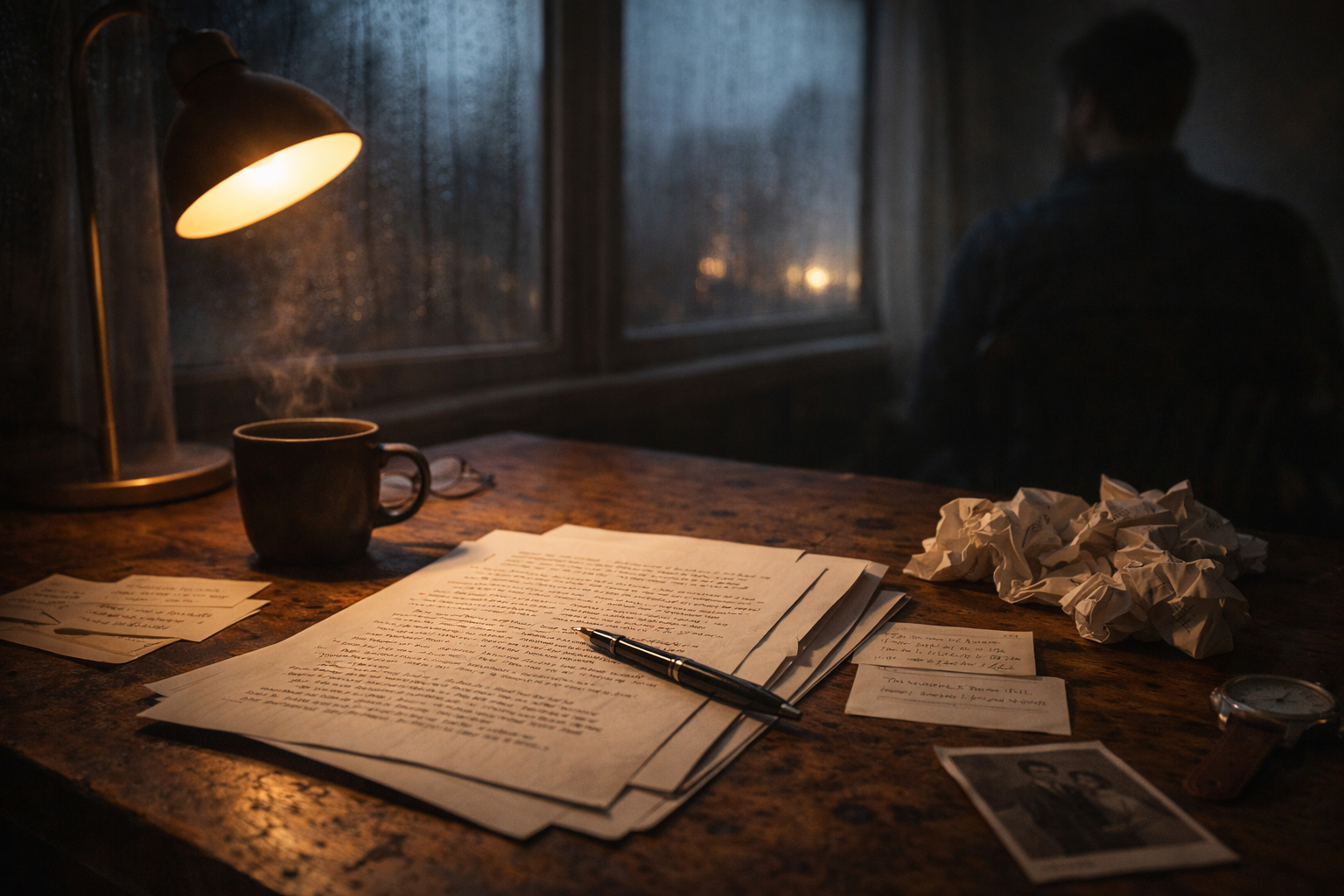
Short fiction thrives on precision and emotional impact. By concentrating atmosphere and tension, a story can feel larger than its length. This article outlines practical methods to build mood and escalating stakes without excess exposition. Writers can apply these approaches to sharpen focus and deepen resonance.
Set the Scene with Economy
Begin by selecting one or two concrete details that suggest a larger world. Avoid catalogues of description; instead choose images that carry emotional weight and hint at history or conflict. Those select details give readers a foothold and make the setting feel lived in without slowing the narrative. When every line matters, economical choices amplify both scene and subtext.
Trim descriptions that repeat what action already conveys. Let setting arise from character behavior and decisions. This keeps the pace taut while sustaining atmosphere.
Use Sensory Detail to Anchor Mood
Sensory cues — sounds, smells, textures — are short fiction’s fastest mood-makers. A single persistent smell or a recurring sound can thread scenes together and underscore emotional tone. Use sensory detail selectively, so it signals rather than overwhelms, and choose sensations that reflect the protagonist’s inner state. When those cues recur, they reinforce tension through association.
Pair sensory anchors with small gestures to deepen connection. These elements create a texture readers remember after the story ends.
Control Pacing to Build Tension
Pacing is a structural tool for tension: vary sentence length, scene duration, and paragraph breaks to modulate urgency. Short, clipped sentences accelerate momentum during confrontations; longer, measured phrasing lets readers absorb consequences. Scene transitions can compress time or stretch it, depending on where you want focus. Deliberate pacing steers emotional crescendos and reserves surprises for maximum effect.
Revise with pacing in mind, cutting anything that diffuses suspense. Tightness often equals impact in short forms.
Let Character Reveal the Stakes
In short fiction, stakes are most persuasive when revealed through character choices rather than exposition. Show what a protagonist risks by depicting small, telling decisions and their consequences. Inner conflict and visible compromises make threats personal and immediate, which heightens tension. Readers care about what characters stand to lose more than abstract plot escalations.
Anchor tension in desire and fear, and let actions illuminate what truly matters. This keeps empathy central and momentum natural.
Finish with a Resonant Image
A concluding image or detail can echo earlier elements and give the ending emotional continuity. Aim for a final line that reframes the story or deepens its mystery without resolving everything. Such an image leaves readers with lingering questions or a clear emotional impression, which is ideal for short fiction’s concentrated form. A resonant close turns craft into an experience readers carry forward.
Choose an image tied to character or theme for greatest effect. Subtlety often outperforms explanation in the last lines.
Conclusion
Layer atmosphere through selective detail, sensory cues, and controlled pacing. Build tension by tying stakes to character choices and finishing on a resonant image. These techniques help short fiction feel both tight and richly felt.