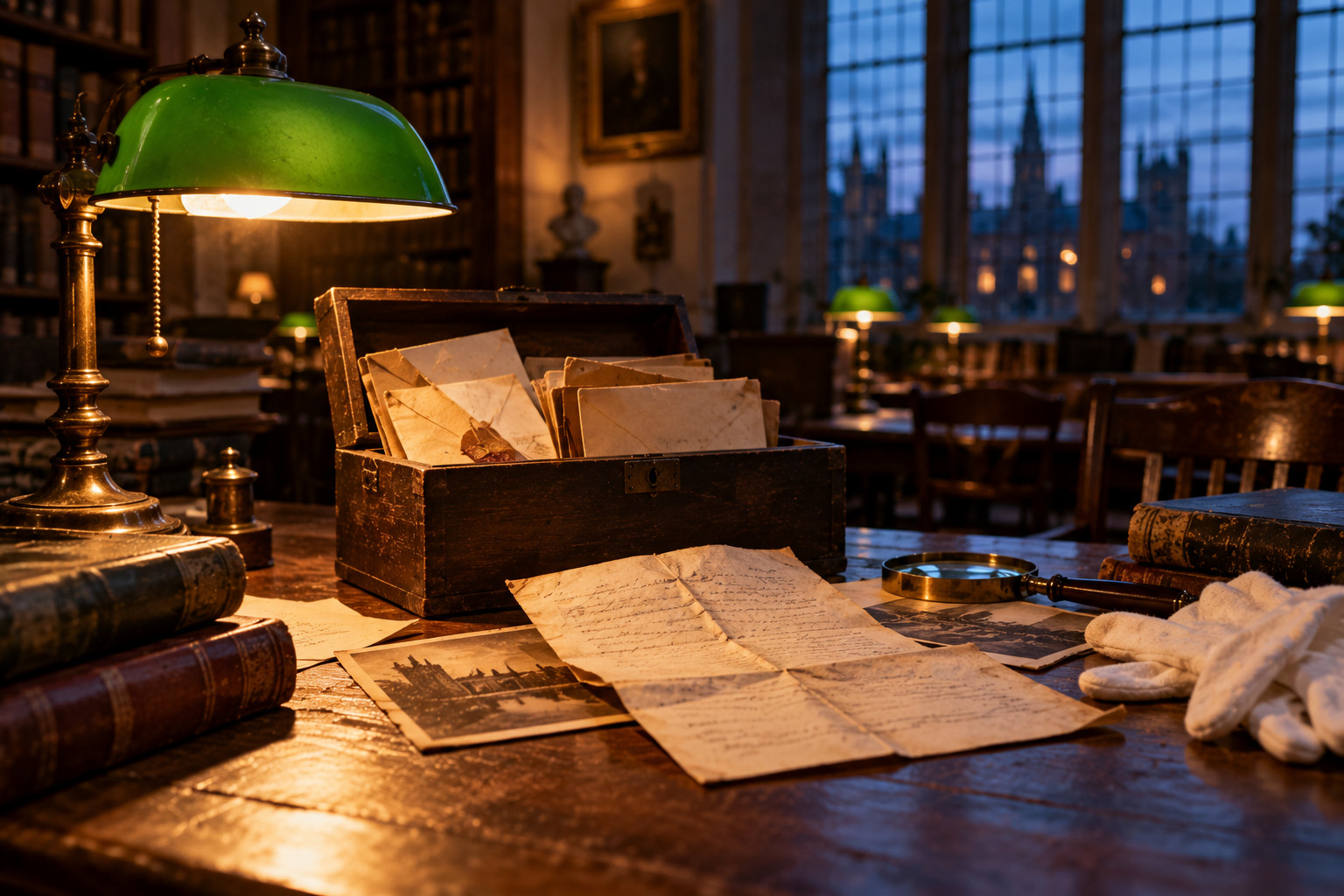
Sometimes a story begins with something small: a folded letter left in a drawer, a careless photograph tucked behind a book, a found journal whose margin notes refuse to stay private. These quiet objects are the first click of a lock—an ordinary thing that rattles a whole life. Here are novels where a tiny discovery sets everything in motion.
Possession — A.S. Byatt
Two modern scholars chasing the lives of Victorian poets find letters and manuscripts that reshape both their research and their relationships. Byatt layers scholarship, romance, and a slow excavation of secrets; readers who like literary puzzles and richly drawn period detail will enjoy how the texts-within-the-text change how characters see one another.
The Sense of an Ending — Julian Barnes
A brief note and an old diary force a retired man to revisit memories he thought settled. Barnes writes with crisp, controlled sentences; the moral ripple from that small envelope is the point, not a plot twist. Expect an intimate, reflective probe of memory and responsibility. (Minor spoiler warning: the book examines memory itself.)
The Guernsey Literary and Potato Peel Pie Society — Mary Ann Shaffer & Annie Barrows
This epistolary novel is built entirely of letters. A writer’s correspondence with island residents after World War II turns into a portrait of resilience, friendship, and how a few handwritten pages can stitch a community together. It’s warm, funny, and gently wise—ideal for readers who love character through voice.
The Thirteenth Tale — Diane Setterfield
A reclusive author summons a biographer with a stack of confessions and family records. Setterfield leans into gothic atmosphere and family mystery; the unearthed documents are less about forensic proof and more about storytelling’s power to reshape identity. The mood is deliciously antique and slightly uncanny.
The Historian — Elizabeth Kostova
Letters and archival fragments lead a young scholar into a literary-historical chase across Europe. Kostova blends scholarship and suspense, using found documents to open doorways into legend and obsession. The pace builds as correspondence piles up, making discovery itself feel like a slow, inevitable hunt.
The Shadow of the Wind — Carlos Ruiz Zafón
A boy discovers a forgotten book in Barcelona’s Cemetery of Forgotten Books, and that single choice unspools a layered, atmospheric mystery. Zafón mixes bookstore romance, noirish tension, and a devotion to books as talismans—perfect if you love stories that begin with a curious object and then bloom into something larger.
Conclusion
If you like your plots to start small and gather force, these novels show how a single artifact—a letter, photograph, or book—can tilt a life and pull a reader along. Pick one up and notice how the tiniest discovery can open the whole world of a novel.