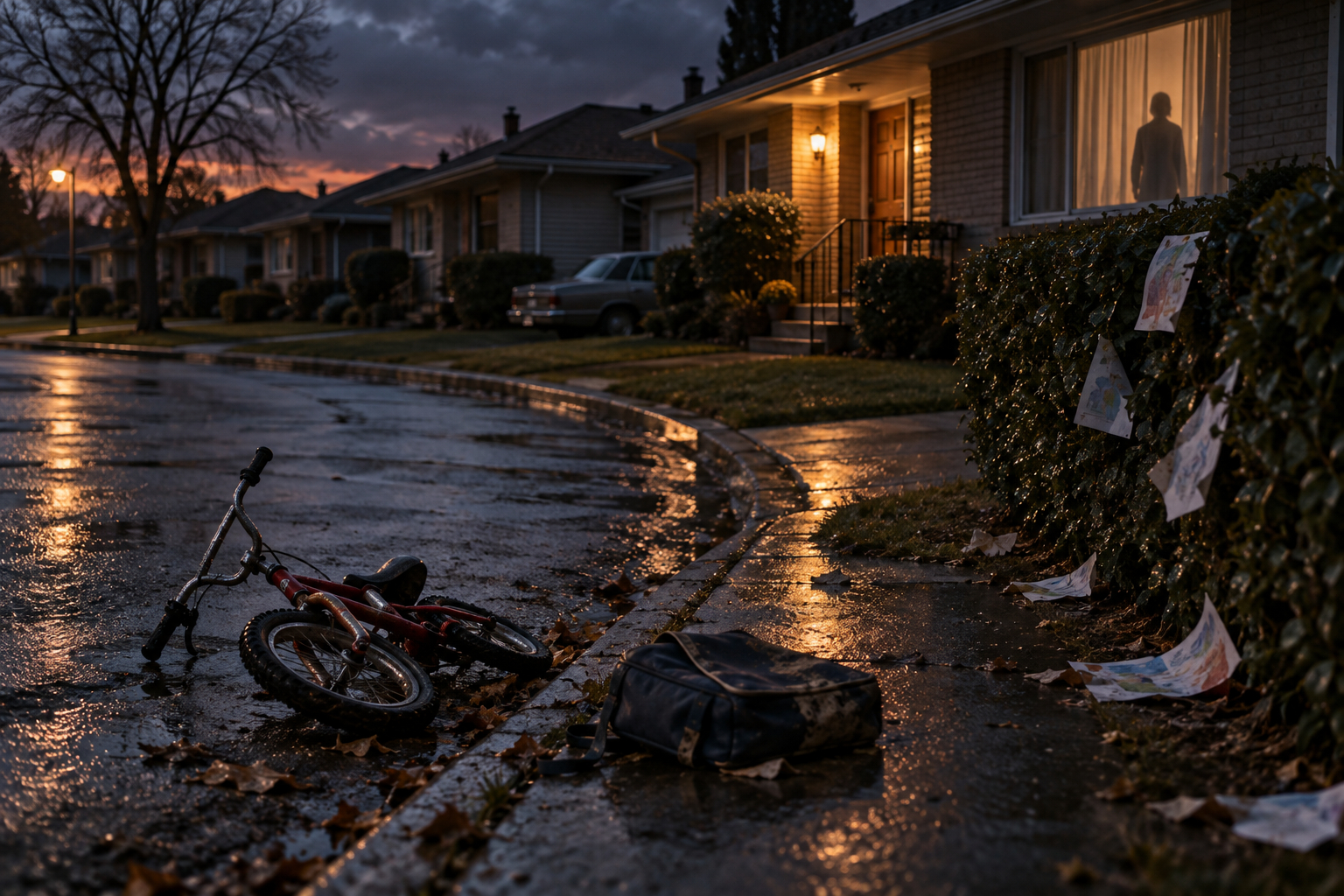
There’s a special kind of unease that comes from ordinary homes with extraordinary silences. These five novels live in that pocket between polite suburban life and something quietly wrong next door — a dropped detail, a rumor that refuses to die, a house that won’t stop remembering.
We Have Always Lived in the Castle — Shirley Jackson
Jackson’s spare, uncanny tale centers on two reclusive sisters and their cousin in an old house that the town gossips both fear and pity. The narrator’s calm, odd logic makes the household itself feel like a character; tension grows not from spectacle but from chillingly domestic rituals and the way the community circles the house like vultures. If you like dread folded into everyday moments, this one lingers.
The Little Stranger — Sarah Waters
Set in a decaying country home after World War II, Waters’ novel threads class, memory, and the slow unravelling of a family. It’s not a haunted-house story in the obvious sense; rather, the house’s atmosphere and the neighbors’ interventions do the haunting. The prose is patient, and the discomfort builds through small, precise observations.
The Family Upstairs — Lisa Jewell
Jewell spins a modern domestic mystery about an inherited house, a locked room, and residents whose pasts refuse to stay buried. The novel moves through different perspectives, revealing how decisions made behind closed doors ripple outward. It’s propulsive but rooted in ordinary details — school runs, bills, neighborhood dynamics — that make the revelations land harder.
Our House — Louise Candlish
Candlish turns neighborly envy into a private catastrophe. When a man disappears and his house is sold from under his family, the accusations and whispers start on the cul-de-sac and swell into legal and moral entanglement. It reads like a domestic thriller with its feet planted firmly in the texture of everyday life: turf wars, renovations, and the ways people perform normality.
Everything I Never Told You — Celeste Ng
Ng’s debut is a quieter entry in this list but no less riveting. The novel examines a family in a small Ohio town after a daughter’s death, and in doing so reveals how neighbors’ assumptions and private resentments shape a household’s fate. The writing honors small, telling details — a missed call, a lingering glance — and shows how ordinary pressures can have extraordinary consequences.
Conclusion
These books reward readers who enjoy noticing: the neighborly glance that lasts too long, the house that remembers every argument, the rumor that reshapes a community. They’re not about loud thrills but about how ordinary lives can tilt into something stranger and harder to forget.