Some novels start with a house and then the house quietly takes over the story. The rooms keep histories, the floors hold grudges, and the layout becomes a character that nudges choices, memories, and lies into view. If you like fiction where domestic spaces carry mood as much as plot, these five books treat homes as weather, witness, or trap—each with its own emotional gravity.
We Have Always Lived in the Castle — Shirley Jackson
Jackson’s spare, uncanny novel centers on two sisters and the house that isolates them from a hostile town. The domestic world is tightly observed: rituals, small comforts, and a growing claustrophobia that colors every scene. It’s eerie without ornate explanation—perfect if you want a mood that settles under your skin.
The Dutch House — Ann Patchett
Patchett follows siblings whose identities orbit a single, elegant house. Told over decades, the book treats the home as a ledger of memory: wrongs recorded, small gestures amplified, and inheritance stretching beyond money. It’s a quiet family saga where the house holds the echoes that keep people tethered to the past.
Housekeeping — Marilynne Robinson
Robinson’s novel reads like a long exhale: a lakeside town, a transient way of living, and rooms that seem to float between abandonment and care. The house here is both refuge and reminder—intimate, lyrical, and often untidy with loss. The prose itself pampers domestic detail in a way that rewards slow reading.
The Little Stranger — Sarah Waters
A postwar English manor becomes the site of social change, creeping unease, and a strange sense of encroachment. Waters combines social observation with a Gothic tilt, making the house feel stubbornly present—old architecture resisting new realities. Read this for simmering dread rather than overt shock.
The Thirteenth Tale — Diane Setterfield
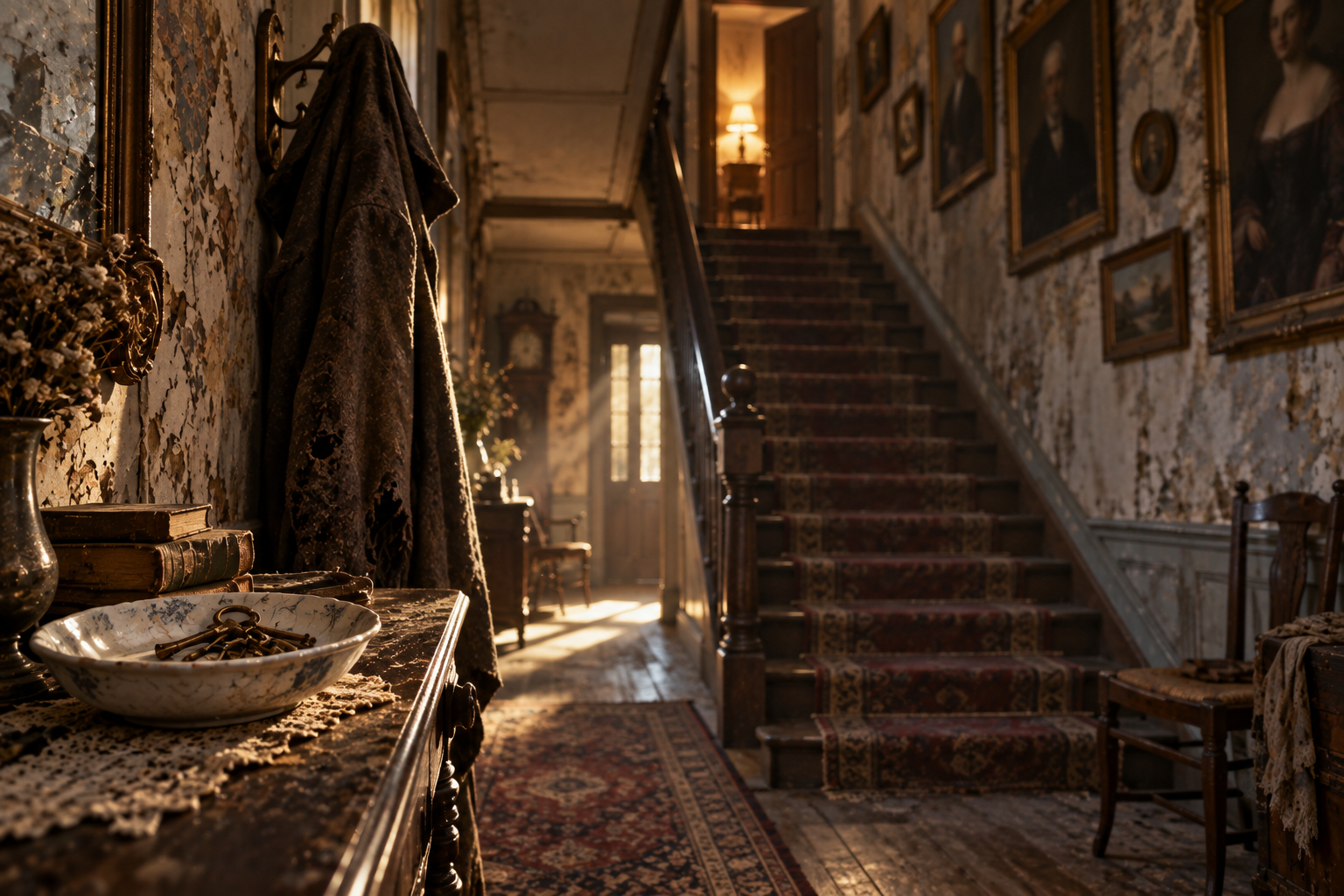
This novel leans into storytelling as a means to unlock an old mansion’s mysteries. A reclusive author, a biographer, and a crumbling house full of dust and portraiture drive a narrative about memory and reinvention. It’s atmospheric and page-turning, with the house supplying the kind of secrets that beg to be told.
Conclusion
Each of these books shows how a domestic setting can do more than decorate a tale: it can define character, hold history, and change the shape of a story. If you enjoy fiction where rooms remember what people prefer to forget, start with the one that matches the mood you want—eerie, elegiac, or quietly combustible.