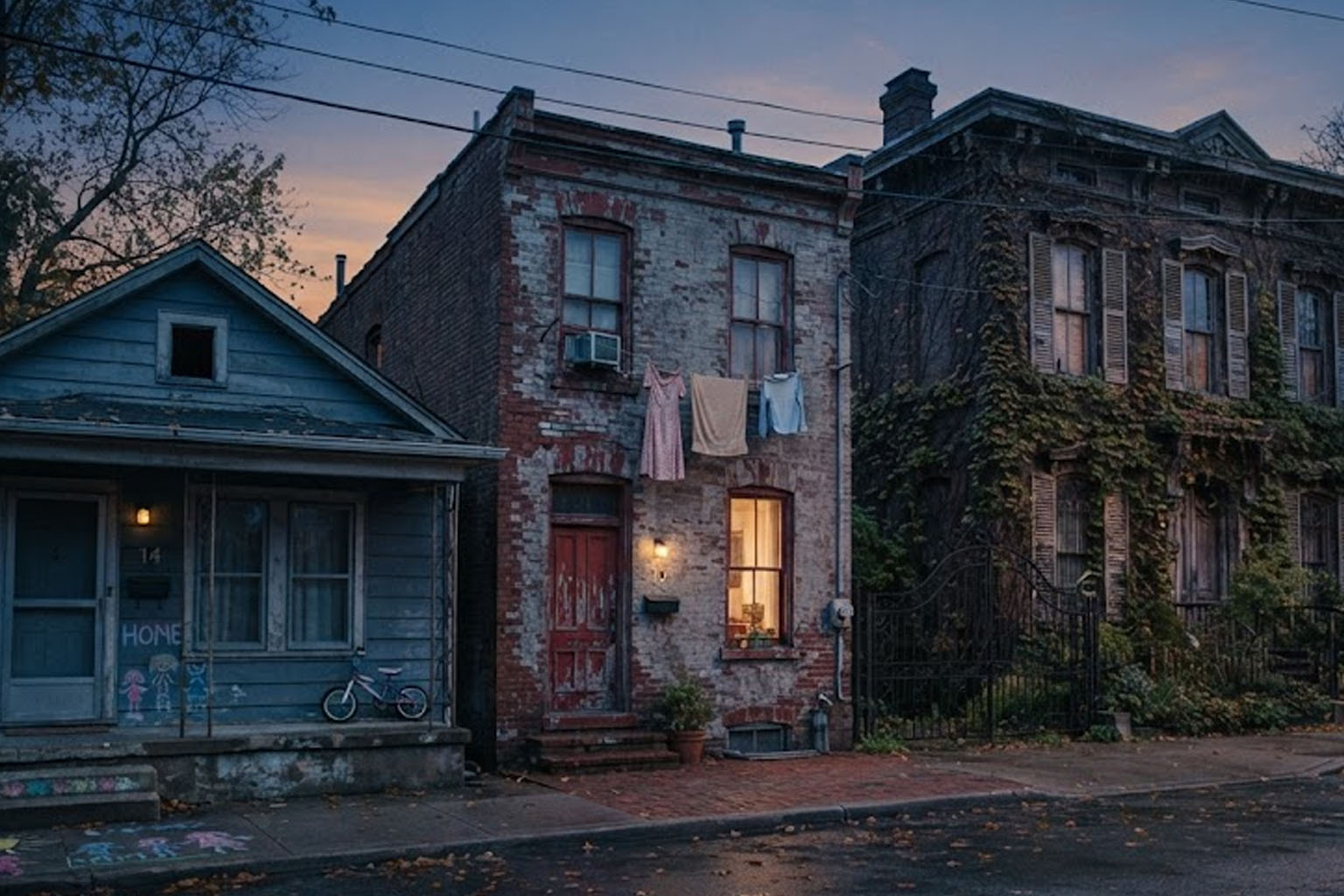
Homes That Keep Secrets
Some novels treat houses like props; others make them active, stubborn characters. These six books use homes—mansions, apartment blocks, modest first houses—as places where memory, class, grief, and guilt collect. If you like stories that unfold around a single location and reveal how people are shaped by the roofs over their heads, start here.
The Dutch House — Ann Patchett
Patchett’s novel traces two siblings and the house that anchors their exile and return. The Dutch House is a physical possession and a ledger of resentment, a place that holds everything that happened and refuses to let its inhabitants forget. It’s elegiac without being sentimental.
The Haunting of Hill House — Shirley Jackson
Less about jump scares and more about claustrophobic atmosphere, Jackson’s classic makes Hill House itself the unsettling center. The architecture, the strange noises, and the way solitude bends the mind all add up to a story where the house exerts pressure on everyone who crosses its threshold.
The Little Stranger — Sarah Waters
Set in postwar England, Waters’ novel observes a declining manor and the family still clinging to it. Supernatural suggestion and social decay fold together, so you’re never sure whether the house is haunted by a spirit, by history, or by the stubborn habits of class.
The House of the Spirits — Isabel Allende
This multigenerational saga places a single family home at the heart of political and personal upheaval. Magic realism softens edges while the house records births, deaths, and quiet rebellions. The building becomes a kind of family memory box—full, messy, and impossible to close.
The House on Mango Street — Sandra Cisneros
Cisneros’ linked vignettes center on a young girl’s relationship to her first real home and the ways a house can be a symbol of both limitation and aspiration. Short, lyrical, and immediate, it’s a portrait of how a space shapes identity.
Rebecca — Daphne du Maurier
At Manderley, the second Mrs. de Winter finds herself living in the shadow of the house’s former mistress. (Minor spoiler: the house preserves the past in unsettling ways.) Du Maurier’s novel blends gothic atmosphere and social psychology, with the estate acting almost like a jealous memory.
Conclusion
If you’re drawn to settings that act like characters, these novels offer different spins: haunted, nostalgic, political, domestic, and quietly menacing. Pick one based on whether you want lyric brevity, gothic chill, or a sweeping family chronicle—and let the house do the storytelling.