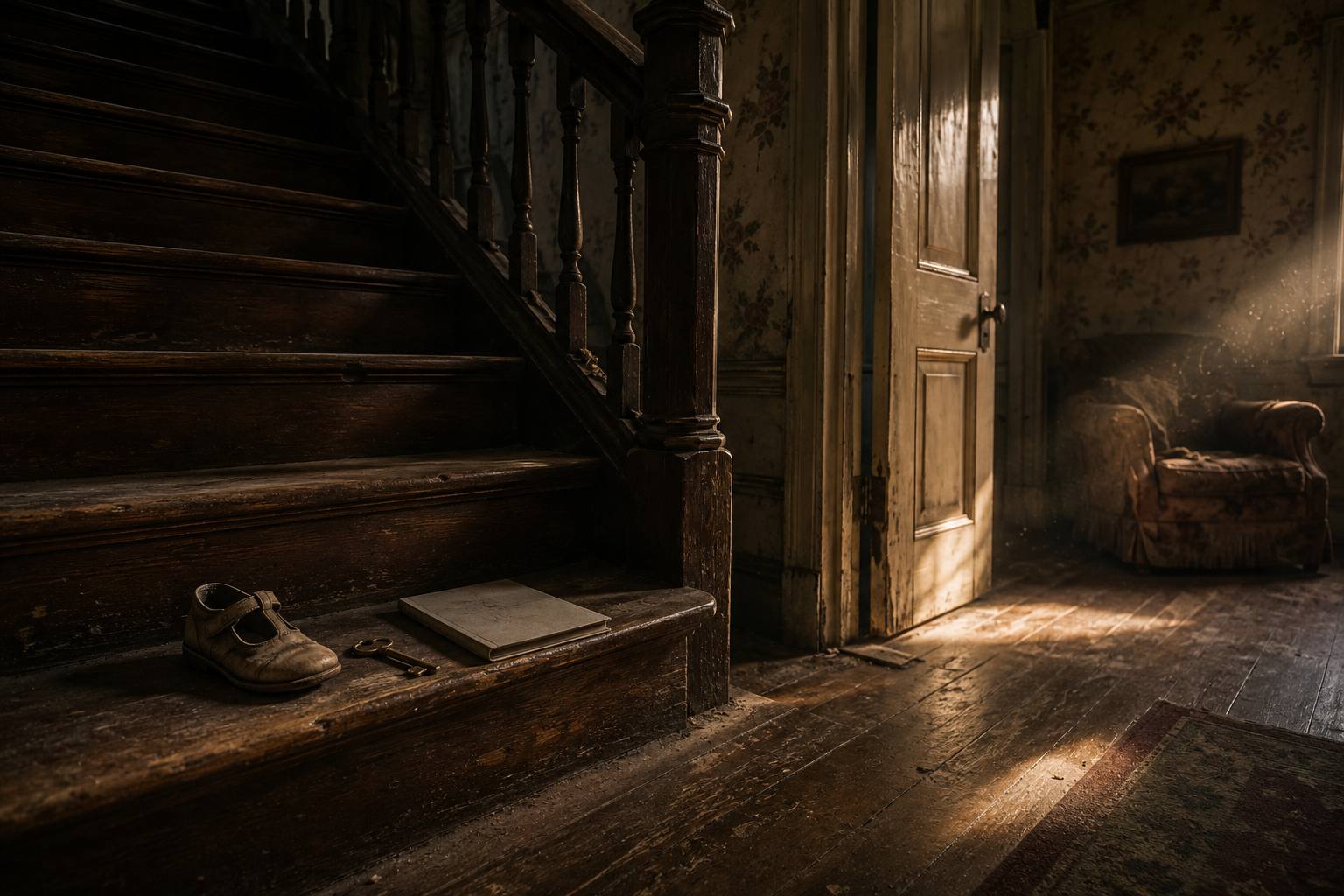
Homes do more than shelter characters; in certain novels they archive quarrels, choices, and the slow accretion of meaning. If you like stories that listen to floorboards, cupboard doors, and the hush of rooms after everyone has gone, try these six novels. Each one treats a house or household as a character in its own right—holding grudges, holding memories, sometimes holding truths that only reveal themselves in the margins.
The Dutch House — Ann Patchett
Patchett traces siblings whose lives orbit a grand suburban house long after they’re forced to leave it. The building becomes a ledger of loyalty, resentment, and stubborn attachment. Patchett’s prose balances sympathy with a clear-eyed look at how the past refuses easy closure.
We Have Always Lived in the Castle — Shirley Jackson
This compact, uncanny novel centers on two sisters and their isolated home, a place both refuge and prison. Jackson renders domestic oddity with an economy that makes the quiet feel threatening. The atmosphere hangs on small details—a locked kitchen, a closed-off garden—and on a narrator who slowly reveals how the household sustains itself.
The Little Stranger — Sarah Waters
Set in a fading country house after the war, Waters blends social observation with a slow, insistent eeriness. The house’s decaying rooms mirror shifting class structures, and the novel keeps you guessing whether the unease is psychological, social, or something else entirely.
Everything I Never Told You — Celeste Ng
(Minor spoiler) Ng begins with a household catastrophe and then widens the lens to examine race, expectation, and the ways family members live in one another’s silences. The home scenes—kitchen arguments, bedroom confessions—are the book’s quiet engine, each room revealing another layer of withheld feeling.
The Light Between Oceans — M.L. Stedman
A remote lighthouse becomes the moral heart of this novel, where isolation intensifies every decision. Stedman writes with tenderness about how a single home can contain longing, fear, and choices that ripple far beyond its windows. The setting amplifies the novel’s ethical questions without ever feeling merely scenic.
Homegoing — Yaa Gyasi
Gyasi’s powerful debut follows family lines across generations and continents, and the homes along the way—huts, plantations, city apartments—hold the legible traces of history. Rather than one house, the book shows how houses together keep a family’s buried stories alive, sometimes in plain sight.
Conclusion
If you enjoy fiction that lingers in rooms and listens to what objects imply, these novels reward that attention. They ask you to read the furniture, the hallways, and the ways everyday spaces are shaped by choices large and small.