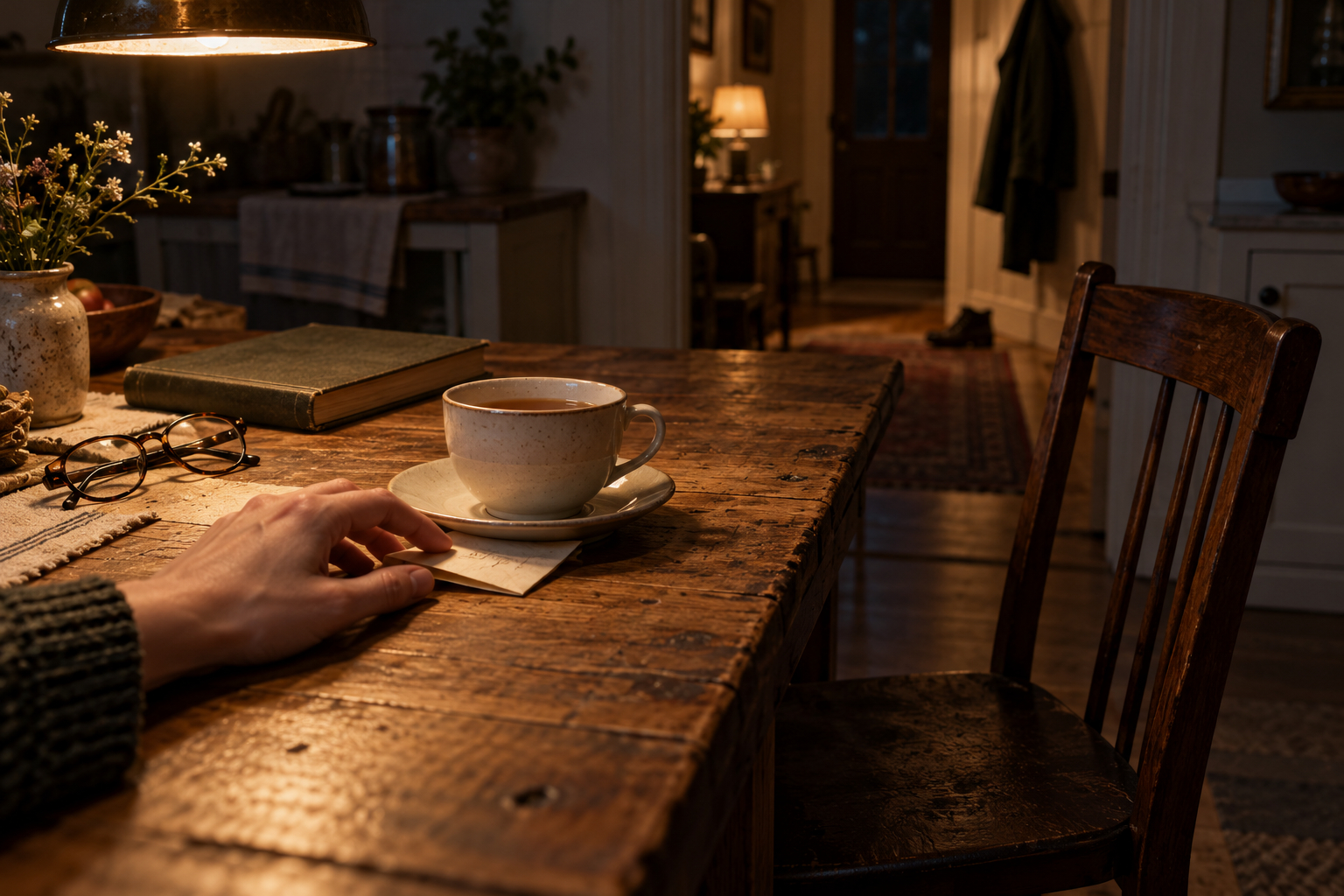
Some novels live loud and fast; others do their work in whispers. These are the books where a folded note, a withheld smile, or a late-night decision tilts a life. They reward close attention: a passing line, a gesture that looks ordinary at first and then refuses to let go. If you like stories where domestic detail holds pressure like a pinprick, try one of these.
The Remains of the Day — Kazuo Ishiguro
Steeped in restraint, this novel follows Stevens, an English butler whose manners and choices measure out a lifetime. Ishiguro shows how missing a single conversation or failing to speak up can calcify into regret. The book’s power comes from the small duties and silences that, together, define a man’s world.
The Sense of an Ending — Julian Barnes
Caleb’s memory is selective, and Barnes uses that selectivity to dramatic effect. What seems like a brief omission or a forgotten letter becomes the hinge of the story. Note: minor spoiler — the novel asks you to reconsider what a single misremembered event might mean for the rest of a life.
We Have Always Lived in the Castle — Shirley Jackson
Jackson builds unease out of household routines. Two sisters maintain rituals in a decaying house while the village watches. The small domestic acts—tea brought at the right time, doors locked in a certain way—become a private language that both protects and isolates them.
The Little Stranger — Sarah Waters
Waters combines class anxiety with the uncanny inside a crumbling country house. The novel pays close attention to the ordinary: curtains, stair treads, a late-night encounter in a corridor. Those details accumulate until the house itself feels like a character, responding to small disturbances.
Olive Kitteridge — Elizabeth Strout
More a patchwork than a single plot, Strout’s linked stories show how brief exchanges—an offhand remark, a look across a grocery aisle—shape years of relationships. Olive’s blunt moments and surprising gentleness are reminders that compassion and cruelty can live in the same small act.
The Dinner — Herman Koch
Set over a single meal, Koch’s novel leans on what characters do not say. A casual pause, a seemingly practical suggestion, and a choice made for convenience spiral outward. It’s a chilling look at how easy it is for ordinary people to rationalize extreme decisions.
Conclusion
These books reward patience: they ask you to watch the small things and trust that ordinary moments will reveal larger truths. If you enjoy stories that gather quiet details into something unforgettable, any of these will stay with you long after the last page.