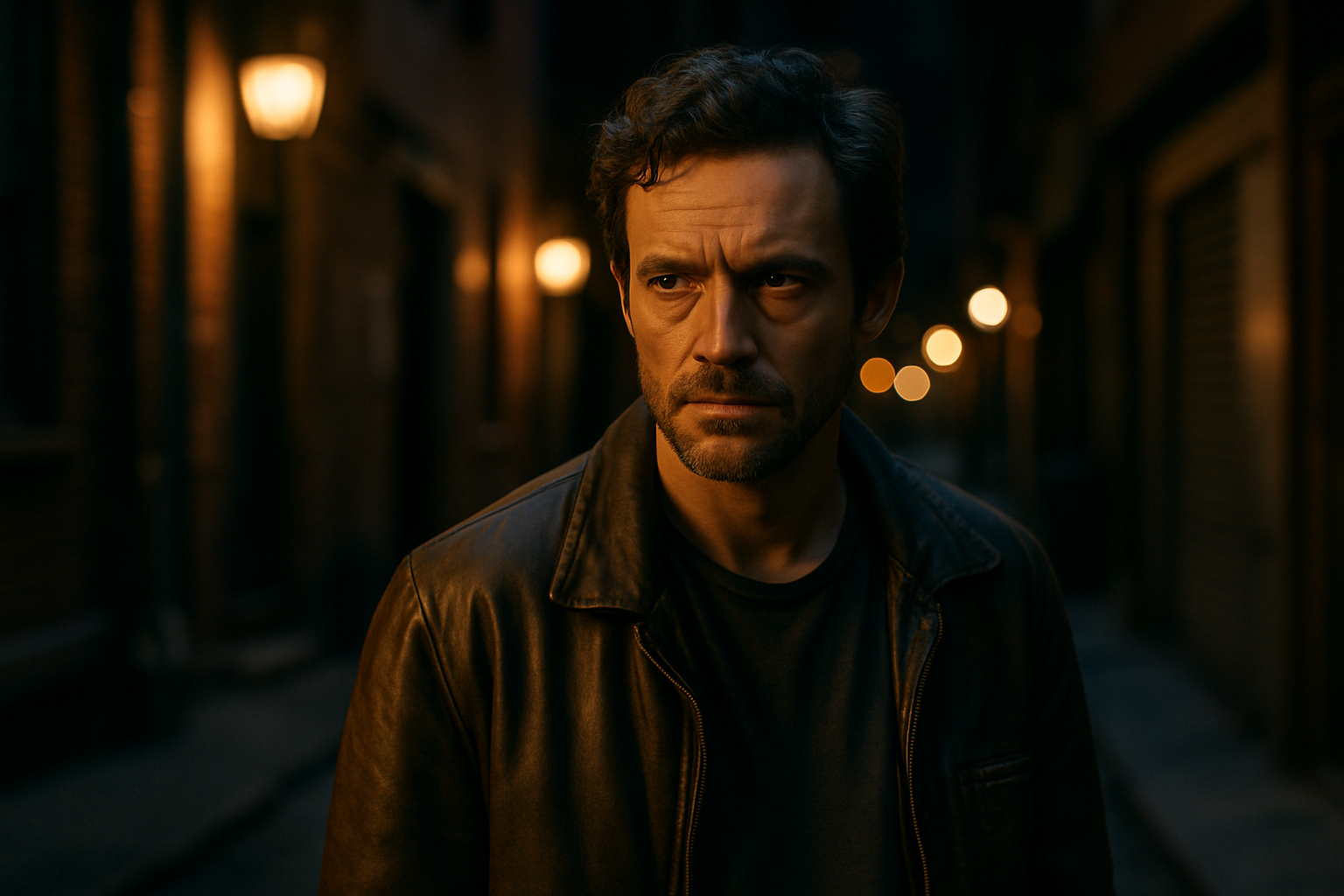
Antiheroes have become some of the most compelling characters in modern fiction. Unlike traditional heroes, they are flawed, conflicted, and often morally ambiguous qualities that make them feel more real and relatable. Audiences are increasingly drawn to characters who struggle with their darker impulses, question their motives, and make choices that blur the line between right and wrong. As storytelling evolves, antiheroes have come to reflect the complexities of modern life, making them central figures across books, shows, and films.
Characters Who Reflect Real Human Complexity
Unlike perfect heroes from classic tales, antiheroes carry emotional burdens, personal failures, and internal conflicts that feel familiar to readers. They act out of fear, doubt, trauma, or survival rather than pure heroism. This vulnerability makes them deeply human, allowing audiences to see themselves in characters who are trying to do the right thing—but don’t always succeed.
Moral Gray Areas Make Stories More Engaging
Today’s audiences appreciate stories that explore nuanced moral questions. Antiheroes challenge traditional notions of good and evil, pushing viewers to consider the motivations behind their actions. Their unpredictable nature keeps plots exciting, as their decisions often have consequences that move stories in unexpected directions. This complexity adds depth and emotional weight to modern narratives.
A Response to a Complicated World
Modern society is full of contradictions, pressures, and ethical dilemmas. Antiheroes embody this uncertainty, showing that people can be flawed and still capable of growth. Their struggles mirror the real world—where solutions are rarely simple and individuals often face difficult choices. This makes antiheroes feel relevant, timely, and emotionally resonant.
The Appeal of Redemption Arcs
One reason antiheroes are so popular is the powerful storytelling potential of redemption. Watching a character confront their mistakes, seek forgiveness, or strive to become better creates a compelling emotional journey. Redemption arcs add hope and transformation to otherwise dark narratives, giving audiences a reason to root for characters who might otherwise be unlikable.
Conclusion
Antiheroes thrive in modern fiction because they offer a more honest, realistic portrayal of human nature. Their flaws, conflicts, and complex choices make them relatable, unpredictable, and emotionally engaging. As long as audiences crave authenticity and depth in storytelling, antiheroes will continue to dominate the worlds of literature, film, and television.