A town keeps its stories under lamps that hum and gutters that whisper. There is an uneasy geometry to late-night routes where ordinary steps become signals. Small anomalies — a door left ajar, an unfamiliar car — start to compose a pattern that resists casual explanation. This piece explores how atmosphere, observation, and interpretation combine to form a map of mystery.
The Night’s Geography
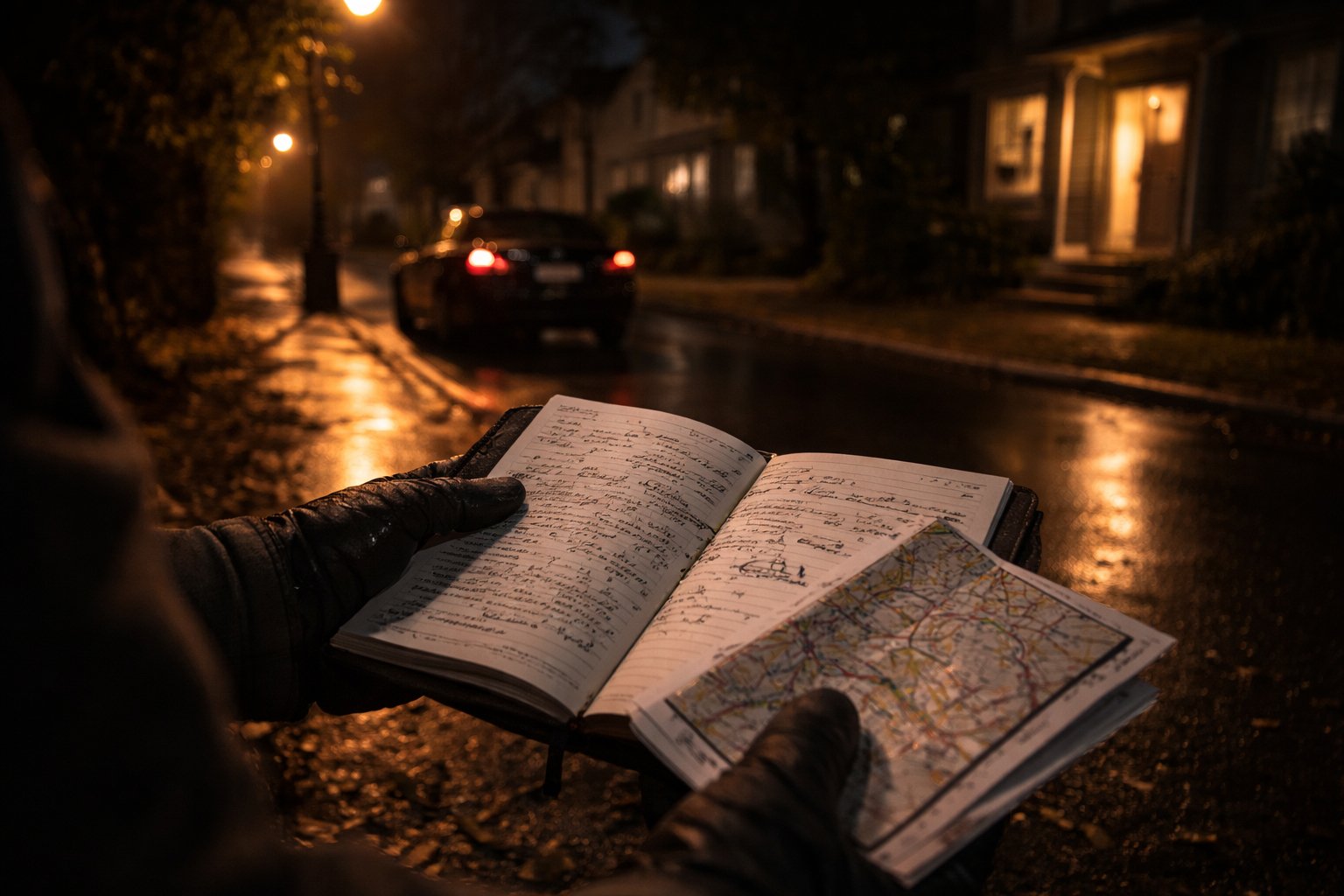
The night reshapes familiar streets into a softer, more ambiguous landscape where edges blur and landmarks take on new meaning. Streetlights create pools of visibility and stretches of concealment, so movements that seem mundane by day can take on significance after dark. The geography of suspicion is less about physical distance and more about the relationships between places, times, and repeated details. Skilled observers translate these relationships into a tentative route of inquiry.
Perceiving that geography requires patience and the ability to notice what is missing as much as what is present. Observers must resist quick narratives and instead build a spatial sense that can be tested over time.
The Investigator’s Lens
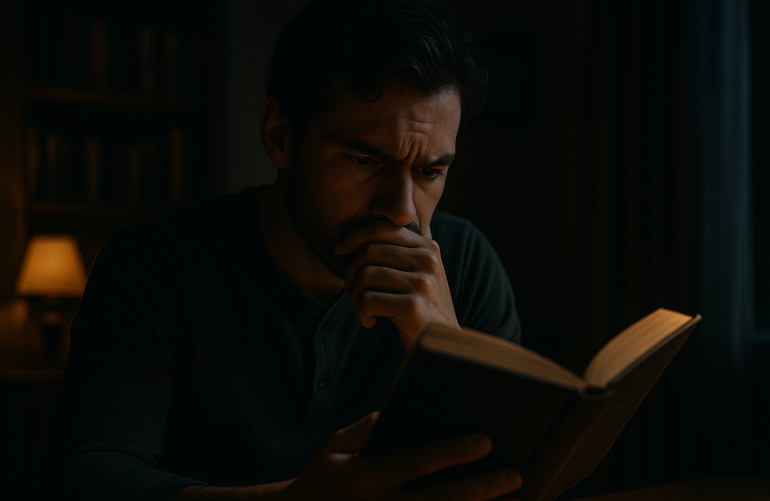
An investigator’s approach combines careful description with restraint, cataloging small facts without forcing them into an early theory. Notes about sounds, lighting, and the cadence of foot traffic become meaningful when compared across nights and neighborhoods. Attention to habit and deviation helps separate coincidence from pattern, and that separation is where clarity often emerges. Good investigation treats each fragment as potentially significant rather than immediately conclusive.
Maintaining objectivity lets the investigator revise hypotheses as new information arrives, which is vital in fluid situations. The lens is as much about discipline as about curiosity.
Patterns and False Leads
Patterns appear when seemingly unrelated events recur in similar contexts, but human minds are primed to see patterns even in randomness. Distinguishing a true pattern from a mirage depends on replication and context: did the same elements repeat under similar conditions, or was the similarity superficial? False leads waste resources and misdirect attention, so methodological checks are essential. Cross-referencing independent observations reduces the chance of being misled by coincidence.
A cautious, methodical pace reduces the risk of confirmation bias and keeps the inquiry grounded. When patterns hold up, they point to where deeper questions should be asked.
Trust and the Unseen
Trust in a local narrative is fragile; communities want both safety and truthful explanation, which can be in tension. Building trust requires transparent methods and respectful communication about uncertainty and progress. The unseen elements — motives, unseen observers, or hidden routes — are often the hardest to map but the most important to consider. Empathy helps investigators balance skepticism with sensitivity to those affected.
Effective resolution depends on combining rigorous observation with community engagement. That balance turns isolated signs into a coherent story rather than a source of escalating fear.
Conclusion
Mystery thrives where light and habit meet ambiguity and mapping it takes steady attention and humility. By treating details carefully and testing patterns patiently, investigators and communities can transform anxiety into understanding. The work is slow, but it brings clarity where once there was only unease.