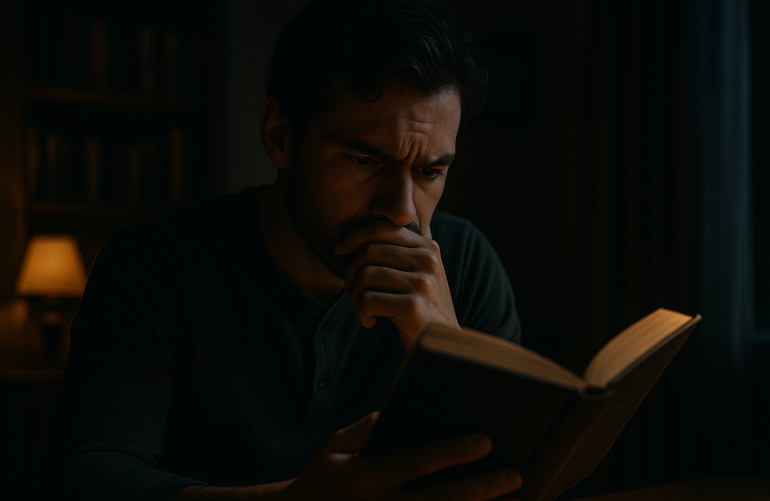
Every thriller rests on two quiet pillars: place and pace.
How you anchor a scene and how quickly you move through it will often decide whether a reader chills or shrugs.
This piece explores practical ways writers can make setting breathe and tempo bite.
Small adjustments in description and sentence length can turn ordinary moments into sustained unease.
Setting as a Character
A vivid location does more than frame action; it suggests motives, history, and hidden dangers.
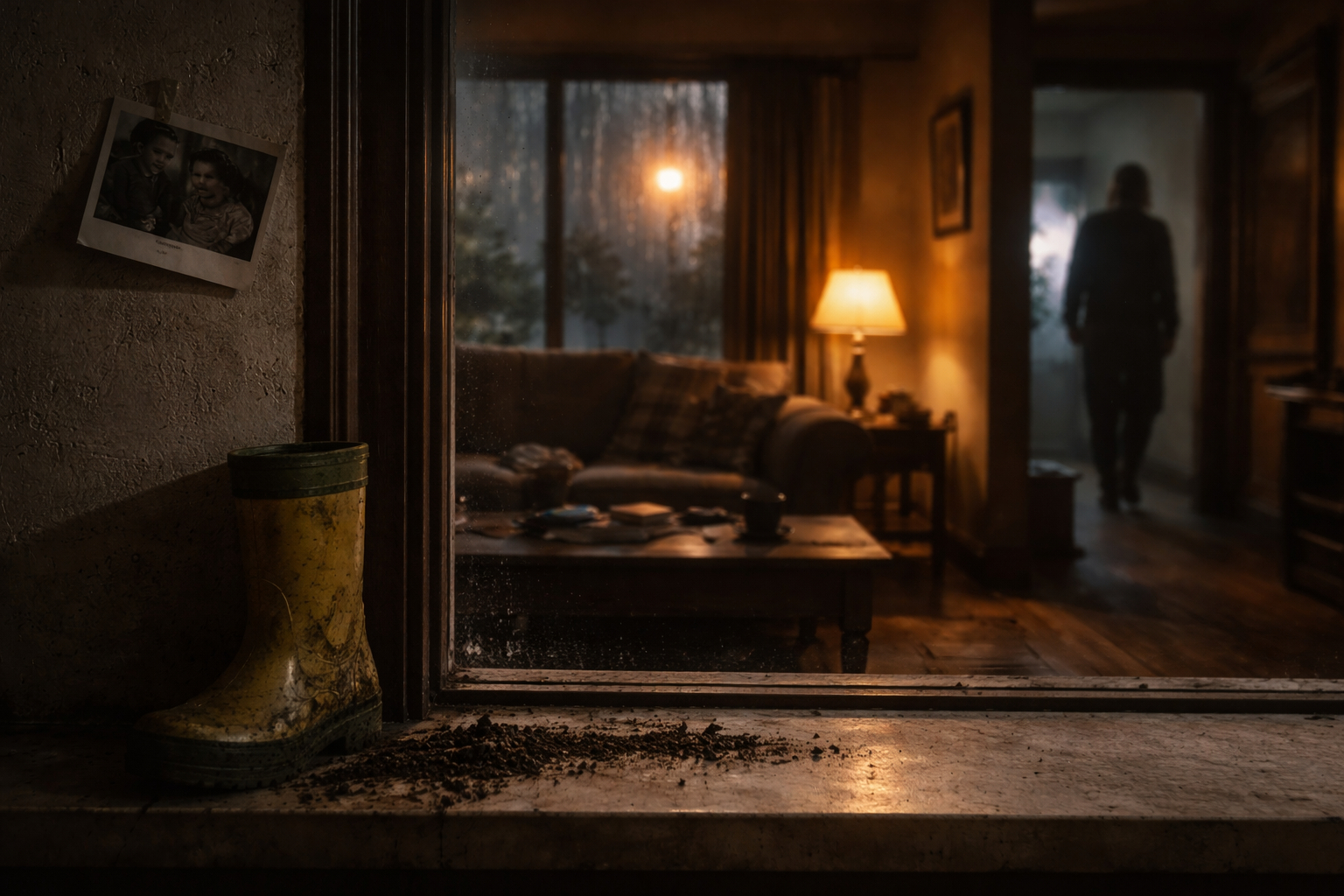
To make setting act like a character, zero in on sensory detail that has narrative purpose: the scent of mildew in a locked room, a streetlamp that flickers only when the protagonist passes, or a photograph pinned askew that hints at past violence.
Details should reveal tension or mislead readers without halting forward motion, and they should connect to character choices so the environment feels consequential.
Balance description with implication so the scene feels lived-in, not lectured.
Anchor scenes with recurring motifs so place deepens theme and character arcs.
When location carries memory, every return escalates meaning and suspense.
Pacing and Rhythm
Pacing controls the reader’s heartbeat; it is as much about what you leave out as what you include.
Short sentences and clipped scenes quicken pulse during confrontations, while longer, more elliptical passages create simmering dread between blows and suggest that something patient is circling.
Vary sentence length, scene duration, and chapter breaks intentionally to create a rhythm that supports your plot’s rising pressure and to give readers distinct emotional rests and jolts.
Editing for pace often means cutting comforting verbs, pruning side notes, tightening description, and trusting the reader to fill gaps rather than overexplaining.
Think of pacing as choreography that guides attention and tension.
Deliberate tempo choices can make revelations feel earned instead of staged.
Planting Clues Through Environment
Objects, smells, and weather can all be subtle cue-carriers when you want clues to feel organic.
Place items strategically and think about how each element might be noticed differently by various characters, depending on their memory, priorities, or blind spots.
A child’s toy in a locked house, a mud smear on a windowsill, or a garden path trodden at odd hours can raise questions instead of answering them, prompting readers to assemble motives.
Avoid obviousness by letting clues be partial and sometimes contradictory; readers enjoy assembling the puzzle and distrusting the easy solution.
Hide meaning in plain sight by matching clue texture to narrative voice.
That cohesion keeps mystery immersive and rewards attentive reading.
Conclusion
Great suspense comes from the interplay of place and pace.
Treat setting as an active agent and pacing as your main control panel and instrument.
When both are tuned together, ordinary moments become unshakeable tension.