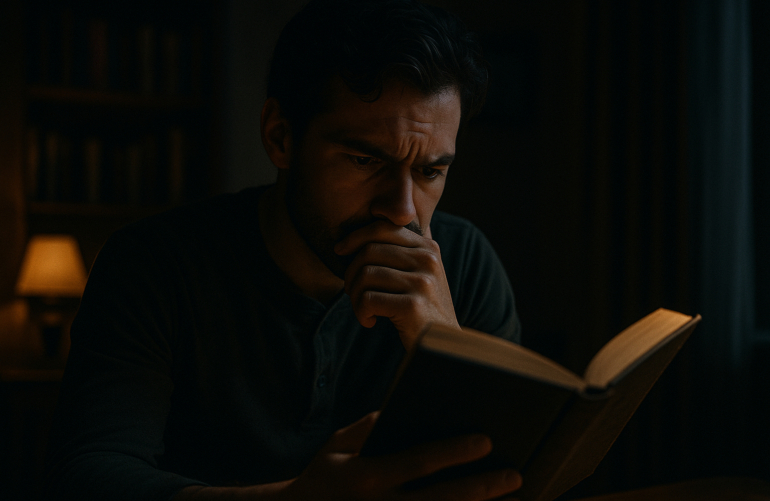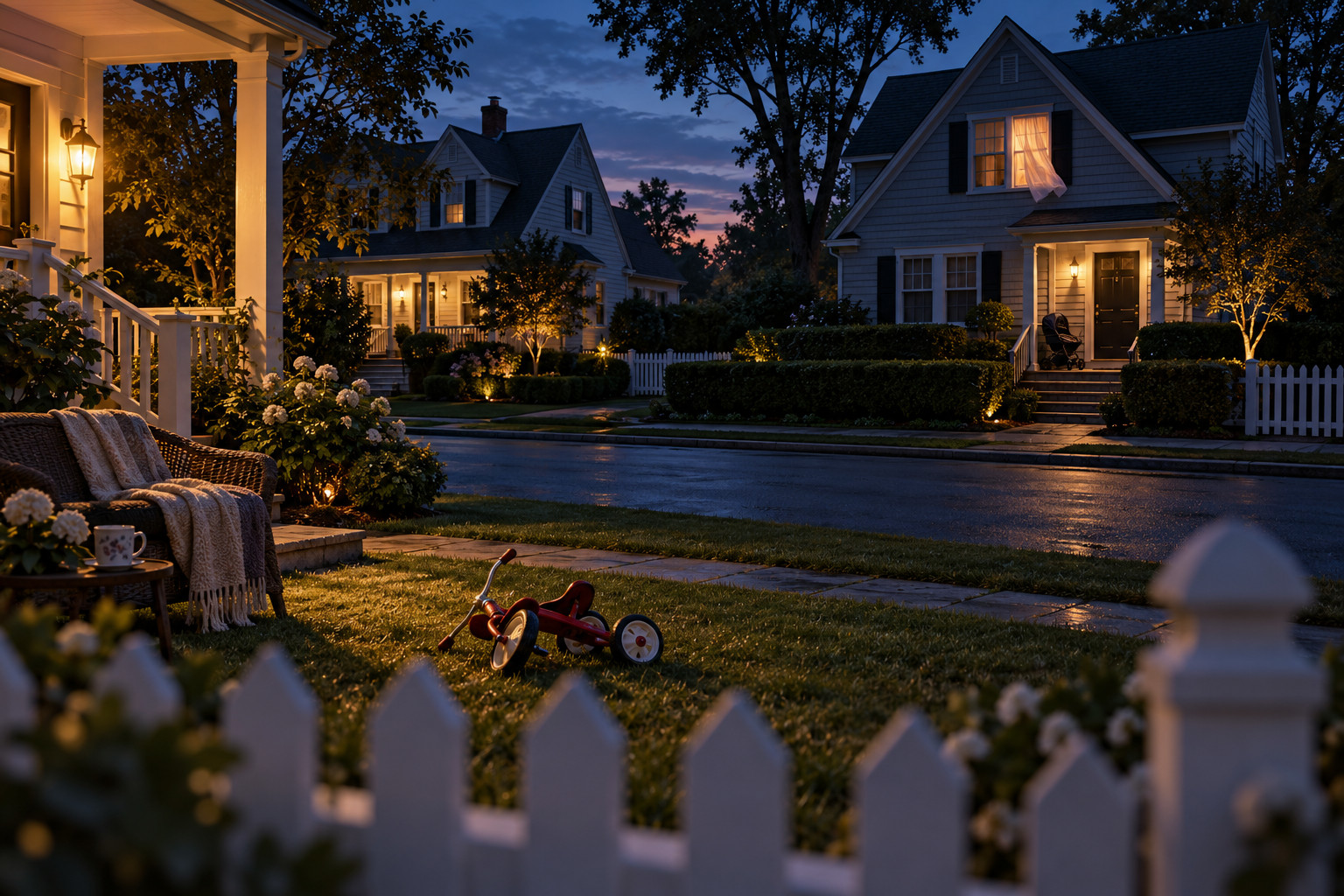
These six novels all start in familiar places — kitchens, backyard fences, bedtime routines — and slowly show how ordinary life can be a cover for something sharper. If you like suspicion braided into domestic detail, each of these delivers a different flavor of unease: the slow-burn, the claustrophobic, the twisty, and the quietly grotesque.
The Girl on the Train — Paula Hawkins
Rachael’s daily train commute turns into a kind of surveillance of a couple she imagines has the perfect life. Hawkins builds mistrust through memory lapses and a narrator who can’t be fully relied upon. It’s a claustrophobic ride where suburbia’s neat façades feel dangerously thin.
The Couple Next Door — Shari Lapena
When a child disappears from a house next to yours, normal routines shudder. Lapena’s novel is propulsive and focused on the strain that a single event puts on neighbors, couples, and casual acquaintances. Expect tight plotting and many small domestic details that suddenly matter.
Behind Closed Doors — B.A. Paris
This one trades on the terror of appearing perfect. A marriage that looks enviable from the outside conceals a very different power dynamic inside the home. Paris keeps the prose lean and the tension constant, a short novel that makes ordinary rooms feel menacing.
The Little Stranger — Sarah Waters
Set after the war in an English country house, Waters blends social observation with slow-building dread. The house itself seems to hold memories and resentments; what begins as quiet decay turns into something more uncanny. It’s less about shocks than the steady accumulation of unease.
Sharp Objects — Gillian Flynn
Flynn’s novel brings a reporter back to her small hometown to cover a crime and forces a confrontation with family and past wounds. The mood is grim and intimate, with psychological pressure concentrated in domestic spaces. Reader discretion advised for heavier themes.
The Wife Between Us — Greer Hendricks & Sarah Pekkanen
Presented through shifting perspectives, this book plays with the assumptions we make about relationships and who holds the truth. It leans on misdirection and the gap between public personas and private resentments — a reminder that the person living next door may not be who they seem.
Conclusion
If you want novels that make evening routines and familiar houses feel charged, these six are a good place to start. Each offers a different tone of domestic danger, so pick by mood: propulsive, gothic, psychological, or quietly claustrophobic.