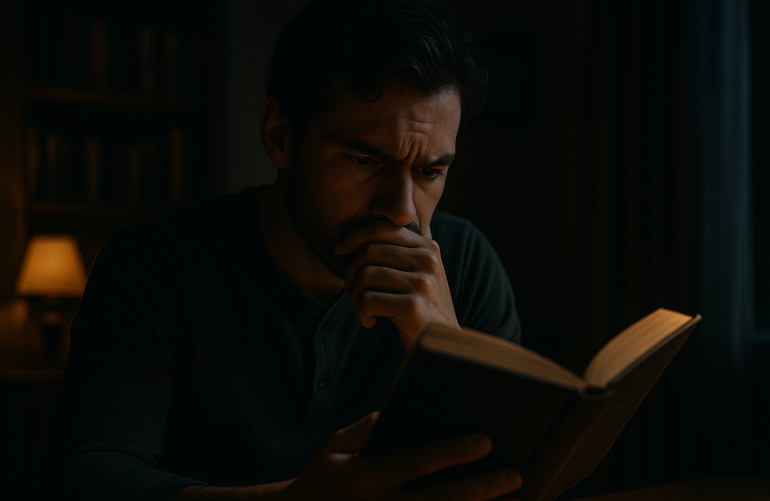
The night on this street feels deliberate, as if the darkness itself remembers small betrayals. Lantern light pools on cracked pavement and sketches the edges of secrets that no eyewitness dares to claim. People move through these lanes with practiced indifference, their footsteps a chorus of rehearsed alibis and half-remembered glances. Somewhere between the light and its shadow, a pattern waits for someone patient enough to notice.
The First Lantern
The first lantern is never the most notable clue, yet it sets the tone for everything that follows. A single flicker, a stray smear across a doorway, or a footnote of mud on a windowsill can reframe a whole evening. Observers who mistake brightness for clarity miss how small inconsistencies gather into meaning. Attentive readers of place learn the grammar of light and absence and begin to map intention.
Close attention tends to reveal repetition rather than puzzle pieces, and repetition suggests design. This design can be subtle, not malicious, but when traced methodically it becomes a narrative.
Traces in Empty Alleys
Empty alleys are where the marginal notes accumulate: whispers, dropped items, hurried scuffs that escape daytime scrutiny. These alleys do the quiet work of testimony that voices often refuse to give, and they record movement in textures rather than statements. A pattern of scuff marks can suggest a route; residue on a railing might indicate a time of day; a bent nail could hint at a hurried exit. Reading these traces requires patience more than theory.
– Scuff patterns on the curb that repeat at odd intervals
– Residue under a latch that implies a hidden hand
– Overlapped footprints that suggest someone waited
Interpreting such signs demands cross-checking and imagination anchored in fact. Piecing together the fragments of an alley’s testimony turns an anonymous place into a kind of witness.
Following Silent Patterns
Patterns do not shout; they accumulate and insist quietly until they form an argument too coherent to ignore. Following those patterns means tracking the mundane: where lights fail, where chatter drops, how a community skirts certain names. The method is humble and forensic, blending observation with a sensitivity to rhythm and absence. Over time, what seemed random will reveal corridors of intent and avoidances that point the way forward.
Successful inquiry pairs humility with rigor, acknowledging uncertainty while testing hypotheses against the material world. A patient investigator lets the city’s quieter grammar lead rather than forcing a premature interpretation.
Conclusion
A trail of quiet clues offers a different kind of discovery, one where detail outweighs drama and persistence replaces spectacle. Read the city as a text: its lanterns, alleys, and patterns compose a story written in the margins. The reward is not only the truth uncovered but the discipline gained by listening to what most passersby ignore.