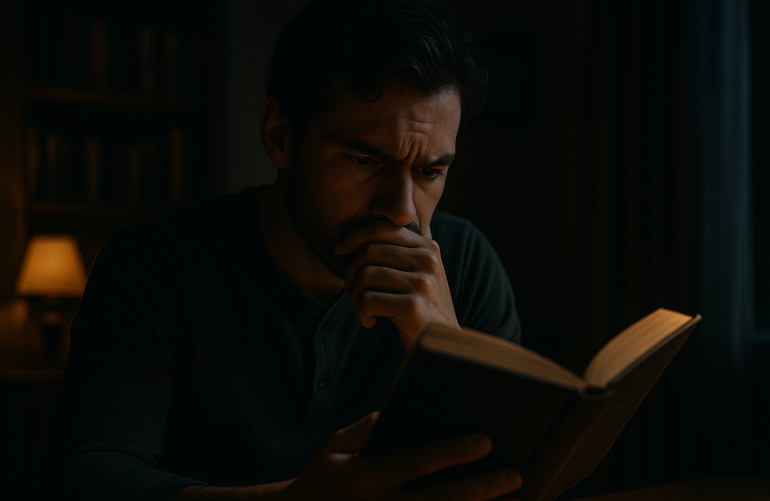
Every unforgettable mystery has one thing in common — tension. It’s that subtle sense of unease that keeps readers turning pages late into the night, desperate to know what happens next. Whether it’s a missing clue, a suspicious character, or a secret yet to be revealed, tension transforms ordinary storytelling into a thrilling psychological game. Mastering this delicate balance is what separates a good mystery from a great one.
The Art of Withholding Information
One of the most powerful tools in creating tension is controlled revelation — giving readers just enough information to stay curious but not enough to feel satisfied. Mystery writers often play with gaps in knowledge, dropping clues that lead in multiple directions. This strategy mirrors real-life uncertainty and makes readers active participants in the investigation. When every answer raises new questions, suspense naturally deepens.
Characters as Catalysts for Suspense
Great mysteries are built not just on events but on people. Characters with hidden motives, conflicting goals, or mysterious pasts add emotional tension to the plot. When readers can’t fully trust anyone, every conversation becomes charged with suspicion. The tension intensifies as these characters reveal fragments of truth, leaving readers to question: who’s lying, and why? It’s this constant psychological tug-of-war that keeps audiences hooked.
Setting the Mood
Atmosphere plays a silent yet crucial role in building suspense. A foggy street, an empty hallway, or a flickering light can create unease even before a single word of dialogue. The setting becomes a character itself, amplifying fear, uncertainty, or isolation. Writers like Agatha Christie and Gillian Flynn use environment masterfully — transforming ordinary spaces into backdrops for extraordinary tension.
Pacing: The Rhythm of Mystery
Tension thrives on rhythm. Slow, deliberate pacing allows readers to breathe and speculate; sudden bursts of action jolt them back to attention. This push-and-pull keeps the story unpredictable. Too much action dulls the suspense, while too little risks losing engagement. The best mysteries alternate between revelation and restraint, creating a heartbeat-like rhythm that mirrors anxiety and anticipation.
The Emotional Payoff
Tension isn’t just about keeping readers nervous — it’s about emotional investment. When readers care deeply about the characters or the outcome, the suspense feels personal. They’re not just solving a puzzle; they’re feeling the stakes. This emotional attachment turns tension into satisfaction when the truth is finally revealed — that cathartic moment when everything clicks into place.
Conclusion
The secret to great mysteries lies in the delicate art of tension — revealing just enough to intrigue, concealing just enough to unsettle. It’s a careful dance between fear and fascination, logic and emotion. When done right, tension doesn’t just tell a story; it immerses readers in a psychological experience where every detail matters and every silence speaks volumes.