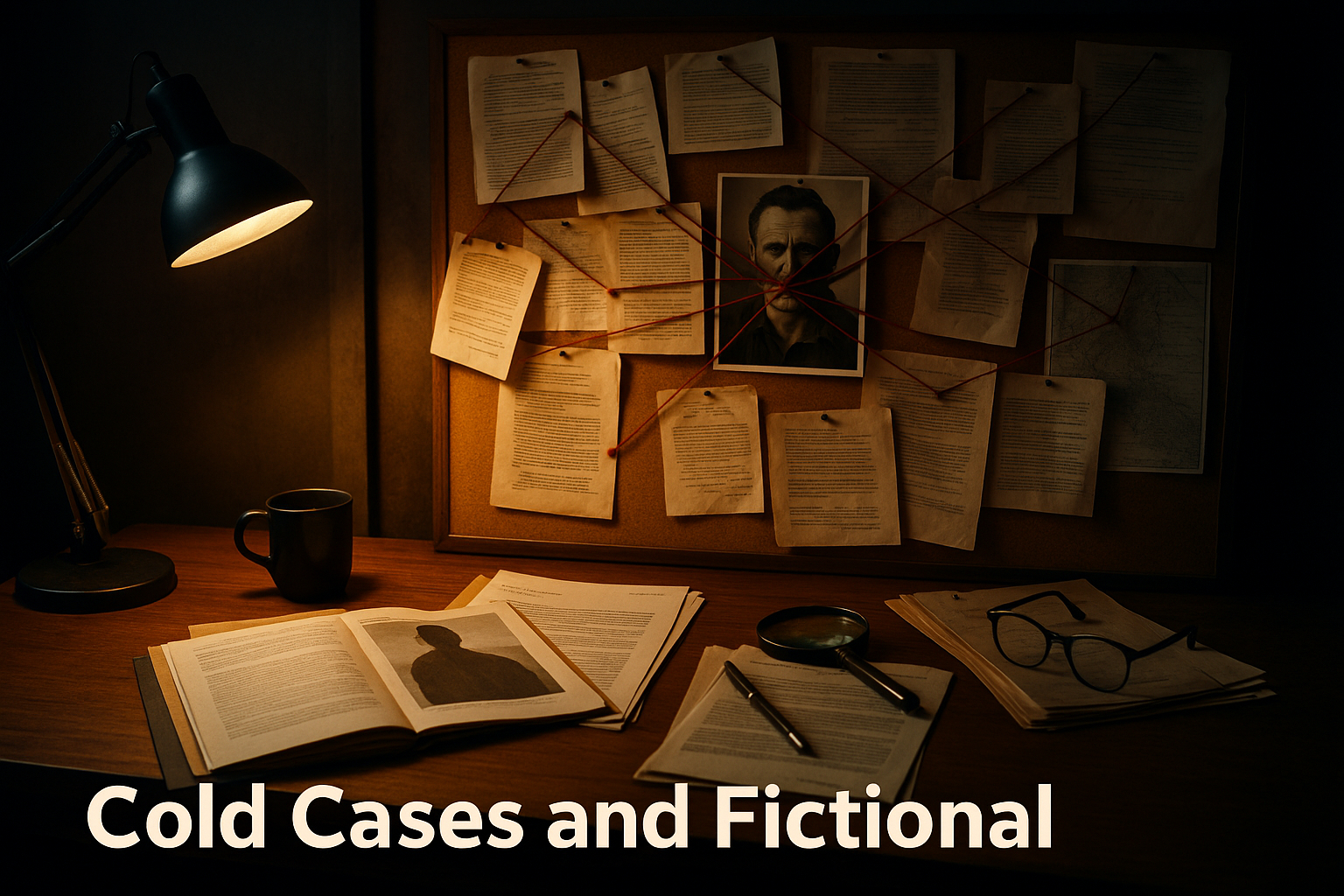
Cold cases have always captured the public imagination—mysteries suspended in time, waiting for the right clue, the right investigator, or simply the right moment to uncover the truth. In fiction, these long-unsolved crimes offer writers powerful storytelling opportunities, blending suspense, emotional depth, and the thrill of discovery into one compelling narrative thread.
Why Cold Cases Fascinate Readers
Cold cases are inherently dramatic because they come packaged with unresolved tension. Unlike fresh investigations, these stories carry layers of history, forgotten evidence, shifting relationships, and emotional wounds that have deepened over time. The uncertainty of what truly happened—and the possibility that the culprit has evaded justice for years—keeps readers on edge.
For fiction writers, this creates a perfect recipe: rich backstories, hidden motives, unreliable memories, and the haunting question of Why now? Why does this case suddenly matter again?
The Role of the Modern Detective
Fictional investigators often bring fresh perspectives to cold cases. Whether they’re seasoned detectives, amateur sleuths, journalists, or even curious neighbors, their role is to challenge old assumptions and uncover missed details. Modern tools, such as digital forensics or DNA advancements, add a realistic layer to contemporary stories while still allowing creativity in how the truth unfolds.
Strong characters—flawed, determined, and often haunted by their own pasts—add emotional weight to the pursuit of justice. Their personal stakes often become intertwined with solving the crime.
Blending Fiction with Real-World Logic
One reason cold-case fiction feels so satisfying is its grounding in real investigative challenges. Writers draw on elements like:
-
Misfiled or overlooked evidence
-
Changed witness stories
-
Technological breakthroughs
-
Long-held secrets resurfacing
This balance of realism and imagination creates stories that feel both believable and unpredictable.
Why These Stories Endure
Cold-case fiction taps into universal themes: truth, memory, justice, and the passage of time. These narratives remind readers that even long-buried secrets have a way of coming back to the surface—and that closure, though delayed, is always worth pursuing.