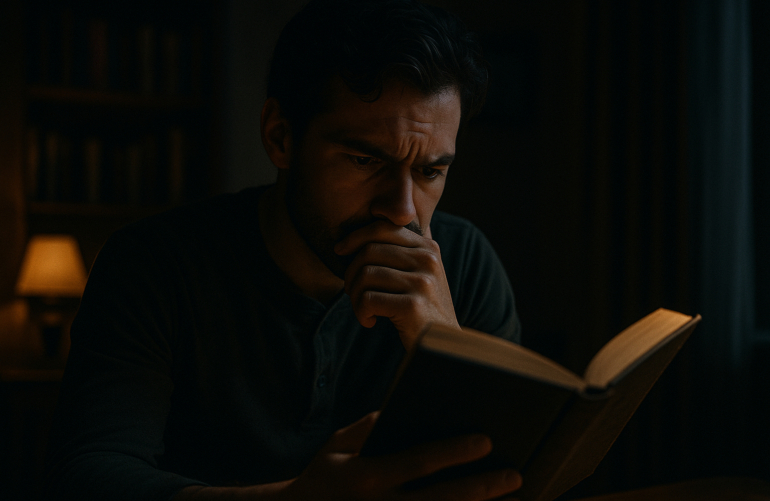
Suspense in short thriller fiction relies on precise choices more than sprawling plots. Writers must balance what to reveal with what to withhold, shaping readers’ curiosity without leaving them frustrated. Small scenes, sharp details, and tight pacing create a sustained sense of unease that can carry a story to its payoff. This article outlines practical techniques to increase tension and keep readers turning pages.
Shape the Setting with Sensory Detail
Begin by using the environment as an active element rather than backdrop. Describe sensory details that suggest danger—a drip echoing in a hallway, the metallic tang of fear, or shadows that behave like characters. Specific, concrete images trigger readers’ imaginations and make uncertainty feel immediate. Avoid overloading with description; choose a few potent details and let them accumulate.
Small, repeated details can become cues that foreshadow later revelations and reward attentive readers. When the setting shifts, use contrast to underline the stakes and unsettle expectations.
Control Information Through Point of View
Decide how much your narrator knows and how reliable they are, then commit to that perspective consistently. An unreliable or limited viewpoint keeps readers guessing about motives and facts while preserving dramatic irony when appropriate. Strategic omissions—delayed names, unexplained actions, or fragmented memories—create curiosity without resorting to gimmicks. Each revelation should feel earned and escalate the reader’s emotional investment.
Manage the timing of disclosures to build waves of tension rather than a single peak. Use internal thoughts sparingly to hint at deeper conflicts and avoid over-explaining.
Pacing, Structure, and Dialogue as Tension Tools
Vary sentence length and scene duration to control tempo: short, clipped sentences accelerate tension; longer sentences can slow and let dread settle. Structure scenes to end on unanswered questions or shifting power dynamics so readers feel compelled to continue. Dialogue can be an effective pressure valve when subtext replaces exposition, making what’s unsaid more unsettling than spoken lines.
- Use cliffhanger line endings between scenes.
- Keep dialogue lean and charged with implication.
- Interleave quieter moments to recharge suspense.
Combine these elements deliberately to shape reader emotion across the story. Consistent escalation and well-placed pauses make twists land with impact.
Conclusion
Effective thriller short stories balance reveal and restraint to keep readers engaged. Focused sensory detail, controlled point of view, and deliberate pacing create sustained suspense. Apply these techniques with restraint to let tension grow organically and pay off satisfyingly.