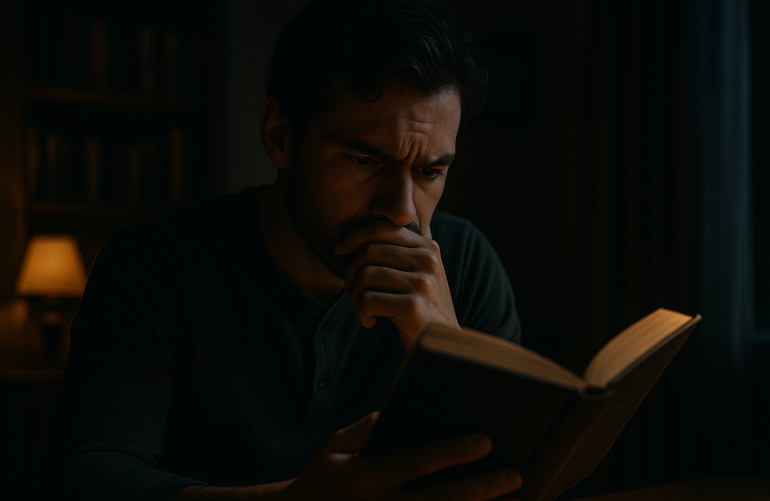
A dual-thread mystery runs parallel narratives that eventually collide.
Each thread must be compelling on its own while feeding the larger puzzle.
Writers balance distinct voices, stakes, and clue economies to sustain momentum.
This guide outlines practical techniques to craft interlaced tension with clarity.
Balancing Two Plot Threads
Begin by defining separate, clear stakes for each thread so readers can track what’s at risk. Give each thread a distinct voice or rhythm; contrast helps prevent confusion and creates texture. Map intersections early—shared locations, recurring objects, or sympathetic secondary characters—to create anticipation. Avoid mirroring events too closely; the payoff should feel earned when the threads converge. Sketch a scene list showing where and when each thread advances to spot natural convergence points.
A strong structural outline keeps momentum even when one thread slows. Revisit the stakes regularly to maintain equal investment across both narratives. Test the outline by writing sample crossover moments early to ensure tone and timing align.
Planting Complementary Clues
Clues should advance both plots when possible, or deliberately misdirect without betraying the code of fair play. Use objects and motifs that carry different meanings in each thread; a single item can signify safety in one arc and danger in another. Scatter subtle contradictions and emotionally resonant details that only become significant after convergence. Technical foreshadowing—dates, offhand remarks, or mismatched timelines—rewards attentive readers and heightens re-read value. Allow red herrings to serve character development rather than mere obfuscation.
Track clues in a single document to avoid accidental repeats or lost setup-payoff chains. Clarity in placement ensures revelations feel plausible rather than convenient. Prioritize readability: log dates and motives so the reveal feels credited.
Managing Pacing and Perspective
Pacing a dual-thread narrative requires deliberate alternation: long stretches can deepen character, short bursts can accelerate plot. Vary chapter length and point-of-view focus to control rhythm and maintain suspense. When shifting perspective, provide anchoring details so readers reorient quickly and stay engaged. Consider escalating tempo in one thread to force action in the other, creating a domino effect toward the climax. Use breathing moments to let readers absorb implications before switching back into motion.
Balance emotional beats with factual revelations to keep tension human and credible. Gentle accelerations prevent reader fatigue and build toward a satisfying intersection. Small reversals and recalibrations maintain surprise without undermining plausibility.
Conclusion
Dual-thread mysteries reward careful planning and attentive craftsmanship.
Set discrete stakes, plant complementary clues, and orchestrate pacing with intent.
The collision of threads should feel inevitable and emotionally resonant.