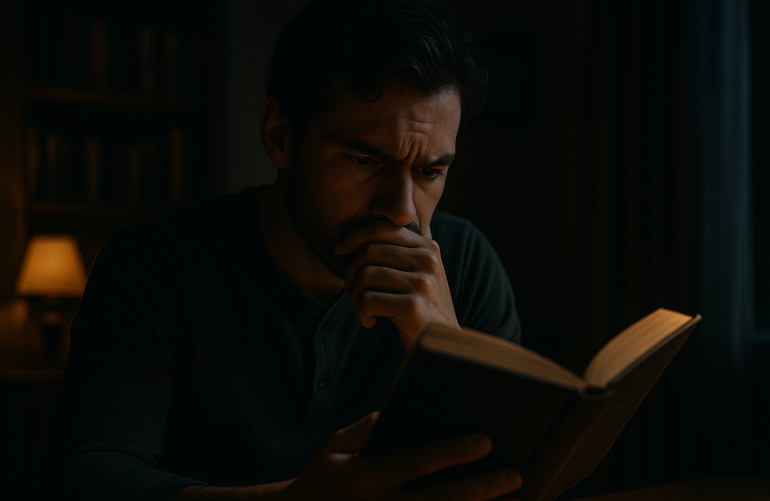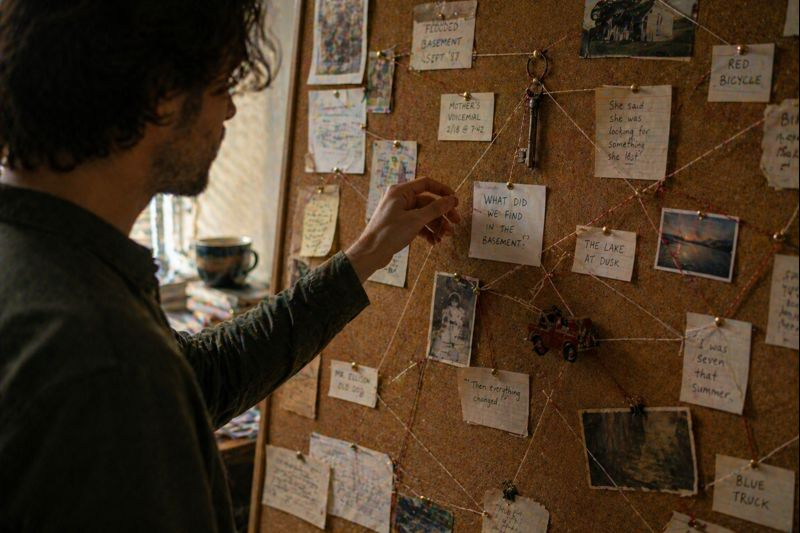
Designing persistent unease begins with respect for what readers notice and what they do not. Subtle narrative threads let tension accumulate without overt shocks, rewarding attentive readers and building atmosphere. Good mysteries balance visible clues with deliberate absences so the unknown feels inevitable rather than arbitrary. This article outlines practical techniques to keep suspense steady across a novel-length arc.
Planting Details
Planting is less about trickery and more about economy: choose details that serve character, setting, and misdirection at once. Place objects and phrases that resonate later, then let them sit without immediate payoff to create a sense of indebtedness in the reader. Restraint matters; if every detail hints at danger, the signal is lost. Aim for three or four recurring motifs that can echo in different emotional registers.
- Use sensory anchors that feel ordinary first.
- Repeat objects with changing context rather than explanation.
These choices let clues feel earned and not manipulative. The reader should remember without feeling led by the hand.
Structuring Scenes
Scenes should alternate information and misdirection so the narrative never becomes static. Make each scene change meaningful: a shift in what a character knows or how they view another person will keep stakes moving. Small domestic moments are fertile ground for slow-burn revelations.
Sequence scenes to amplify cumulative unease rather than reveal everything at once. The architecture of scenes frames how readers assemble the puzzle.
Managing Pace and Repetition
Pacing is about rhythm — a steady heartbeat punctuated by sharper pulses. Use sentence length, paragraph breaks, and chapter endings to modulate urgency without resorting to constant cliffhangers. Repetition can become suspense when pattern breaks appear at critical moments. Keep a map of where emotional beats sit so pacing feels intentional.
Normal rhythms lull readers into trust and then make disruptions meaningful. Thoughtful pacing makes revelations feel earned.
Point of View and Voice
Choice of viewpoint controls what the reader can infer and what remains unknowable. An intimate, limited perspective deepens psychological suspense, while a shifting vantage can create dramatic irony. Voice carries the subtext; a careful narrator can hint at bias without spelling out motives. Use unreliable elements sparingly and with clear consequences for believability.
Point of view is a lever for tension, not just an aesthetic preference. Match voice to the level of secrecy you want to sustain.
Conclusion
Building persistent unease is a craft of restraint, structure, and selective revelation. Plant details that pay off emotionally, shape scenes to escalate stakes, and let voice determine what remains hidden. When these elements align, a thriller sustains attention through implication rather than spectacle.