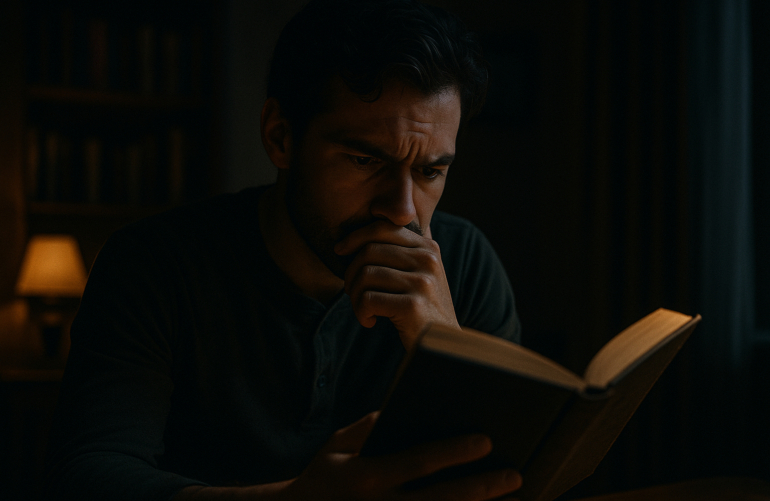
Suspense in mystery and thriller fiction often comes from what remains unsaid as much as what is revealed. Small details, withheld motives, and restrained action build a sense of foreboding that keeps readers turning pages. This introduction outlines subtle approaches writers can use to create quiet, persistent threat without relying on shock or constant confrontation. The goal is to offer practical techniques that sharpen tension while preserving mood and plausibility.
These methods are suitable for short stories and longer works alike. They emphasize craft choices rather than plot gimmicks. Use them to refine the emotional stakes and sustain reader engagement.
Developing a Menacing Setting
A setting that implies danger without stating it directly is a powerful tool in suspense writing. Focus on sensory details that carry negative undertones: a clock that never seems to chime properly, rooms that feel slightly off in scale, or weather that mirrors unease. Rather than over-describing, choose a few recurring motifs that gradually accumulate meaning across scenes. Subtle spatial constraints—narrow hallways, locked cabinets, or a garden that hides more than it reveals—can create psychological pressure.
When the environment becomes almost a character, it amplifies tension organically. Keep descriptions functional and purposeful to avoid distracting the reader.
Character Choices That Amplify Suspense
Characters generate suspense through what they conceal and how they react under stress. Give protagonists and antagonists small, plausible secrets that affect decisions and relationships. Use unreliable perspectives sparingly: a confident narrator who omits certain facts or a restrained viewpoint character who notices only fragments of danger. Secondary characters may act as mirrors or misdirections, offering false comfort or awkward clues that unsettle the protagonist.
- Assign inconsistent habits that hint at deeper motivations.
- Embed micro-conflicts that escalate subtly over time.
- Let dialogue suggest, rather than explain, critical information.
These choices keep readers guessing while maintaining empathy and believability. They allow suspense to develop through nuance instead of exposition.
Pacing and Information Control
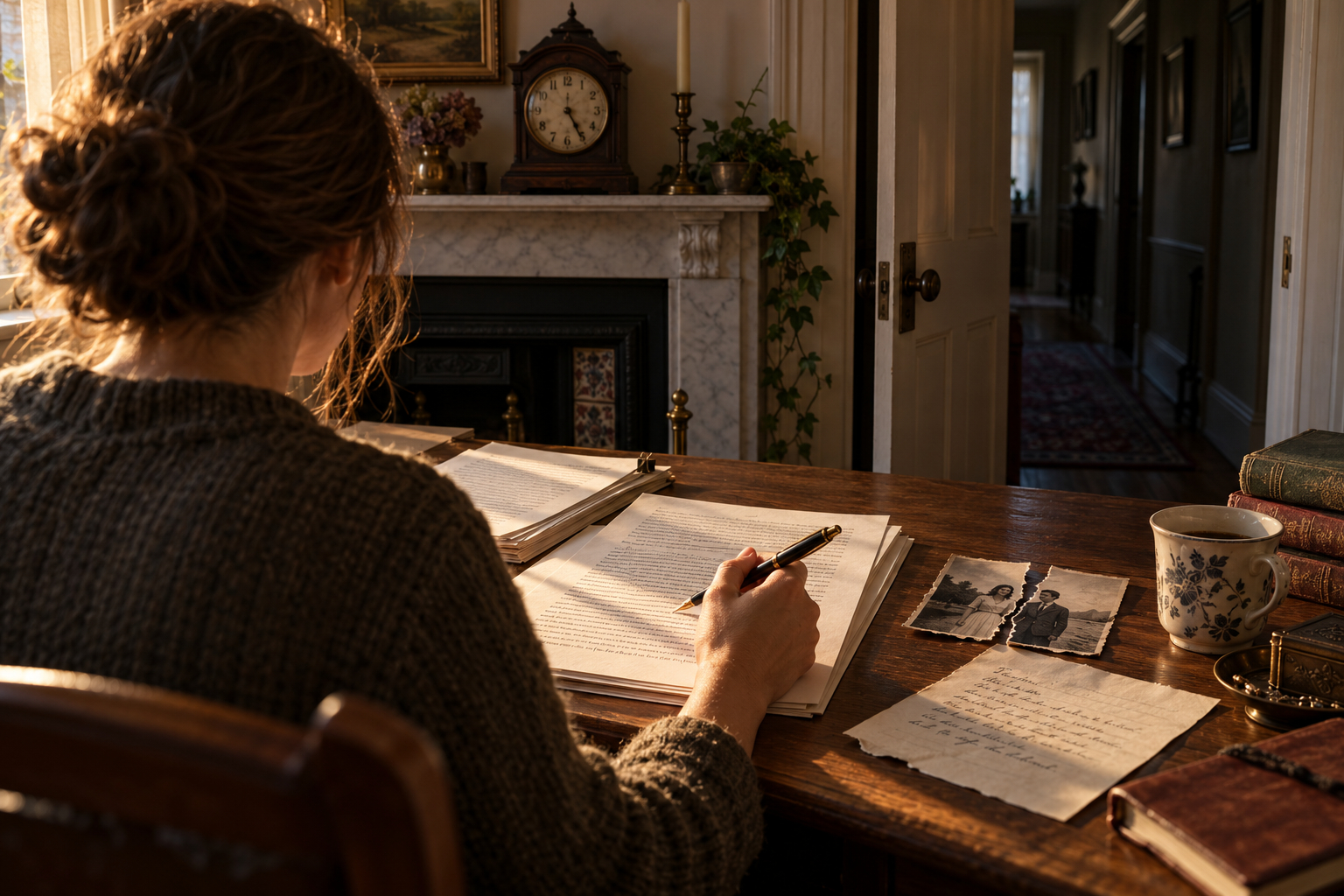
Timing is crucial: release information in measured increments and let implications simmer. Alternate scenes of action with quieter, reflective moments where the reader connects dots, creating a rhythm that magnifies each revelation. Deliberate omissions—a torn photograph, a half-finished note, an interrupted phone call—invite readers to infer danger and participate mentally. Resist the urge to resolve tensions immediately; well-placed delays intensify anticipation.
Use sentence length and paragraph breaks to control tempo. Short, clipped lines speed up a scene; longer, descriptive passages slow it down for effect.
Conclusion
Subtlety in suspense relies on disciplined craft: selective detail, purposeful character behavior, and careful pacing. When threats are quiet but convincing, tension becomes a sustained experience rather than a series of shocks. Apply these techniques consistently to deepen mystery and keep readers invested.