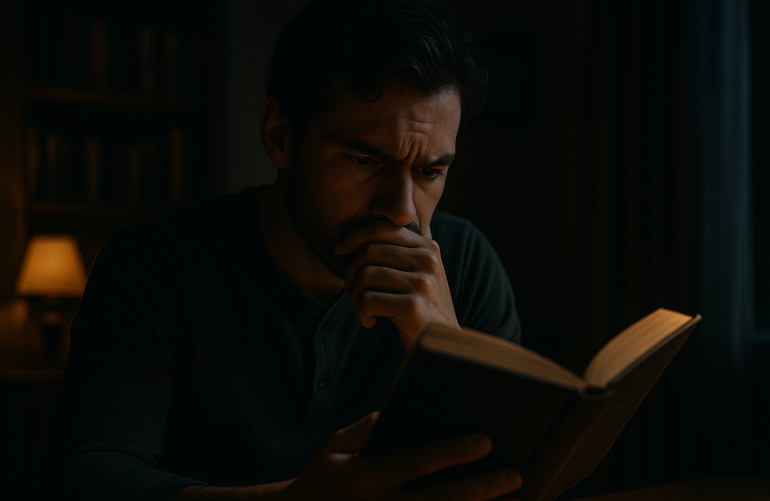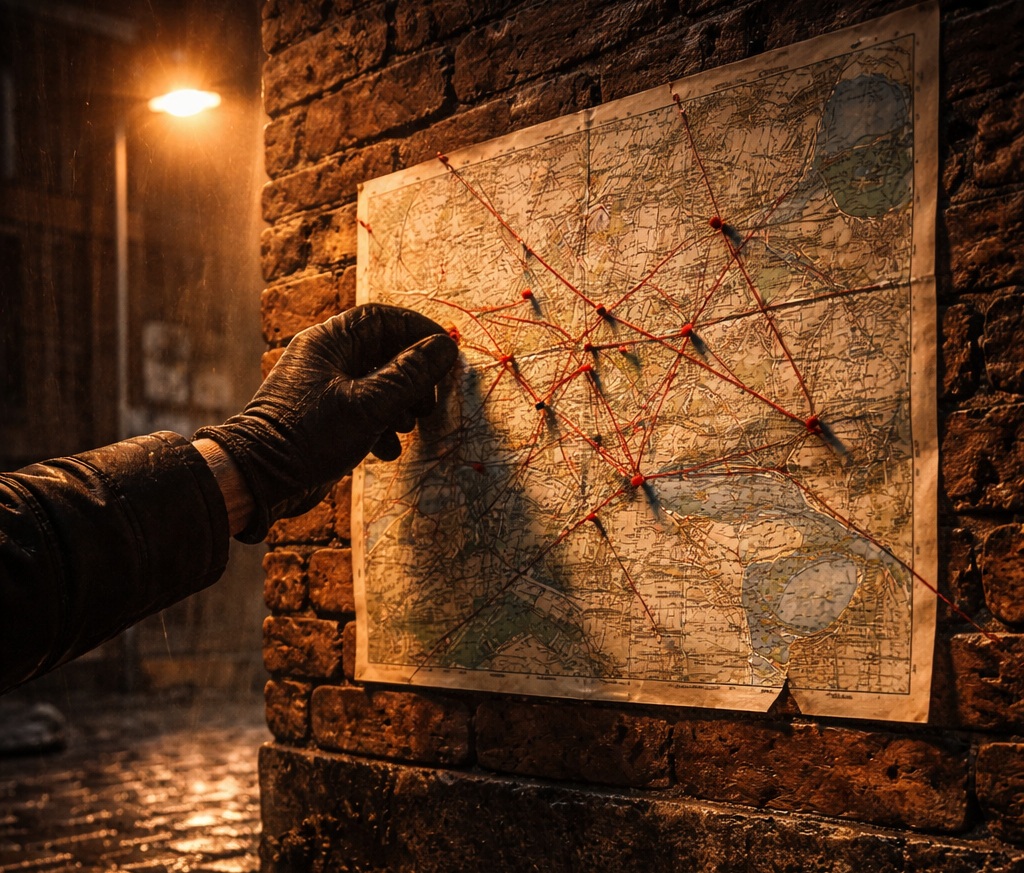
The night in a mystery should feel like a living place where small details suddenly mean everything.
Shadows, stray scents, and overheard sentences act as threads that lead a reader deeper into the plot.
Crafting a slow burn requires patience, selective revelation, and deliberate misdirection that still rewards attentive readers.
This piece outlines practical ways to map a hidden threat and keep suspense taut without cheating the audience.
The Quiet Entrance
A strong opening scene invites curiosity more than answers, showing a single oddity that threatens familiar order. Describe a common setting and then introduce a small anomaly that contradicts expectations, forcing characters and readers to ask why. Focus on sensory details that imply backstory without spelling it out and let tension grow from inference rather than explicit threat. Keep language precise and let the environment do the heavy lifting for mood and motive.
A Thread of Clues
Plant clues deliberately so each one feels earned and visible in hindsight rather than obvious on first read. Clues should vary: physical objects, inconsistent testimony, offhand remarks, and timing that hints at a pattern. When designing this sequence, ensure at least one red herring diverts attention but also enhances character development when revealed later. These elements work together to create a satisfying puzzle that readers can piece together incrementally.
The Unseen Motive
Developing motive is less about exposition and more about implication; reveal what a character stands to lose or gain in subtle, human terms. Show consequences and small compromises that escalates stakes naturally, and use relationships to humanize antagonists so their choices feel inevitable. Layer motivations so that surface reasons mask deeper impulses, allowing a final reveal to feel both surprising and inevitable.
Techniques to Build Suspense
Pacing controls suspense: alternate quick, tense beats with slower, reflective moments that reframe what came before. Vary sentence rhythm and scene length to mirror pressure, and use point-of-view shifts strategically to withhold or grant information. Consider these concrete tactics:
– Place a revealing object in plain sight but delay its explanation until context changes.
– Use interruptions—phone calls, footsteps, weather—to break certainty and reset expectations.
– Let characters make plausible mistakes; error makes outcomes feel earned rather than contrived.
A careful mix of these techniques sustains tension while rewarding readers who notice the subtle cues.
Conclusion
Effective mystery builds from small, concrete details into a larger, inevitable pattern.
By mapping clues, motives, and pacing deliberately, a writer keeps suspense authentic and compelling.
The result is a story that surprises yet feels earned, compelling readers to turn the page.