An abandoned apartment building can feel like a character in its own right. In small mysteries, what goes unremarked often becomes the hinge on which a case turns. This piece examines how subtle evidence and domestic textures create atmosphere and lead investigators deeper into motive and method. Writers and readers of mystery and thriller alike will find practical ideas here for building tension without resorting to spectacle.
Setting the Scene
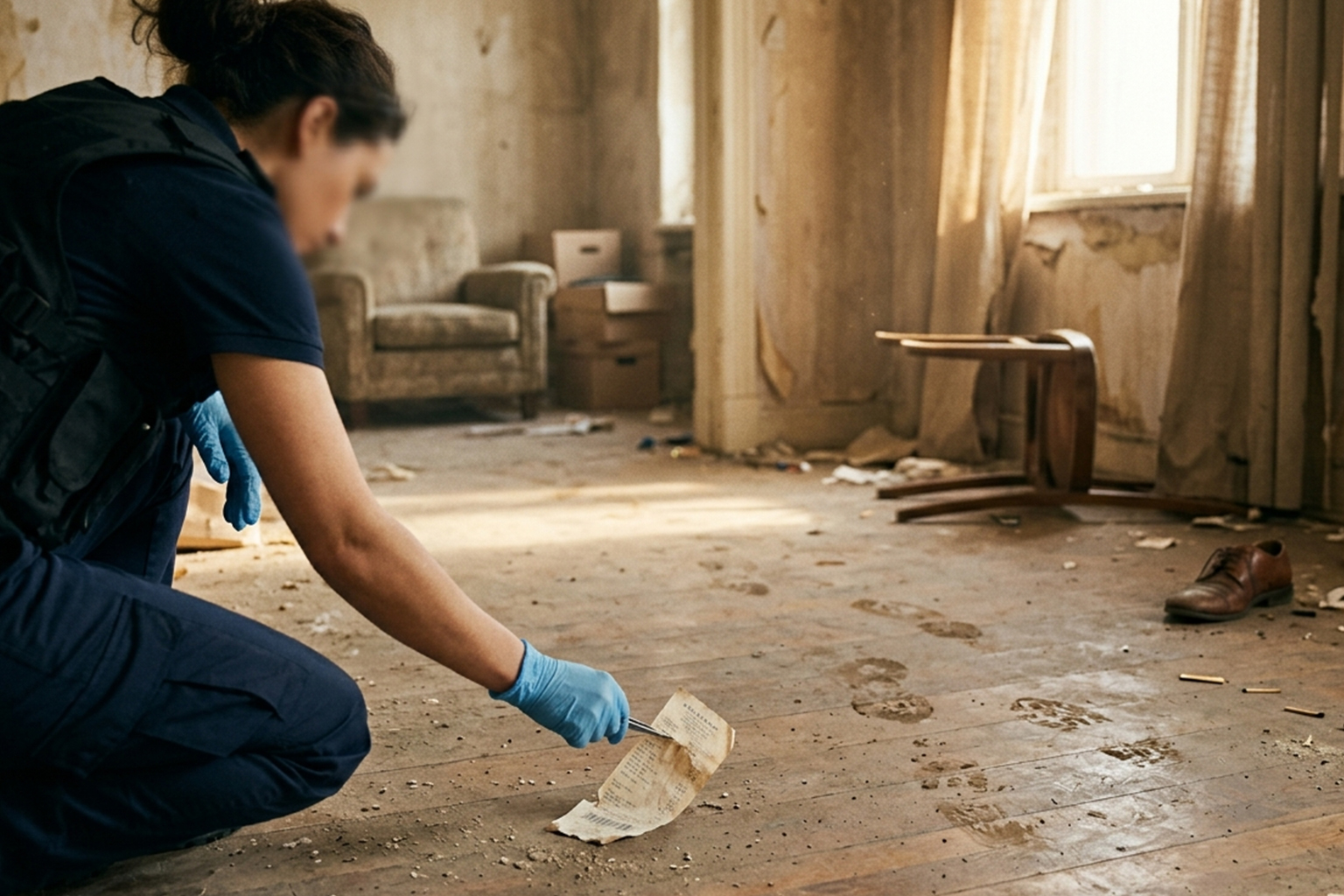
Scenes create mood through selective detail, not exhaustive description. A half-drawn curtain, a single chair turned over, or the smell of old coffee can anchor a reader more effectively than lengthy backstory. Think in contrasts: a neat kitchen with a single out-of-place shoe reads differently than a trashed room, and that dissonance raises questions. Use sensory anchors to suggest history, habit, and disruption without spelling everything out.
These choices also guide pacing; spare, precise details slow the reader to examine evidence, while broader strokes propel them forward. Establishing the scene with intention gives subsequent clues a believable context.
The Small Clues
Clues that seem trivial at first can gain significance when placed in sequence. A torn receipt, a smudge on a windowsill, or a faint thread caught on a handle can suggest time, company, or struggle. Present such items economically so the reader notices them without feeling lectured. The goal is to make small objects feel meaningful through association and recurrence.
Sprinkling tiny, concrete details encourages active reading and rewards attentive audiences. When those items later fit together, the payoff feels earned rather than contrived.
Interrogating Memory
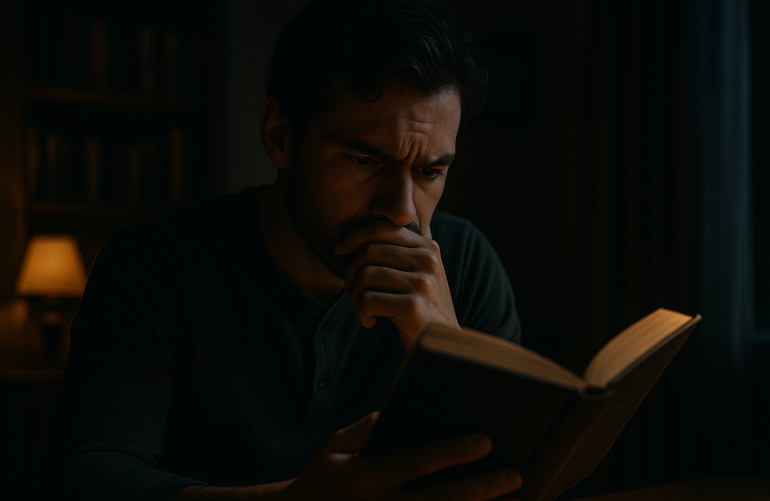
Memory is unreliable, and that unreliability can be a powerful tool in a thriller. Dialogue that reveals conflicting recollections creates tension and opens avenues for doubt. Use questions and pauses in conversations to expose gaps rather than providing clean answers. A single evasive reply can be more revealing than a confession when handled with restraint.
Let characters contradict themselves subtly to build suspicion, then allow physical clues to adjudicate the truth. This triangulation between testimony, object, and setting sustains suspense.
Patterns That Hide in Plain Sight
Patterns emerge from repetition: rhythms of daily life, preferred routes, or habitual objects left in odd places. Mapping those habits within your setting turns ordinary behavior into a forensic tool. When a pattern is disrupted, the deviation signals motive or danger and invites investigation. Readers enjoy piecing together repeated elements once they notice the pattern.
Work patterns into both scene description and character action so they feel organic. A revealed pattern should deepen understanding of motive rather than serve as a mere plot device.
Conclusion
Small, domestic details are the scaffolding of a believable mystery and can convert atmosphere into evidence. By arranging sensory cues, recurring motifs, and unreliable testimony, writers build tension that rewards attentive readers. Craft scenes where the mundane steadily accumulates into revelation, and the quietest clues will carry the greatest weight.