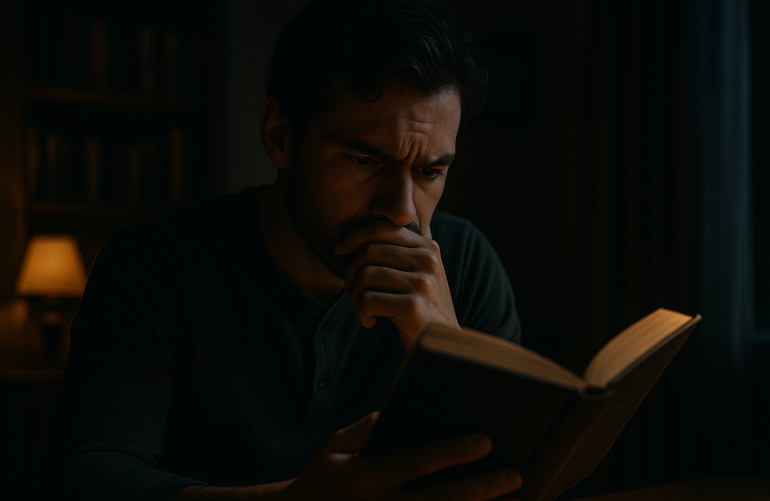
Forensic fiction sits at the crossroads of meticulous science and edge-of-your-seat storytelling. By weaving real investigative techniques into gripping narratives, the genre transforms labs, evidence rooms, and crime scenes into arenas of high drama. Readers are drawn to the promise that logic can untangle chaos—and that tiny details can carry enormous weight. At its best, forensic fiction satisfies curiosity while sustaining suspense, turning the methodical pursuit of truth into a pulse-quickening experience.
The Science That Drives the Story
What distinguishes forensic fiction is its reliance on credible science. DNA analysis, trace evidence, toxicology, and digital forensics aren’t just window dressing; they propel the plot forward. Authors ground their stories in authentic procedures—how samples are collected, how results are interpreted, and where uncertainty can creep in. This accuracy builds trust with readers, making each revelation feel earned rather than convenient.
Tension Born From Process
Unlike action-heavy thrillers, forensic fiction often derives tension from patience and precision. The suspense comes from waiting for lab results, interpreting ambiguous data, or realizing a crucial test was overlooked. These moments slow the pace just enough to sharpen anticipation. The drama lies in the stakes attached to each decision—one misread result can change a life.
Characters at the Intersection of Logic and Emotion
Forensic protagonists balance analytical rigor with human vulnerability. They must remain objective while confronting disturbing realities and moral dilemmas. This duality adds depth: the same skills that solve cases can strain relationships or test personal limits. Readers connect with characters who wrestle with doubt, responsibility, and the pressure of being right when consequences are irreversible.
Realism, Ethics, and Consequences
Modern forensic fiction increasingly explores the ethics of evidence—privacy concerns, bias in interpretation, and the limits of certainty. By acknowledging gray areas, the genre avoids the myth of infallible science. This realism heightens suspense, reminding readers that truth is discovered through careful judgment, not just machines.
Why the Genre Endures
Forensic fiction endures because it offers reassurance amid uncertainty: careful thinking can reveal order, and persistence can uncover truth. The blend of science and storytelling satisfies both the analytical and emotional sides of reading. Each case becomes a puzzle with human stakes, inviting readers to follow the evidence wherever it leads.
Conclusion
Forensic fiction thrives where science meets suspense. By pairing authentic investigative detail with compelling characters and ethical tension, the genre turns method into mystery—and proof into page-turning drama.