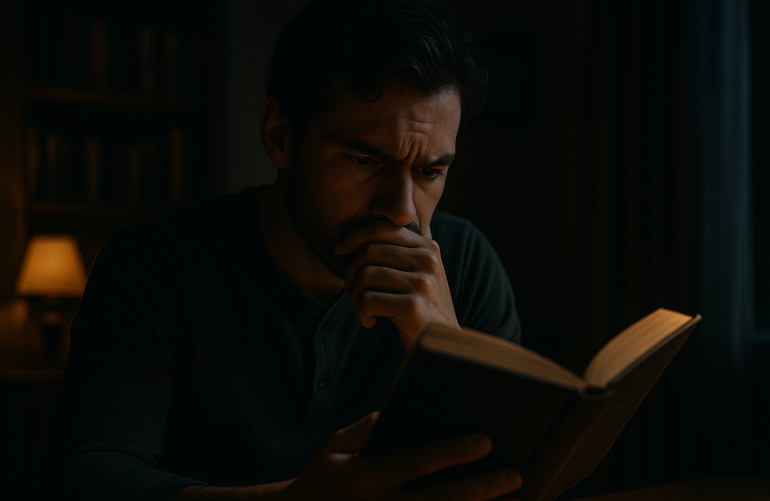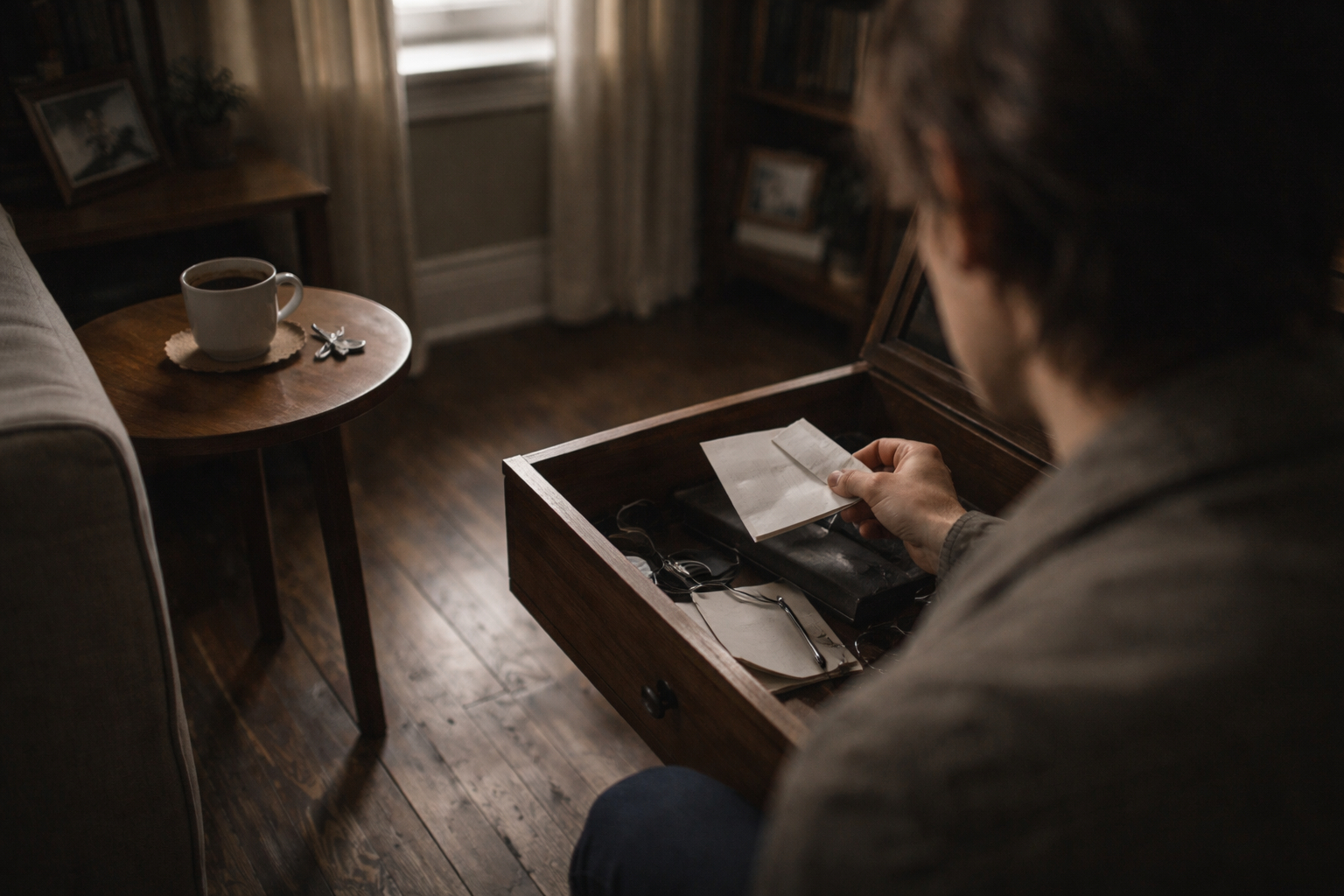
Thriller tension often lives in what characters notice and what they ignore. Small interior details—an untouched cup, a scuffed floorboard, the wrong photograph on a shelf—can register as threat or misdirection. When writers select and repeat specific domestic or workplace elements, the setting itself begins to feel purposeful and dangerous. This technique lets suspense grow organically, so readers feel discovery instead of being told. Readers piece together danger from repetition and contrast over time.
Setting as a Silent Antagonist
Treat the environment as an active narrative force rather than passive backdrop. Describe textures, light shifts, and the way objects obstruct or reveal movement to give a scene kinetic pressure without adding action. Use sensory detail sparingly but with purpose so that a recurring item becomes a cue for tension. Readers will begin to anticipate meaning when a detail reappears at key moments. Balanced description prevents fatigue while keeping attention fixed on those cues.
Introduce such elements early and let them accumulate. The payoff happens when those small, familiar cues converge into a larger threat. This creates a quiet, cumulative threat that feels inevitable.
Clues, Red Herrings, and Reader Trust
Clues and red herrings both rely on interior detail to feel earned. A suspicious note tucked into a drawer and a deliberately placed photograph can diverge in significance depending on context and timing. Craft red herrings from plausible domestic anomalies, then vary emphasis so readers question what matters. Trust grows when clues follow consistent rules within the story world. Maintain a visible logic so that surprises reward careful reading rather than feel arbitrary.
- Make clues tactile: texture, smell, and placement matter.
- Vary attention: sometimes ignore a detail to build later surprise.
Use red herrings to guide interpretation without betraying your internal logic. When readers feel clever about a false lead, the true reveal lands more satisfyingly. Respecting reader attention maintains engagement through twists.
Pacing Through Emotional Stakes
Pacing interacts with interior detail through repetition and omission. Short scenes that return to a motif speed the reader’s heartbeat while longer observational passages deepen dread. Alternate close, intimate descriptions with broader narrative breaths to control momentum. Emotional stakes rise when the setting mirrors a character’s deteriorating sense of safety. Let tempo reflect a character’s inner tempo so setting and emotion sync.
Anchor suspense in choices characters make about their surroundings. The more a person interacts with the environment, the more invested a reader becomes in the consequences. These choices shape reader pacing as much as plot beats do.
Conclusion
Interior detail is a subtle lever that amplifies suspense without spectacle. By committing to consistent sensory cues and strategic misdirection, writers can make ordinary spaces feel menacing. Small things, placed and repeated with intent, often deliver the most memorable shocks.