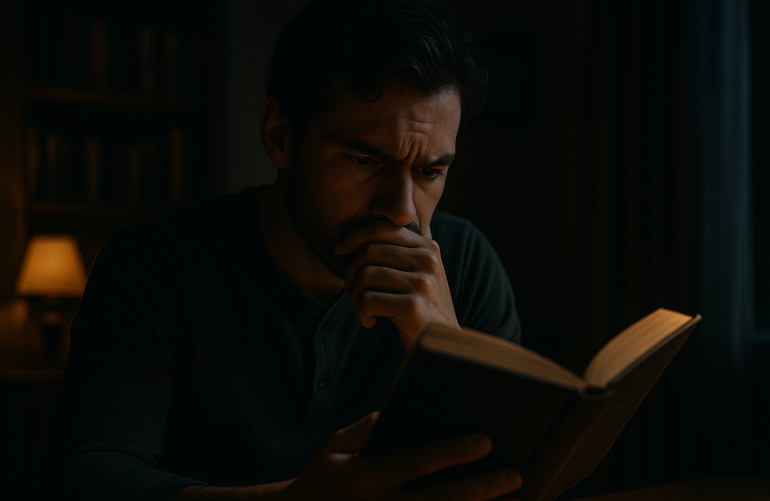
Atmosphere is the invisible engine of any slow-burn thriller, steering reader expectation before a single dramatic event arrives. Building tension through mood, sensory detail, and selective information creates a steady pressure that rewards patience. Good atmosphere makes ordinary settings feel charged and primes every line for possibility. This article unpacks practical ways writers can use setting, detail, and pacing to sustain suspense. These methods help maintain tension without relying on constant shocks.
Setting the Quiet Threat
Start by treating place as a character: note what it holds and what it refuses to show. Concentrate on small sensory details—sound, light, lingering smells—that suggest history without explaining it. Let the setting produce unease through omission and pattern, not loud surprises. Contrast familiar comfort with small vulnerabilities to increase suspense.
Use recurring objects or weather patterns to tether tension to the location. Over time those recurrences should feel deliberate, their cumulative weight altering a reader’s sense of safety.
Clues, Misdirection, and Small Details
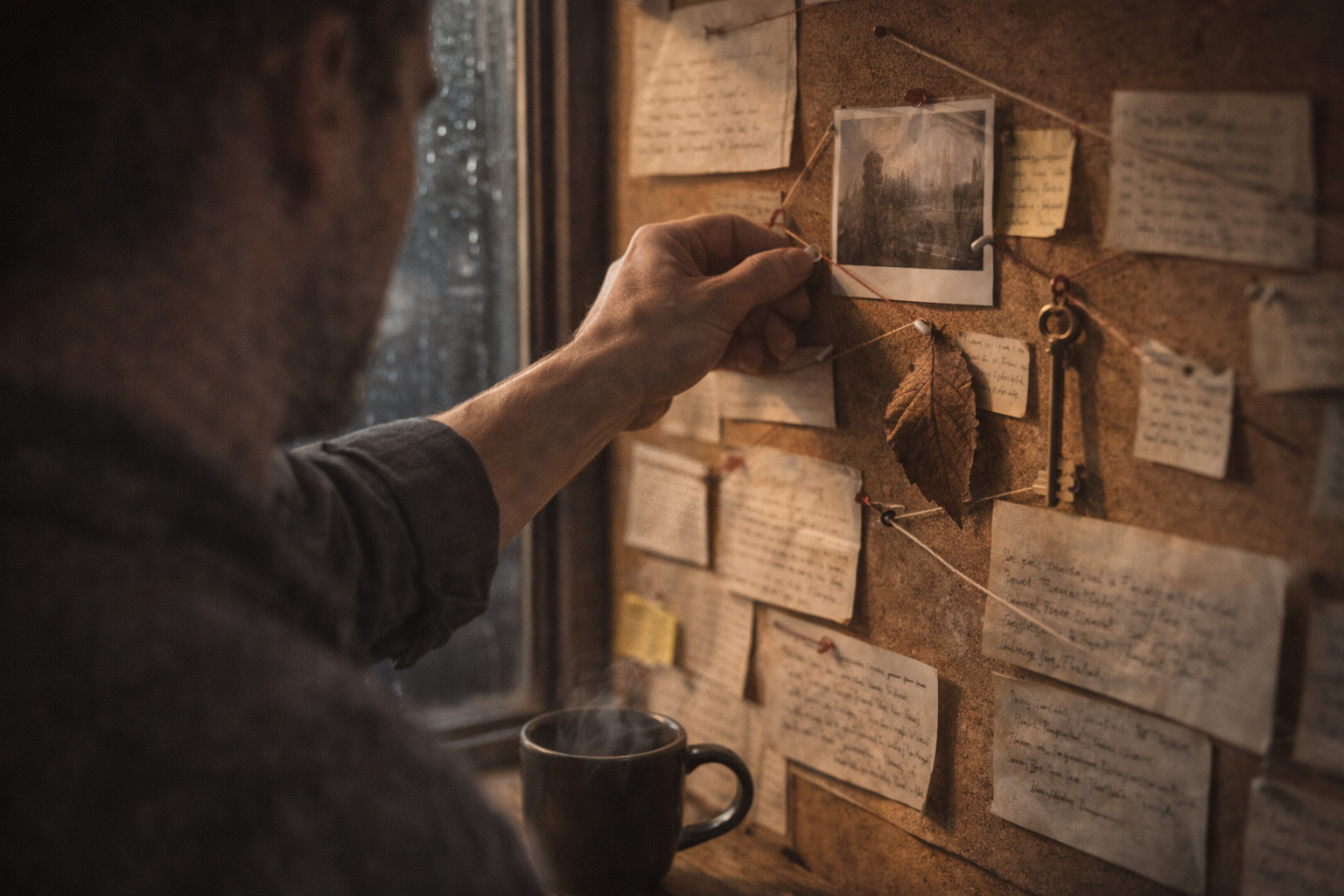
Clues in a slow-burn thriller should arrive like pebbles dropped into a deep well: each ripple matters more than any single splash. Favor details that can be noticed twice—first as a throwaway line, later as a key. Misdirection works best when it is plausible and bounded, steering attention without cheating. Keep notes on every object and remark so revelations feel earned. Respect the reader’s intelligence and invite them to assemble meaning gradually.
- An awkward knock or offhand comment that later fits a pattern.
- A misplaced photograph or an unlabeled key that acquires context.
Use those small elements to rewrite earlier impressions when a reveal happens. The best surprises make readers see what they already read in a fresh light. Make hidden connections feel inevitable in retrospect.
Pacing through Choices and Reveals
Decide early how much to reveal and how long to delay payoff, then let character choice dictate pacing. A protagonist’s decision to ignore or pursue a lead becomes a pacing tool in itself. Vary scene length and sentence rhythm to mirror mounting tension. Let supporting characters’ reactions map out unseen consequences.
Short beats between denser scenes reset reader attention and make slow escalation feel intentional. Keep stakes clear even when answers are withheld, so curiosity, not confusion, drives reading. Measure reveal timing to preserve momentum toward the climax.
Conclusion
Atmosphere, small details, and disciplined pacing are the scaffolding of effective slow-burn suspense. When each element reinforces the others, tension accumulates organically and rewards reader patience. Write with intentional restraint and let mystery grow from the cracks.