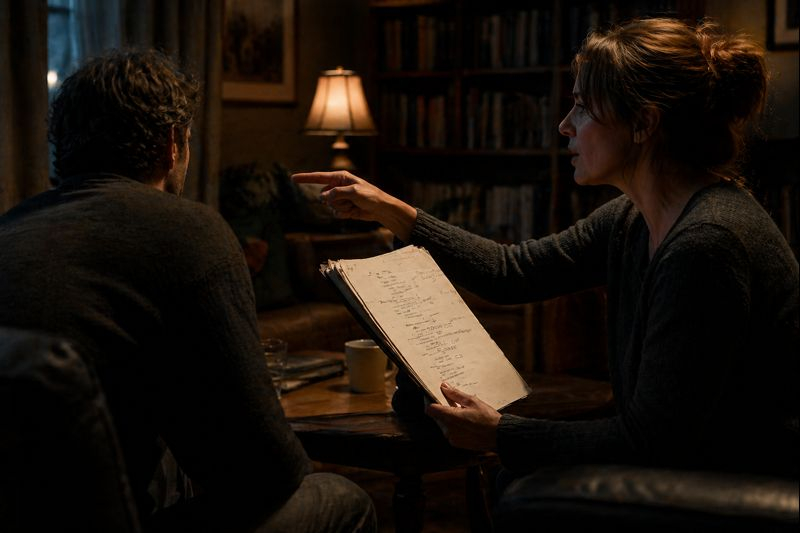
Dialogue can be one of the most immediate ways to raise suspense in a mystery.
It reveals personality, conceals motive, and accelerates a reader’s emotional response.
Well-crafted lines let you foreshadow without stating facts outright and steer perception.
The strategies below explore voice, pacing, and subtext to keep tension taut.
Dialogue as a Vehicle for Information
Good dialogue delivers necessary facts without feeling like an exposition dump. By parceling details across scenes and different speakers you allow readers to assemble the puzzle themselves, which increases engagement. Short, purposeful exchanges can hint at backstory or relationships without stopping the narrative flow. Aim for clarity in what must be learned while keeping some elements deliberately vague.
When characters reveal and withhold information through conversation, the reader stays alert to implications and contradictions. This creates a layered experience where every line counts.
Using Subtext and Unreliable Speech
Subtext turns ordinary talk into a minefield of implication and doubt. A character’s evasions, sarcasm, or oddly specific details can indicate guilt or protective instinct without naming it. Unreliable dialogue—statements that conflict with actions or later evidence—invites readers to question what they are told and to search for the truth. Balance hints so that subtext enriches intrigue rather than frustrating the audience.
- Let silence speak: pauses can be as revealing as words.
- Use contradictions to seed doubt about a narrator or witness.
- Vary formality and vocabulary to suggest hidden motives.
Layered subtext rewards attentive readers and strengthens re-read value, making the mystery more satisfying.
Pacing Dialogue to Build and Release Tension
The rhythm of speech affects suspense as much as what is said. Short, clipped replies accelerate pace and heighten anxiety during confrontations. Longer, meandering speeches can lull readers before a sudden reveal, making the payoff sharper. Mix dialogue tags and action beats strategically to control tempo and maintain clarity.
Use interruptions, overlapping lines, and elliptic answers to create instability in a scene. These techniques help guide emotional peaks and troughs without extra narration.
Conclusion
Dialogue is a dynamic tool for shaping suspense and guiding reader perception.
When you control what characters say and what they conceal, the mystery deepens and the stakes feel earned.
Careful pacing, subtext, and strategic revelations through speech will keep readers turning pages.