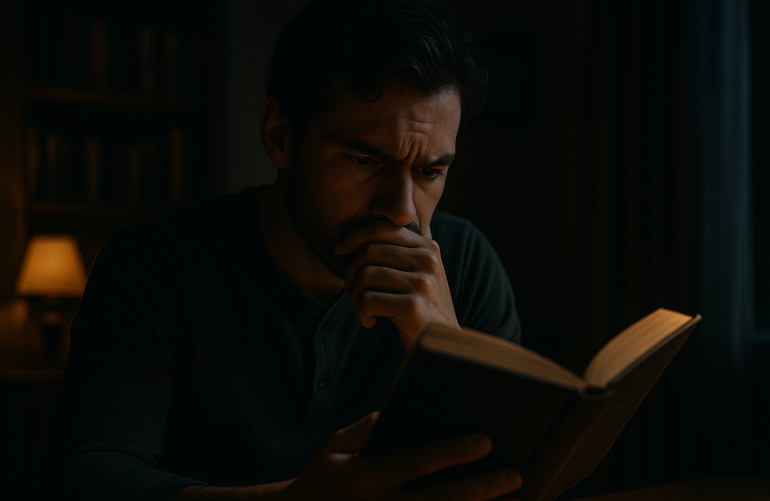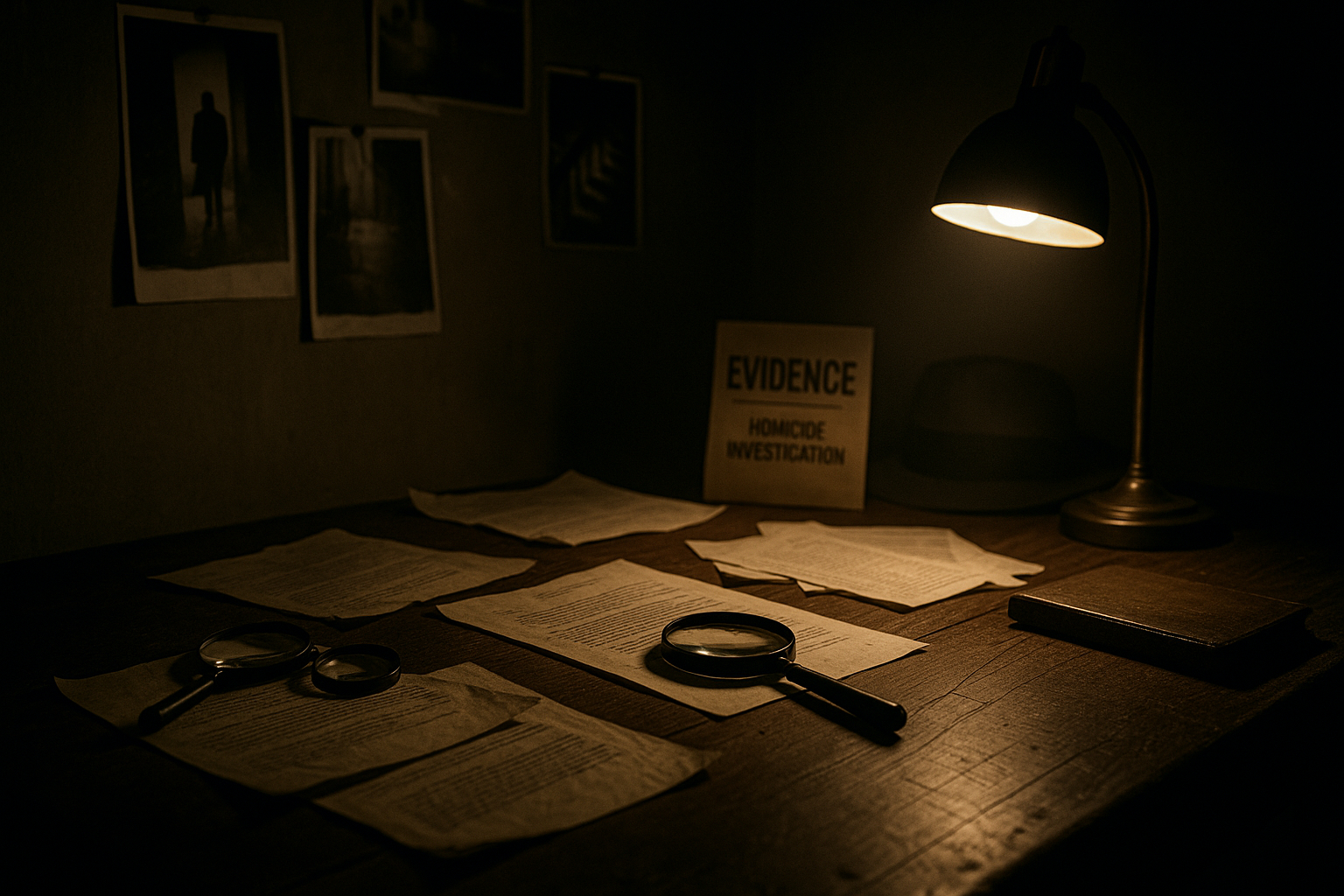
Real-life crimes have long been a source of gripping inspiration for storytellers. The tension, mystery, and psychological depth behind true criminal cases offer writers a foundation rich with emotion and complexity. These stories tap into human curiosity — the need to understand motives, unravel mysteries, and explore the blurred lines between justice and wrongdoing. When transformed into fiction, real-life events become compelling narratives that feel both authentic and unforgettable.
Writers often study true cases not to recreate them exactly, but to capture the emotional truth and dramatic intensity they hold. Real crimes reveal raw human behavior, making them perfect material for layered, suspenseful fiction.
Authenticity That Hooks Readers
Fiction inspired by real crimes feels grounded. Readers sense the realism in the characters’ decisions, the investigative details, and the emotional fallout. This authenticity creates stronger immersion, making the story more relatable even when the events are fictionalized. It also helps writers build plots that reflect the unpredictability of real life.
Exploring the Psychology Behind Crime
True cases offer insights into motives, fears, and fractured relationships. Writers use these elements to build complex characters — from conflicted detectives to morally ambiguous suspects. Understanding criminal psychology helps create villains that feel real and heroes who must confront their own limits.
Turning Fact Into Suspense
Real-life crimes often involve twists, coincidences, and unexplained details — all perfect ingredients for tension. Writers can reshape timelines, alter events, or expand mysteries to heighten drama. The result is a story that surprises readers while still feeling plausible. This blend of fact and creativity is what makes crime fiction so addictive.
Reframing Events Through New Perspectives
Fiction allows storytellers to ask “what if?” Writers may examine how a crime affects a community, or tell the story from the viewpoint of a witness, investigator, or even someone overlooked in the real case. This perspective shift brings fresh emotional depth and meaning.
Conclusion
Real-life crimes inspire great fiction because they combine authentic human behavior with limitless creative potential. By weaving truth with imagination, writers craft stories that are suspenseful, meaningful, and unforgettable. Each narrative becomes a powerful exploration of justice, morality, and the mysteries of human nature.