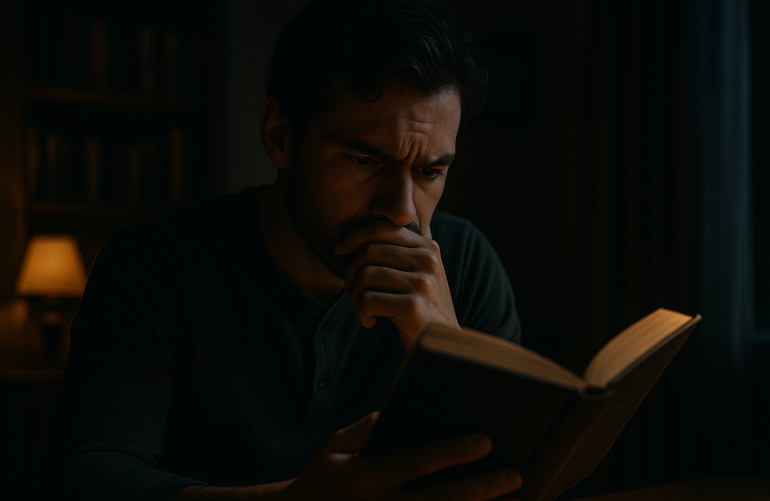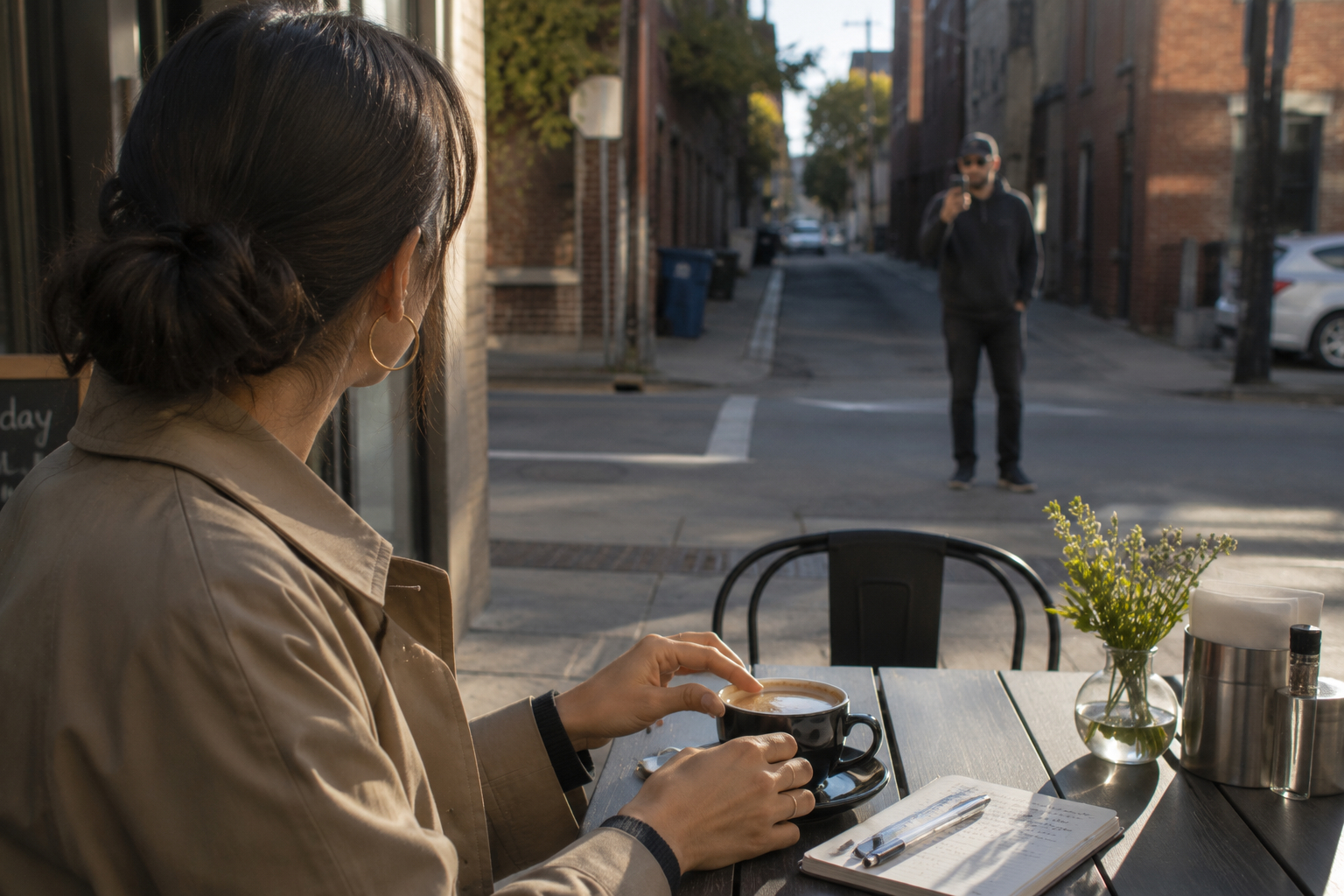
Thrillers live in moments where little things tilt a scene from ordinary to dangerous. Small behaviors — a hesitation, a practiced smile, a habitual route — can accumulate until they reshape perception and stakes. When a character’s tiny decision alters another person’s expectation, narrative consequences ripple outward. This piece explains how writers can spot, deploy, and escalate micro-actions so suspense grows naturally and convincingly.
Spotting Useful Micro-Actions
Begin by cataloging the routines and ticks that make characters believable: the way they check a door, polish an object, or answer a question. The most useful micro-actions are ordinary on their own but suggest interior intent when repeated or observed by others. Consider how a gesture can be misconstrued, recorded, or remembered and later used against its owner. Choosing actions with multiple plausible readings gives you options for later escalation and reader surprise.
Anchor these behaviors in sensory detail so they register without overt explanation. When readers notice something early, the later payoff feels earned rather than manufactured.
Techniques to Escalate Threat
Escalation works best when it is incremental and causal: each micro-action needs to lead credibly to the next complication. Use repetition to transform a habit from background color into a red flag, and time revelations so that small inconsistencies accumulate. Contrast a mundane behavior with an unexpected outcome to make the threat feel sudden yet inevitable. Keep track of cause-and-effect chains so that readers can trace the escalation without feeling cheated.
- Repeat a gesture until it draws a witness—then change its meaning.
- Let a minor omission become a clue in a later confrontation.
- Use a routine detour to put a character in harm’s way at the right moment.
These steps keep escalation logical and rewarding, and they let tension ride on believable human detail rather than contrivance.
Using Subtext and Rhythm
Micro-actions gain weight when paired with subtext: what a character does while not saying something exposes motives and fear. Vary pacing around these beats to make small acts feel ominous — a slow increasing cadence signals accumulation, while abrupt silence after a frequent motion highlights its absence. Dialogue can hide meaning while gestures reveal it, creating layers readers will decode. Use the rhythm of actions and reactions to choreograph suspense across scenes.
By treating micro-actions as both signal and trigger, you control reader attention and build a cohesive, rising threat.
Conclusion
Small behaviors are powerful tools for building believable, escalating danger in thrillers. When planted early and used with clear causal links, they turn everyday choices into turning points. Thoughtful use of repetition, contrast, and rhythm ensures suspense that feels earned and persistent.